I remember the first time I handed off a PCB project without thinking hard enough about the assembly process. The board came back looking fine. Then we started testing. Footprint mismatch on a critical power IC. Wrong polarity on an electrolytic cap. Two components missing entirely. Three weeks of schedule gone. The factory had done exactly what we asked them to do. The problem was what we asked for.
That experience taught me something most engineering programs never cover. The assembly model you choose matters as much as the circuit design itself. And turnkey PCB assembly is one of those decisions that gets made too casually, too often.
What Turnkey PCB Assembly Actually Means
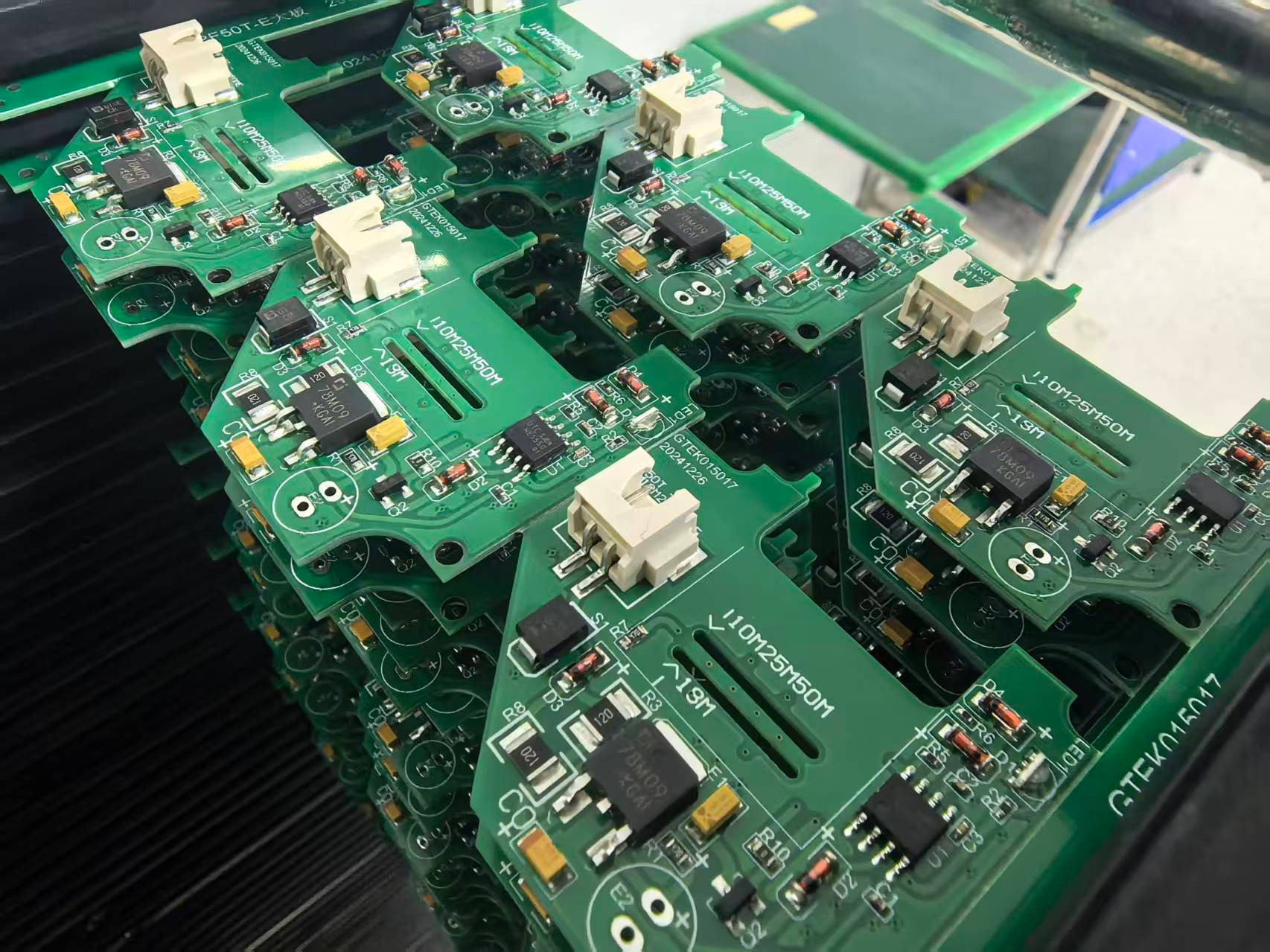
The word turnkey gets used loosely in manufacturing. In PCB assembly it has a specific meaning. You hand the project over. The assembly partner handles everything. PCB fabrication. Component sourcing. Paste stenciling. SMT placement. Reflow. Through-hole insertion if needed. Inspection. Testing if agreed. You get finished boards.
The alternative is partial assembly, sometimes called consignment. You supply the bare boards. You supply the components. The assembler just places and solders. You manage the supply chain yourself.
A third option sits in between. Partial turnkey. You supply certain critical components. The assembler sources the rest. Useful when you have approved vendor lists or carry strategic inventory.
Understanding which model fits your project is not about cost alone. It is about risk, timeline, and how much bandwidth your team actually has.
The Hidden Cost of Managing Your Own Supply Chain
Engineers who choose consignment assembly often underestimate the operational burden. Sourcing dozens of line items. Negotiating with distributors. Tracking lead times. Managing partial shipments. Kitting everything correctly before it leaves your facility. One wrong count, one substituted part number, one missing reel and the assembly run stops.
I have seen prototype builds delayed two weeks because a decoupling cap was kitted in the wrong value. Looked identical on the reel. Wrong capacitance. The assembler stopped correctly. We had to re-source and re-ship. Two weeks gone for a ten cent part.
Turnkey shifts that burden to the assembly partner. A good turnkey house has distributor relationships, approved vendor lists, and procurement staff who do this every day. They catch discontinued parts early. They know which substitutes are electrically equivalent. They have seen the same BOM problems hundreds of times.
For teams without dedicated operations staff this difference is enormous. Engineering time spent chasing resistor stock is engineering time not spent on the next revision.
Where Turnkey Assembly Pays for Itself
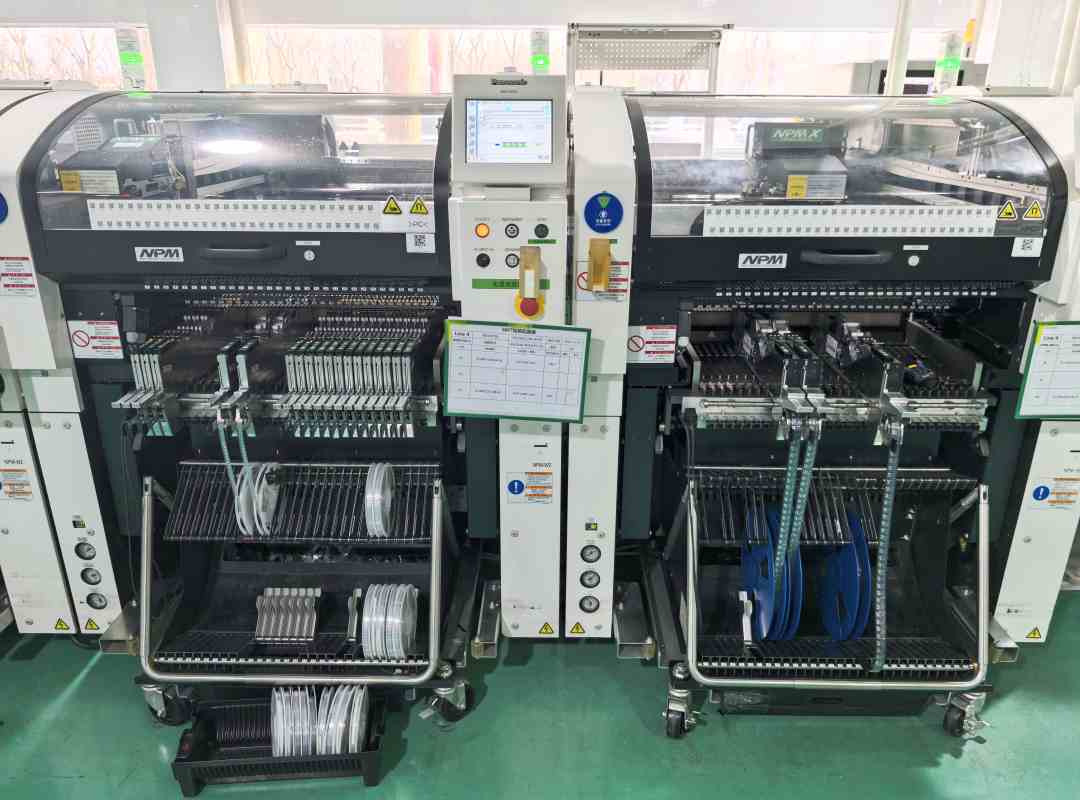
Turnkey makes the most sense in specific situations. Recognizing them saves money and headaches.
Prototype and NPI runs. When you are building ten to fifty boards to validate a design, the last thing you want is to spend a week managing parts. Turnkey lets engineers stay focused on design verification while the factory handles logistics.
Complex BOMs. The more line items on your BOM, the more things can go wrong in consignment kitting. Boards with two hundred plus components are genuinely risky to kit manually. Turnkey partners have automated BOM management and incoming inspection to catch errors before boards go to the line.
Time-sensitive programs. When the schedule is tight and there is no margin for supply chain delays, a turnkey partner with inventory access and distributor relationships is a risk mitigation tool as much as a manufacturing service.
Teams without procurement resources. Startups. University spinouts. Hardware teams inside software companies. These groups rarely have people who specialize in electronics procurement. Turnkey lets them punch above their weight.
International sourcing complexity. If your components span multiple regions and you are managing cross-border logistics, consolidating that with an experienced turnkey pcb assembly service reduces customs friction and simplifies your supply chain significantly.
Quality Control Is Where Turnkey Partners Earn Their Keep
Assembly quality is not just about placement accuracy. It starts before the first board hits the line. Incoming inspection matters enormously. A professional turnkey house checks component authenticity, verifies date codes, confirms package markings against the BOM, and rejects suspicious stock before it causes field failures.
This is not theoretical. Counterfeit components are a real problem in the electronics supply chain. ICs remarked with higher speed grades. Capacitors with inflated voltage ratings. Resistors with wrong tolerances. In a consignment model you carry this risk. In a full turnkey model the assembly partner shares it.
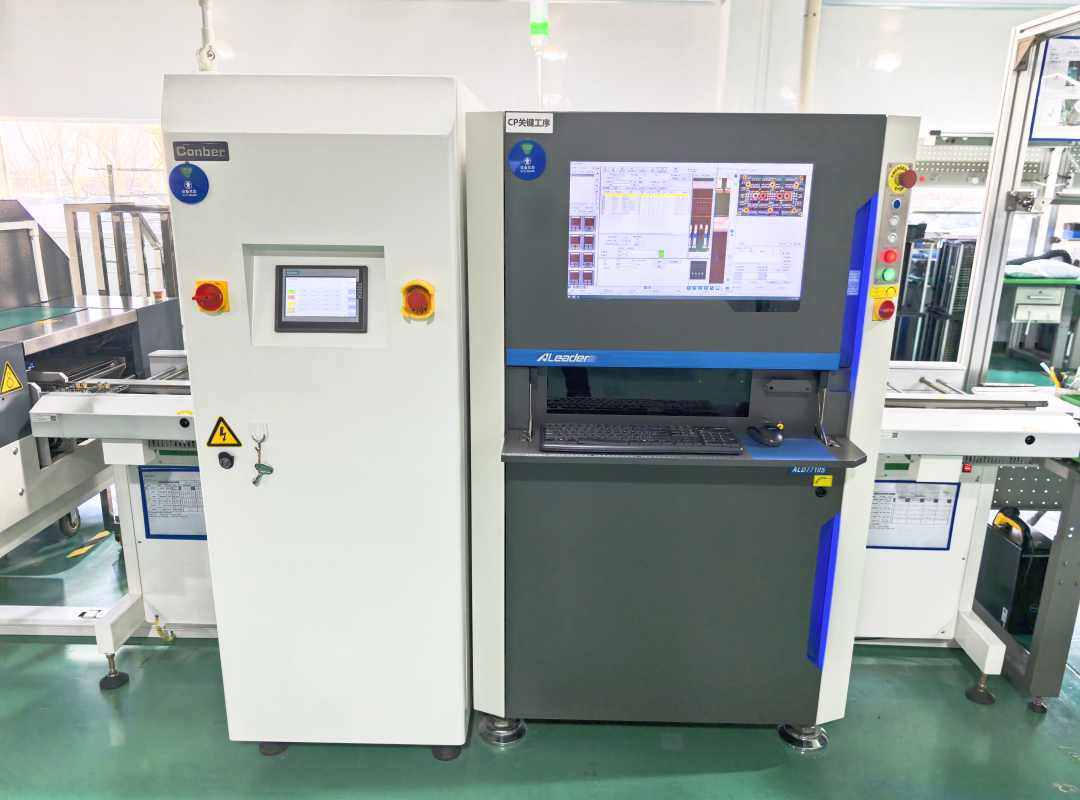
Automated optical inspection catches placement errors, solder bridges, and missing components after reflow. X-ray inspection checks BGA solder joints that visual inspection cannot see. In-circuit testing validates electrical performance before boards leave the factory.
Each of these steps is standard practice at a serious turnkey house. In a consignment model, the assembler often performs only the services you explicitly request and pay for. The accountability boundary is clearer but the coverage can be narrower.
The Comparison That Actually Matters
Here is how the two models stack up where engineers feel it most.
Parameter | Consignment Assembly | Turnkey Assembly |
Component sourcing | Engineer managed | Partner managed |
BOM risk | High | Low |
Lead time control | Variable | More predictable |
Counterfeit risk | Engineer carries it | Shared with partner |
Setup complexity | High | Low |
Unit cost | Lower per unit | Slightly higher |
Best for | High volume, stable BOM | NPI, complex BOM, fast timeline |
The unit cost difference is real but rarely as large as engineers expect. When you factor in the time cost of managing a consignment supply chain, turnkey often wins on total program cost.
What to Look for in a Turnkey Partner
Not all turnkey services are equal. The label covers a wide range of actual capabilities.
Component sourcing transparency matters. A trustworthy partner tells you where parts come from. They maintain approved vendor lists and share them on request. They flag when they need to use alternative sources and get your approval before substituting.
DFM review is a sign of a serious partner. Before the run starts, they should flag footprint issues, courtyard violations, assembly-unfriendly component spacing, and anything that will cause problems on the line. Catching a pad issue in DFM review costs nothing. Catching it after a failed run costs time and money.
Communication during the run matters more than it sounds. You want a partner who tells you when something unexpected comes up. Part shortage. Solder paste viscosity issue. A question about a component orientation. Silence during a run is rarely good news.
Inspection documentation should be standard. AOI reports, X-ray images for BGA work, IQC records. If a board fails in the field six months later, this documentation is how you trace root cause.
Making the Call for Your Next Project
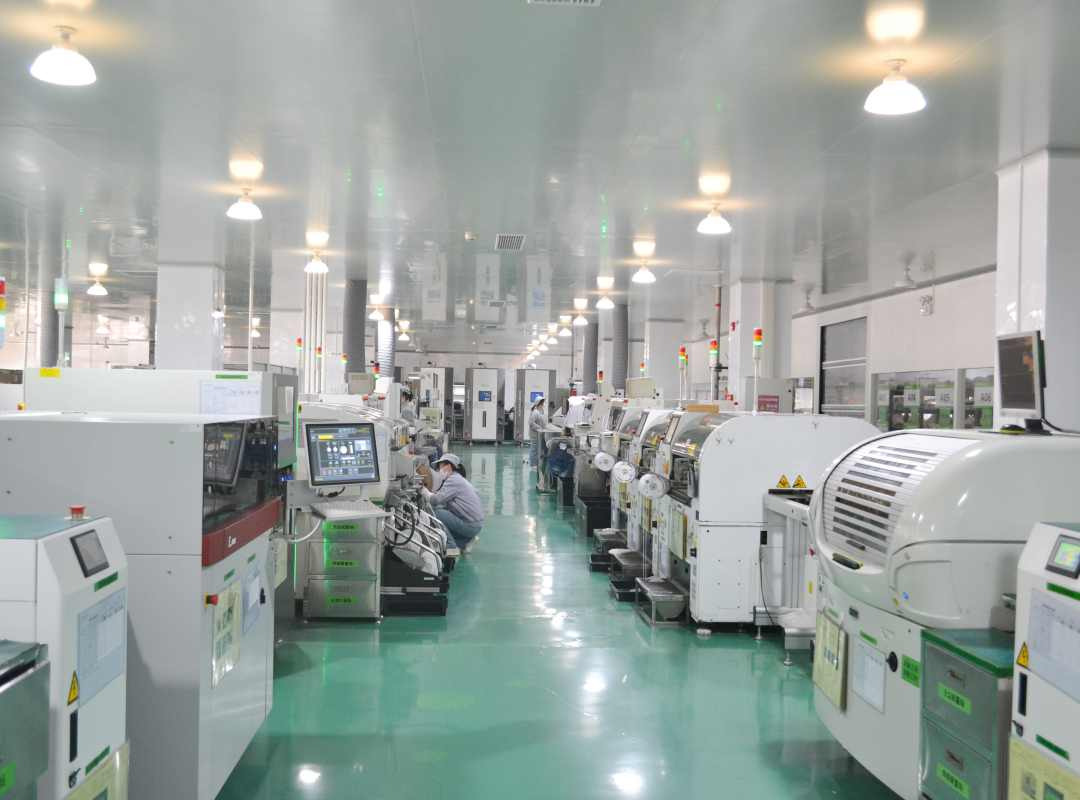
The decision between turnkey and consignment comes down to a few honest questions. How much time does your team actually have to manage parts? How complex is your BOM? How tight is your schedule? How risk-tolerant are you on component authenticity?
For most prototype and NPI work, turnkey wins on almost every dimension except theoretical per-unit cost. For stable, high-volume production with a mature BOM and dedicated operations staff, consignment gives you more control and lower direct cost.
The mistake is treating it as a binary forever decision. Many successful hardware programs start turnkey during development and transition to partial or full consignment as volume scales and the BOM stabilizes.
Start with a partner who can support both models. That flexibility is worth more than it looks early in a program.