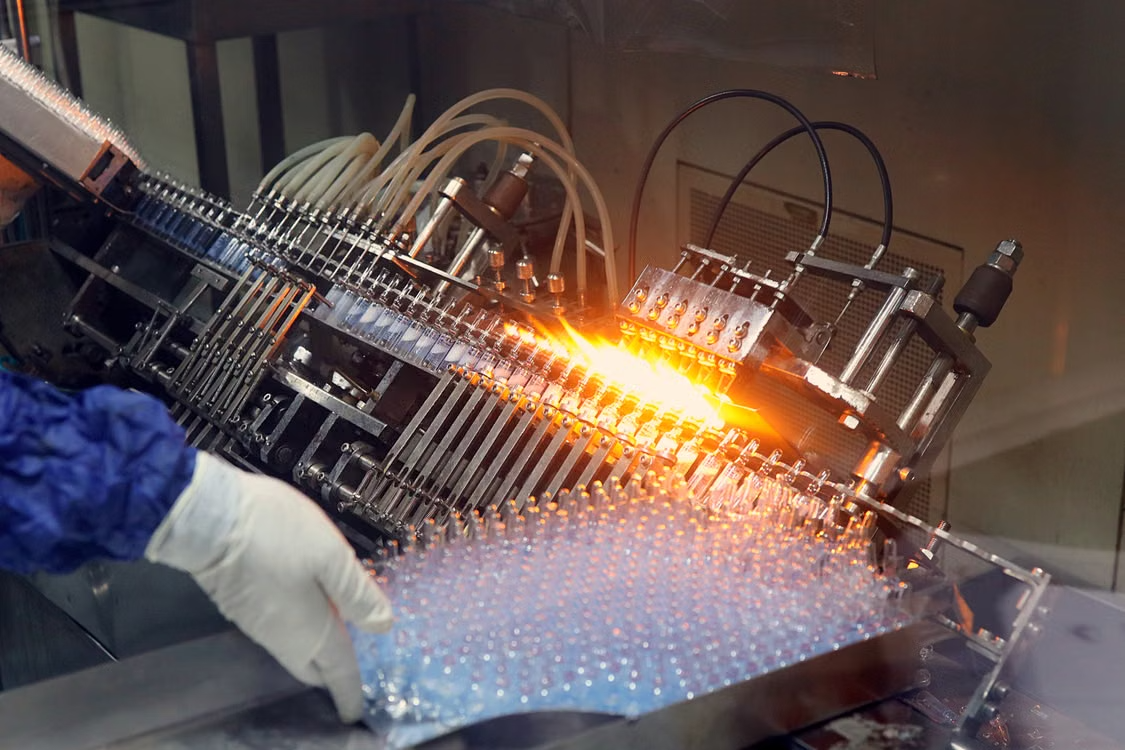
Photo by Elements Interactive on Pexels
Biometric engineering combines engineering concepts with medical science to create effective solutions for complex healthcare issues. Through the use of quantitative techniques on biological systems, engineers improve patient care quality and tackle the increasing global challenge of chronic diseases via tangible technological advancements. This article explores five important ways in which biomedical engineering is causing notable advancements in healthcare.
Medical Imaging and Diagnostic Technologies
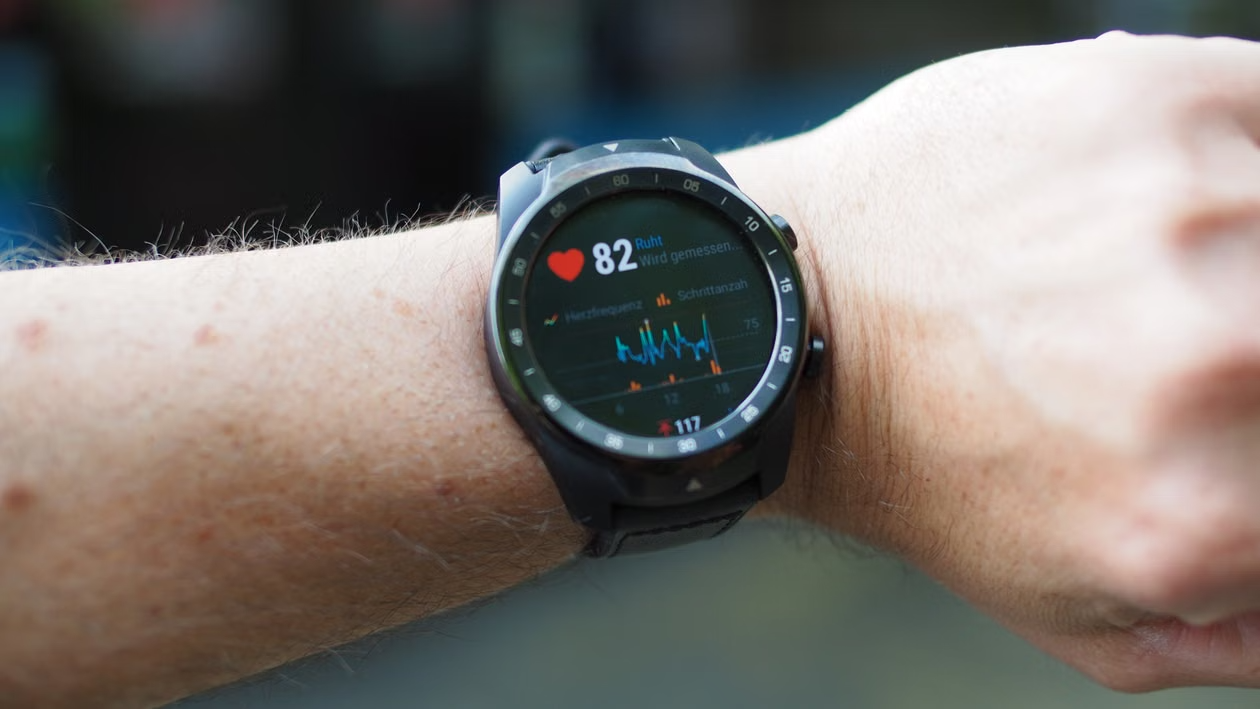
Photo by Jens on Pexels
Medical imaging is an area that produces visual images of tissues and organs. Instruments like X-rays, CT scans, MRIs, and PET scans provide highly detailed pictures of tissues, physiological functioning, and cellular activity of the body. These technologies make it possible to detect conditions such as cancer and cardiovascular diseases. The increasing incidences of chronic diseases, as well as aging populations, continue to necessitate adaptable diagnostics.
The integration of artificial intelligence with imaging systems represents a major step forward. AI algorithms can analyze medical images 240X faster than human radiologists. They segment and classify structures with precision that matches or exceeds that of human radiologists.
Novel techniques like photoacoustic imaging use optical and ultrasonic properties. They provide high-resolution and noninvasive visualization of tumors and blood vessels. This opens new possibilities for imaging beyond conventional imaging methods.
Wearable Medical Devices and Remote Monitoring
From fitness monitoring to clinical monitoring, wearable technology has come a long way. Devices offer instant data on heart rate alongside glucose and cardiac rhythms, along with blood oxygen, allowing chronic diseases to be managed through ongoing monitoring, whilst also cutting down on hospital visits. The following table outlines some common wearable devices and their uses.
| Header 1 | ||
|---|---|---|
| Device Type | Parameters Monitored | Applications |
| Smartwatches | Heart rate, ECG, oxygen, sleep | Health tracking, cardiac monitoring |
| Glucose Monitoring | Interstitial glucose | Diabetes management, insulin guidance |
| Blood Pressure Monitors | Systolic/diastolic pressure | Hypertension, cardiovascular risk |
| Pulse Oximeters | Oxygen saturation, pulse | Respiratory monitoring, sleep apnea |
| Wearable Patches | Lactace, glucose, electrolytes | Sports performance, hydration |
| Smart Contact Lenses | Tear glucose | Noninvasive diabetes monitoring |
| Header 1 | ||
Remote monitoring is especially useful for elderly patients and those in rural or underserved areas. Continuous data streams enable clinicians to intervene quickly. This lowers rates of readmissions and boosts adherence to medication. Precise monitoring in high-stakes contexts helps to intervene early to prevent negative outcomes.
A wearable biosensor is a computing system that incorporates physiology. Biomarkers such as glucose, lactate, and sodium in sweat or interstitial fluid are detected via electrochemical and optical sensors. The components of flexible MEMS devices are piezoresistive and capacitive. Wearable monitoring is emerging as a standard aspect of healthcare provision, with advances in sensor technology and decreasing costs, providing affordable, ongoing supervision beyond clinical environments.
Drug Delivery Systems
Conventional organ and injectable medications frequently impact healthy tissues and are rapidly excreted. Modern systems enhance effectiveness and decrease side effects by facilitating precise delivery and regulated release. Methods like hydrogel matrices and implantable pumps control dosing over time, improving compliance. Key innovations include:
- Drugs are enclosed in a liposomal formulation for targeted release.
- Tissue targeting and solubility are enhanced by polymer nanoparticles.
- Vaccines can be administered without pain through microneedle patches.
- Stimuli-responsive systems release drugs in response to pH, alongside temperature or enzyme activity.
- Nanoparticles conjugate direct chemotherapy to tumors.
- Robotic pills inject biologics directly into the intestinal wall.
Nanotechnology has expanded clinical applications. Nanoparticle formulations approved by the FDA are already applied in the treatment of ovarian, along with breast and pancreatic cancers. Specialized nanocarriers cross the blood-brain barrier, facilitating nose-to-brain delivery for neurological conditions like Alzheimer’s.
Smart drug delivery systems enhance accuracy by reacting to biological signals. These include pH changes between healthy and malignant tissue, changes in temperature at the tumor site, or enzyme activity at the inflamed site. These methods are a step towards personalized medicine, adjusting the treatment to patient psychology while minimizing systemic toxicity.
Tissue Engineering and Regenerative Medicine
Tissue engineering makes use of scaffolds, cells, and signaling molecules for tissue repair and tissue regeneration. Researchers have been able to engineer skin along with cartilage and bone alongside blood vessels thanks to biomaterials and 3D bioprinting technologies.
Now, even 4D materials that adapt to their environment through changes in shape and stiffness are being researched for more lifelike behavior. The engineering procedure progresses through multiple phases:
- Designing biocompatible scaffolds for structural support and tissue growth.
- Sourcing and expanding stem or specialized cells to populate the matrix.
- Culturing tissues in bioreactors to encourage proper cellular development.
- Delivering growth factors to guide cellular activity and organization.
- Implanting constructs whilst promoting vascularization for a steady nutrient supply.
Natural polymers, like silk fibroin, chitosan, and alginate, are modified to facilitate adhesion and controlled degradation. The hydrogels and biodegradable polymers have more applications in the dermatological and bone regeneration fields. The addition of silver nanoparticles to the 3D printed scaffolds promotes tissue growth along with antimicrobial effects against pathogens, such as Pseudomonas aeruginosa.
The induced pluripotent stem cells are useful for the repair of the spinal cord, treatment after myocardial infarction, and also macular degeneration. Clinical applications are coming up in neurological and cardiovascular disorders, facilitated by bioprinting methods that create tailored grafts and vascularized tissues.
Regenerative technologies are applicable to improving outcomes in complicated deliveries in maternal-fetal medicine. For families affected by complications during labor and delivery, resources like https://www.childbirthinjuries.com/ provide important information for those seeking accountability and support.
Robotics and Automation in Healthcare
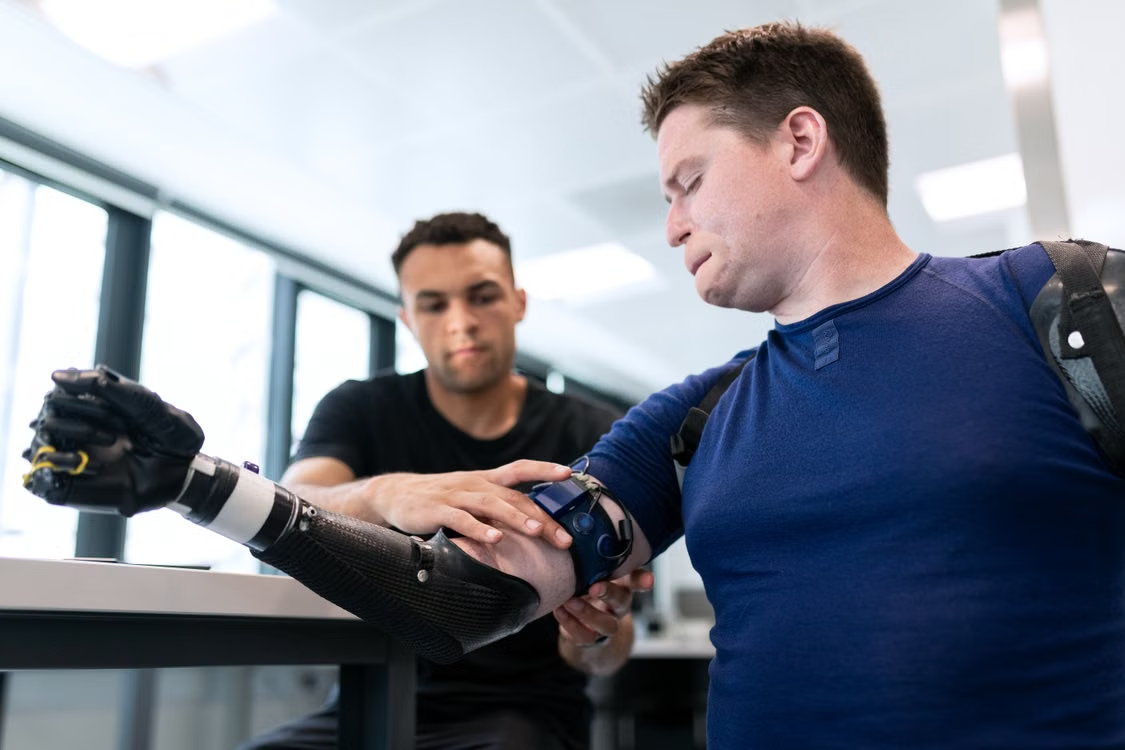
Photo by ThisIsEngineering on Pexels
Robotic systems are increasingly prevalent in surgical interventions. They are capable of greater precision than humans in certain surgeries. The da Vinci system enables minimally invasive procedures through small incisions.
Blood loss is reduced, and recovery is shortened, whilst the risk of complications is lowered. Models with haptic feedback offer tactile feedback, helping the surgeon with delicate movements. Autonomous devices incorporate diagnostic capabilities to analyze tissue during the procedure.
There are many applications for robotics outside of surgery, in patient care and rehabilitation. Exoskeletons help people with spinal cord injuries regain mobility. Robotic limbs work with the patient’s nervous system to achieve movement.
There are rehabilitation robots that help with physical therapy and gait training, especially for stroke patients. Telepresence robots bring specialist knowledge to underprivileged areas via remote patient interaction. There are even automated systems that dispense medications and perform laboratory analysis.
High acquisition and training costs remain a hurdle. But biomedical robotics is expanding access to advanced surgery and improving rehabilitation. It is boosting efficiency within healthcare systems.
Endnote
Biomedical engineering is advancing modern healthcare via imaging, monitoring, medical administration, tissue repair, and robotics. These innovations facilitate earlier diagnosis and improved treatment. Unlocking their complete potential requires strict regulatory structures and a strong dedication to fair global accessibility.