


Role of PCB in Modern Life


Role of PCB in Modern Life
- Before the development of the printed circuit board, the circuit was wired point to point on chassis. The chases were a sheet of metal frame or pan. The circuit on chassis was large, bulky, heavy and relatively fragile. Its production was labor-intensive, that way projects were expensive at that time.
- With the passage of time, as technology improves Austrian engineer Paul Eisler invented the printed circuit as part of radio set while working in the UK around 1936.In 1941 multilayer printed circuit used in German magnetic influence naval mines. In 1943 the USA began to use the technology on a large scale to make proximity fuses for use in World War II. After World War II PCB was available for normal life use in different products.
- After PCB brief history now we discuss modern PCB.
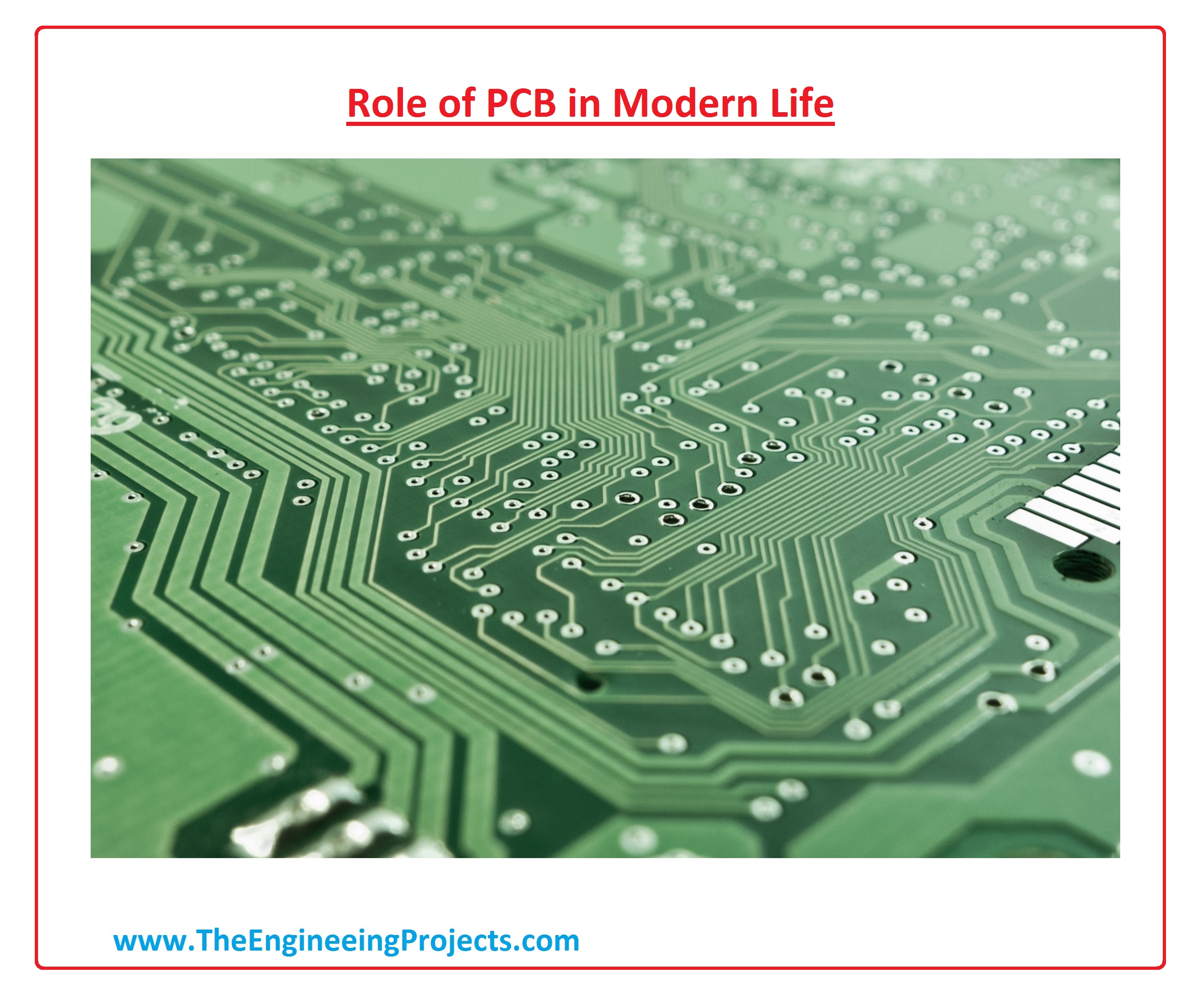
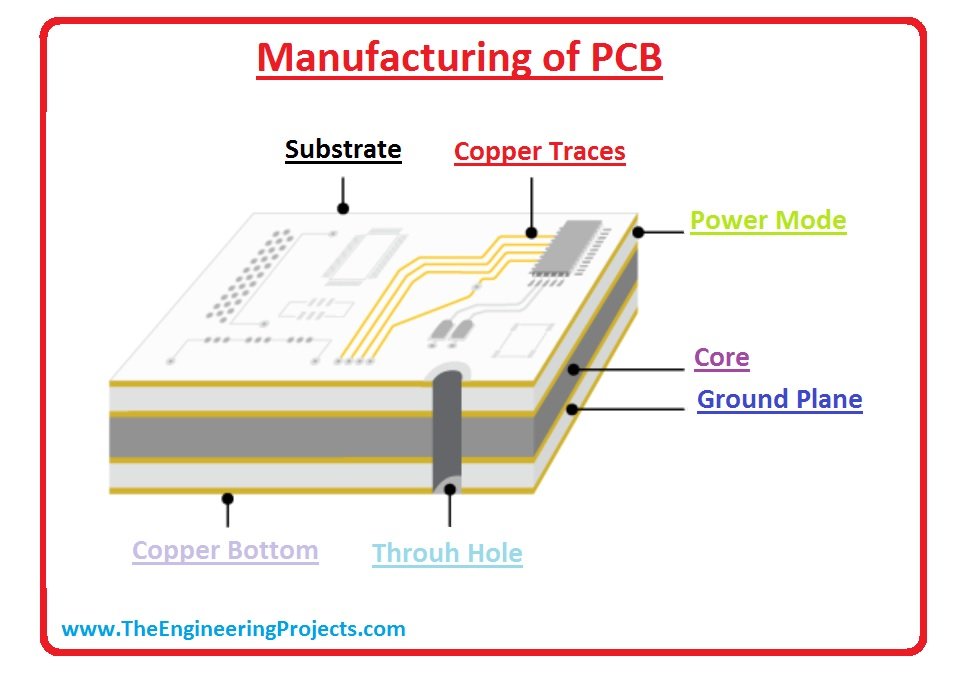
- A modern PCB consist of a flat sheet of insulating material and a layer of copper foil. Chemical etching divides the copper into separate conducting lines called tracks or pads for connections. The tracks function as wires fixed in place, and are insulated from each other by air.
- A surface of a PCB may have a coating that protects the copper from corrosion and reduces the chances of solder shorts between traces or undesired electrical contact with stray bare wires.
- Printed circuit board have multiple copper layer. Two-layer board has copper on both sides, multilayer boards sandwich additional copper layers between layers of insulating material.
- Pattern to be etched into each copper layer of a PCB is called the "artwork". PCB design can be mass-reproduced in a way similar to the way photographs can be mass-duplicated from film negatives using a photographic printer.
- When a PCB has no components installed, it is less ambiguously called a printed wiring board (PWB). A PCB populated with electronic components is called a printed circuit assembly (PCA).
Manufacturing of PCB

- Schematic for the Circuit
- Use of EDA Software
- PCB Printing
- Test of PCB for Functionality
Role of PCB in Medical Science
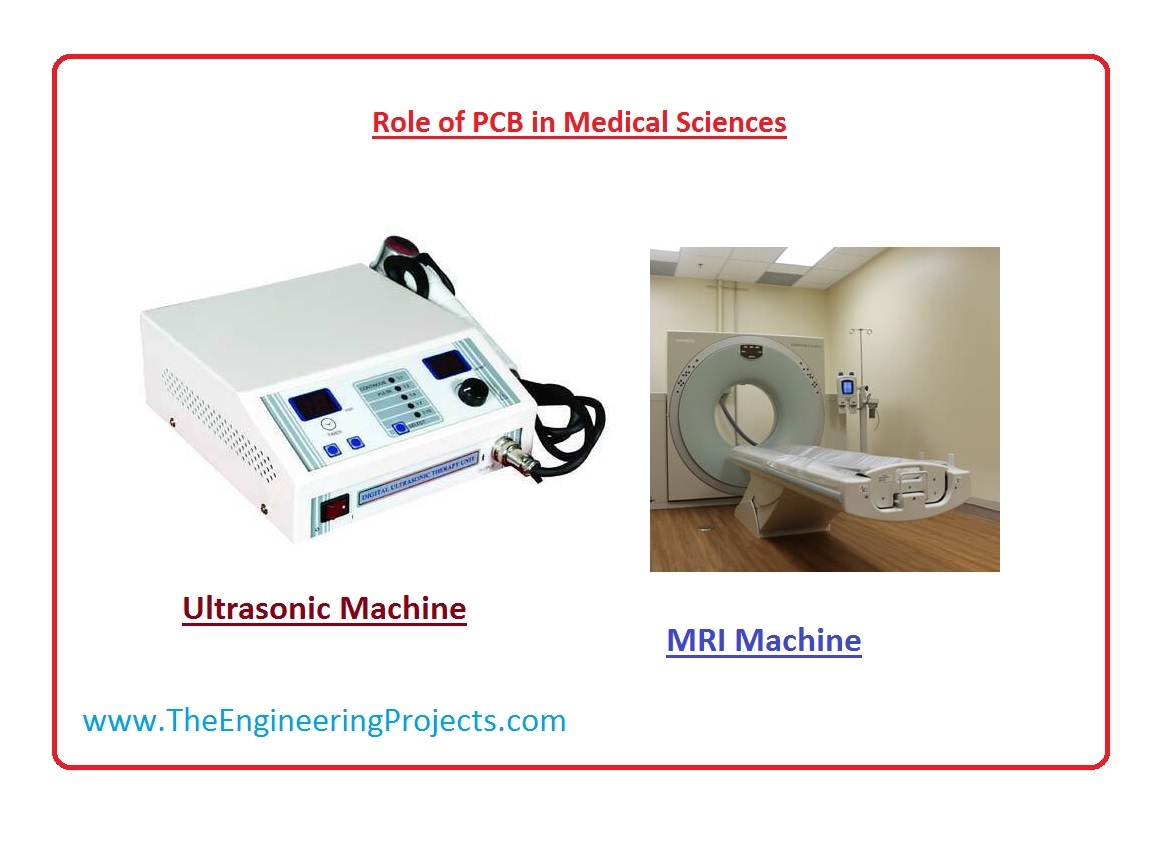
It will be interesting for you that PCB is not only playing a role in Electrical and Electronics industries, but it also plays an important role in Medical Science. Lets discuss its important role in Medical life.- The range of printed circuit boards applications in the medical field is vast and ever-growing. You can find medical printed circuit board in everything from pacemakers, defibrillators and heart monitors in the case of cardiovascular medical specification PCBs, to medical imaging systems, CT scans, MRI, ultrasonic equipment and more.
- You will also find PCBs for a medical device like blood glucose monitors, temperature monitor and electrical muscles stimulation equipment.
- Professionals of Medical Industry will often select flex or rigid-flex PCBs for their important medical devices. This is because medical devices often do not conform to typical standards of PCB size, shape and medical device professionals will want to make sure their printed circuit boards can fit into as small of an area as possible while still remaining resistant to damage.
Applications of PCB
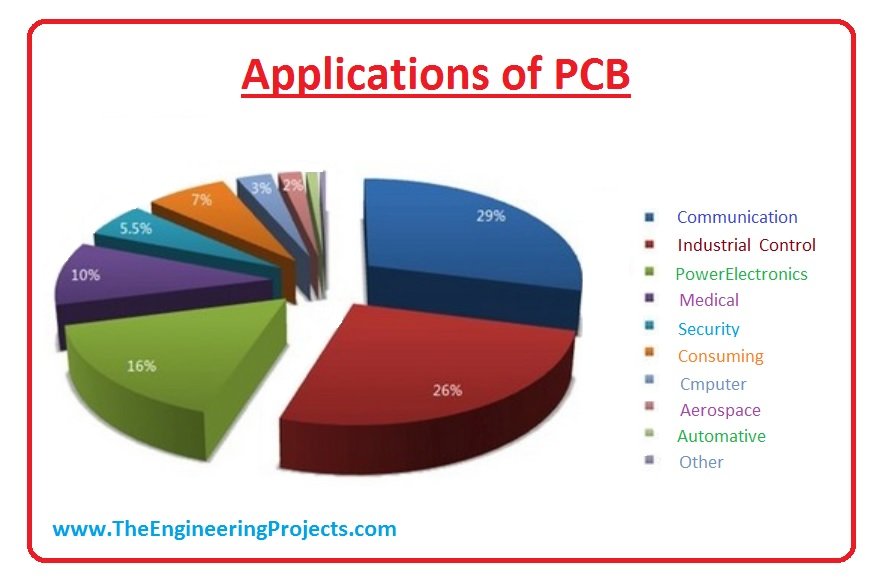
Now a days PCB has become most important in our modern life. It uses in almost each and every electrical and electronics component. These are some applications of PCB.- PCB based Aluminum used in different electronics devices such as computer and in cars indicators.
- It also used in consumer instruments such as mobile, smartphones and computers.
- PCB also used in medical industry equipment such as ultrasonic, machine, MRI etc.
- In industry, it has its applications in Dashboards, Engine Management Systems (EMS), power supplies, in car entertainment, fuel regulators, heater controls, and satellite navigation.

Explained role of PCB very well. PCB have many more advantages in other industries. It can save time and energy and can be reused. I have PCB for Laptops and Servers.
Comments
2