Hello pupils! Welcome to the next session of the neural network series. I hope you are doing good. In the previous part of this series, I showed the double deep Q networks and discussed their differences from the deep Q network to make things clear. Today, I am going to visit a very popular neural network with you. This is the spiking neural network that mimics the functionality of the biological neurons with the help of spikes. This is a different neural network than the traditional networks and you will see the details of each point.
In this lecture, we’ll understand the introduction of the spiking neural network. We’ll discuss all the basic terms that are used while studying the SNN. After that, we’ll move on to the steps of using SNN in detail. In the end, we’ll move towards the appl ...
Hello students, welcome to the second tutorial on deep learning in the first one, we have learned the simplest but basic introduction of deep learning to have a solid base about what we are actually going to do with deep learning. In the present lecture, we will take this to the advanced level and will learn the introduction with the intention of learning more and more about the introduction and understanding what we want to learn and how will we implement the concepts easily. So, here is a quick glance at the concepts that will be cleared today:
What do we mean by Deep learning?
What is the structure of calculation in neural networks?
How can you examine the Neural Networks?
What are some platforms of deep learning?
Why did we choose TensorFlow?
How can you work with TensorFlow?
...
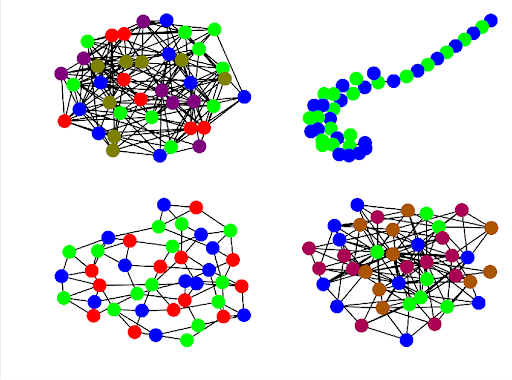
Hi readers! I hope you are doing great. We are learning about modern neural networks in deep learning, and in the previous lecture, we saw the capsule neural networks that work with the help of a group of neurons in the form of capsules. Today we will discuss the graph neural network in detail.
Graph neural networks are one of the most basic and trending networks, and a lot of research has been done on them. As a result, there are multiple types of GNNs, and the architecture of these networks is a little bit more complex than the other networks. We will start the discussion with the introduction of GNN.
Introduction to Graph Neural Networks
The work on graphical neural networks started in the 2000s when researchers explored graph-based semi-supervised learning in the neural network. The ...
Hello readers! Welcome to the next episode of the Deep Learning Algorithm. We are studying modern neural networks and today we will see the details of a reinforcement learning algorithm named Deep Q networks or, in short, DQN. This is one of the popular modern neural networks that combines deep learning and the principles of Q learning and provides complex control policies.Today, we are studying the basic introduction of deep Q Networks. For this, we have to understand the basic concepts that are reinforcement learning and Q learning. After that, we’ll understand how these two collectively are used in an effective neural network. In the end, we’ll discuss how DQN is extensively used in different fields of daily life. Let’s start with the basic concepts.
...
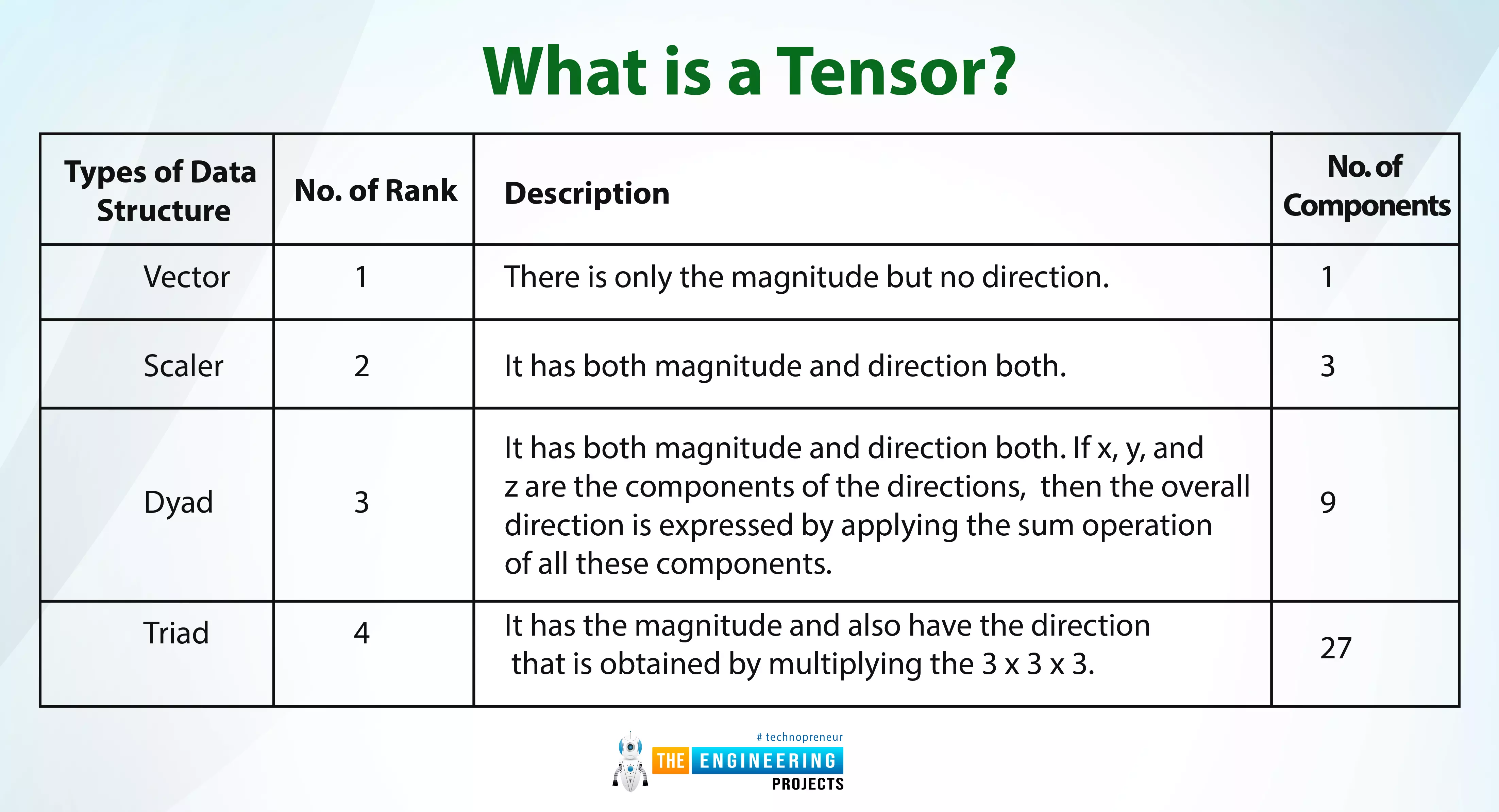
Hi pals! Welcome to the next deep learning tutorial, where we are at the exciting stage of TensorFlow. In the last tutorial, we just installed the TensorFlow library with the help of Anaconda, and we saw all the procedures step by step. We saw all the prerequisites and understood how you can follow the best procedure to download and install TensorFlow successfully without any trouble. If you have done all the steps, then you might be interested in knowing the basics of TensorFlow. No matter if you are a beginner or have knowledge about TensorFlow, this lecture will be equally beneficial for all of you because there is some important and interesting information that not all people know. So, have a look at the topics that will be discussed with you in just a bit.
What is a tensor?
What are ...
Hello pupils! Welcome to the next section of neural network training. We have been studying modern neural networks in detail, and today we are moving towards the next neural network, which is the Echo State Network (ESN). It is a type of recurrent neural network and is famous because of its simplicity and effectiveness.
In this tutorial, we’ll start learning with the basic introduction of echo state networks. After that, we’ll see the basic concepts that will help us to understand the work of these networks. Just after this, we’ll see the steps involved in setting the ESNs. In the end, we’ll see te fields where ESNs are extensively used. Let’s start with the first topic:
Introduction to Echo State Networks (ESNs)
The echo state networks ( ...
Hey learners! Welcome to the new tutorial on deep learning, where we are going deep into the learning of the best platform for deep learning, which is TensorFlow. Let me give you a reminder that we have studied the need for libraries of deep learning. There are several that work well when we want to work with amazing deep-learning procedures. In today’s lecture, you are going to know the exact reasons why we chose TensorFlow for our tutorial. Yet, first of all, it is better to present the list of topics that you will learn today:
Why do we use TensorFlow with deep learning?
What are some helpful features of this library?
How can you understand the mechanism of TensorFlow?
Show the light towards the architecture, and components of the TensorFlow.
In how many phases you can complete t ...
Hello friends, I hope you all are having fun. Today, we are bringing you one of the most advanced and trending courses named "Deep Learning". Today, I am sharing the first tutorial, so we will discuss the basic Introduction to Deep Learning, and in my upcoming lectures, we will explore complex concepts related to it. Deep Learning has an extensive range of applications and trends and is normally used in advanced research. So, no matter which field you belong to, you can easily understand all the details with simple reading and practicing. So without any further delay, let me show you the topics that we are going to cover today:What is deep learning?What are artificial intelligence and machine learning?Working with deep learning using neural networks.Trends in deep learning.Deep learning as ...
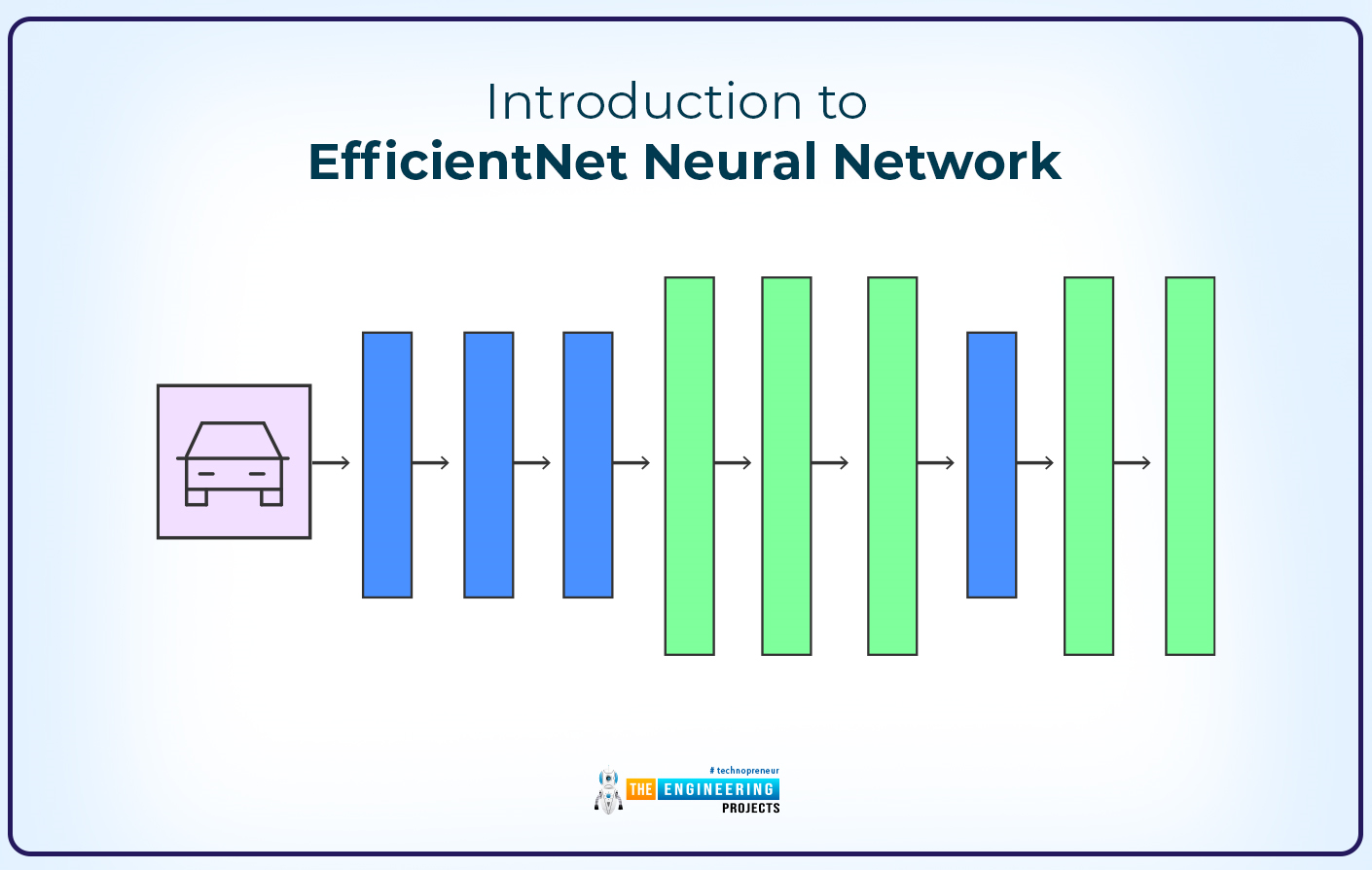
Hi learners! I hope you are having a good day. In the previous lecture, we saw Kohonen’s neural network, which is a modern type of neural network. We know that modern neural networks are playing a crucial role in maintaining the workings of multiple industries at a higher level. Today we are talking about another neural network named EfficientNet. It is not only a single neural network but a set of different networks that work alike and have the same principles but have their own specialized workings as well.
EfficentNet is providing groundbreaking innovations in the complex fields of deep learning and computer vision. It makes these fields more accessible and, therefore, enhances their range of practical applications. We will start with the introduction, and then we will share some usefu ...
Hi readers! I hope you’re having a great day and finding something thrilling. Imagine being able to solve a problem in seconds that would take the fastest supercomputers millennia, that is, quantum computing. Today, we will cover Quantum Computing.
Quantum computing is a relatively new technology that can present a new way of thinking about how information may be processed using the laws of quantum mechanics. Classical computing uses bits, which are either 0 or 1, while processing information, whereas quantum computing uses qubits and has the possibility of being a bunch of things at the same time by virtue known as the “superposition”. In addition to "superposition", qubits can be connected across space through a property known as "Entanglement", which allows quantum computers the potent ...