Hello friends, I hope you all are ding great. In today's tutorial, I am going to show you How to use Arithmetic Operators in Python. It's our fourth tutorial in Python series. Arithmetic operators are required in mathematical problem solving.
We will first have a look at the arithmetic operators and after that, we also discuss different builtin arithmetic functions in Python Math module. So, let's get started:
Arithmetic Operators in Python
Arithmetic operators ( +, -, *, /, ^ etc. ) are used to perform simple arithmetic operations in python.
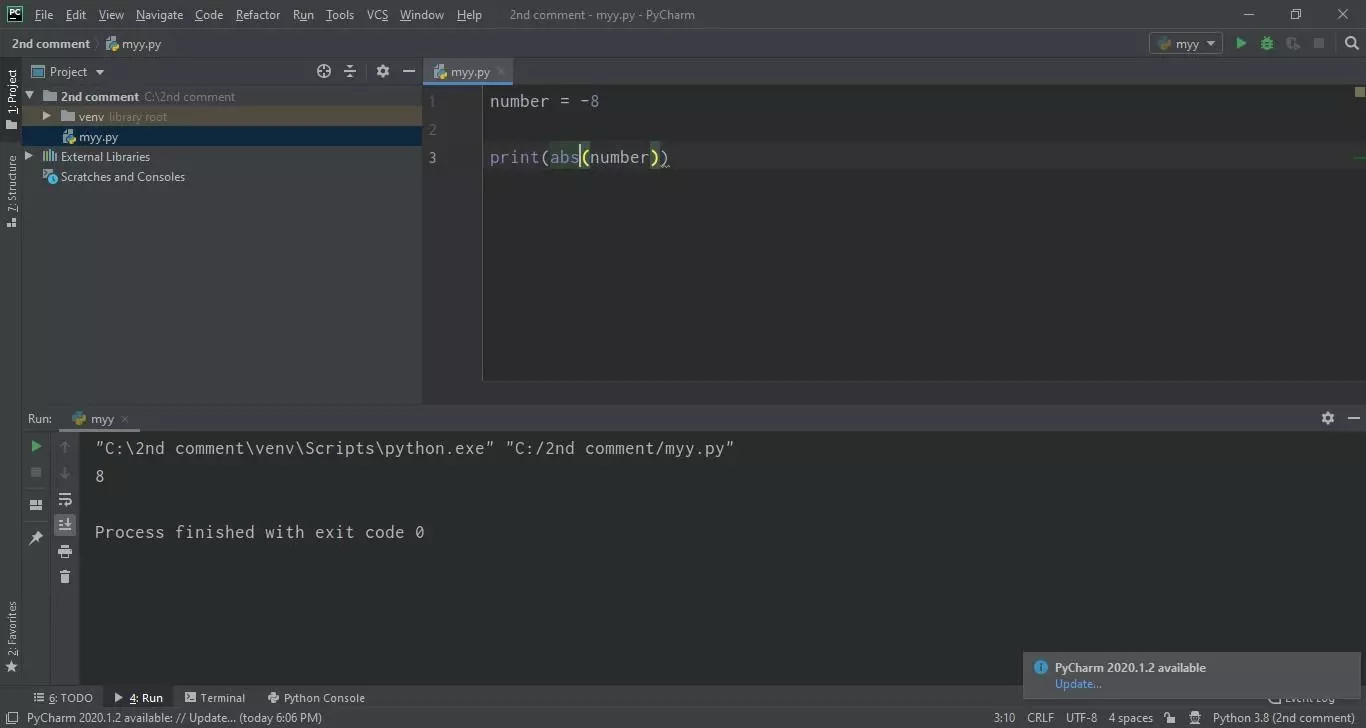
So, let's open up your PyCharm and perform a simple task using these operators, as shown in below figure:
I used a single star for multiplication and a doub ...
Hey, peep! This is a connected tutorial from the previous one where we saw the detail of numeric data types. This time, we are moving forward with the other data types in Python. We are understanding all these concepts with the help of examples and practising the little but understandable codes in TensorFlow. Different types of operations are also performed on these data types so that you may have an idea of why we are differentiating all these data types and how we can categorize all of them into different groups. Keep in mind that all of these concepts are for deep learning, and we want to make sure that we will not face any problems in the complex work of deep learning; therefore, we are moving slowly and steadily in Python. So, have a look at the content you are learning in this ...
Hello friends, I hope you all are doing great. In today's tutorial, I am going to show you How to use IF Else in Python. It's our 5th tutorial in python series. In our previous lectures, we have covered the detailed Introduction to Python and then we have also discussed Data Types in Python & How to use Strings in Python. So, now it's time to move on a little further.
In today's tutorial, we will cover If else statement in python and its not that difficult to understand but quite an essential one as its use a lot in programming projects. So, let's get started with How to use IF Else Statement in Python:
How to use IF Else Statement in Python
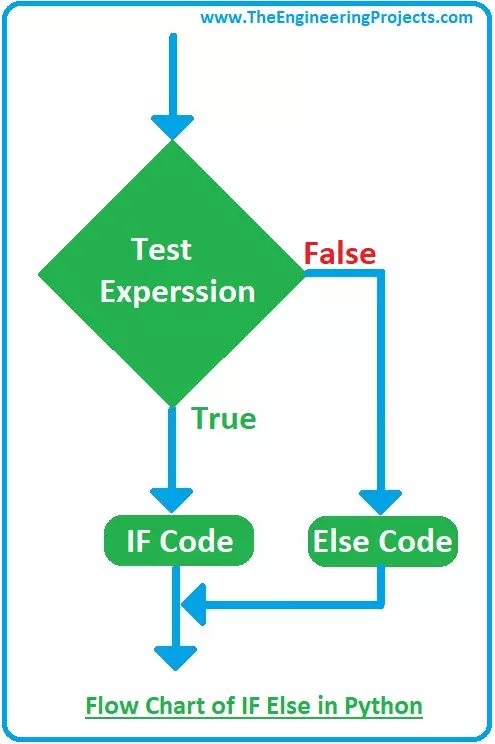
IF Else Statement in python takes a Boolean Test Expressio ...
Hey learners! Welcome to another deep learning tutorial, in which we are beginning the practical implementation of Python on the TensorFlow library. We installed and checked TensorFlow in detail while we were in the previous lecture, and today we are going to use it for our practice. We have checked the presence of a perfectly installed library of TensorFlow in our tutorials and seen the basic structure of this library. As a result, we will skip the details and jump right into learning Python. In this tutorial, the main focus will be on Python instead of learning the workings of TensorFlow. You have to remember one thing: all the discussion will be from the point of view of deep learning, and it is not a general tutorial in which you will learn to develop apps or have a discussion about th ...
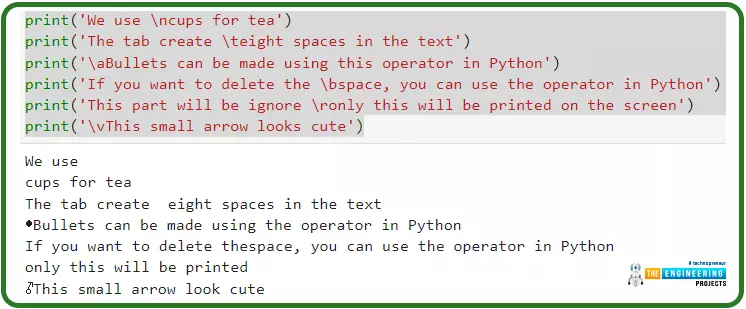
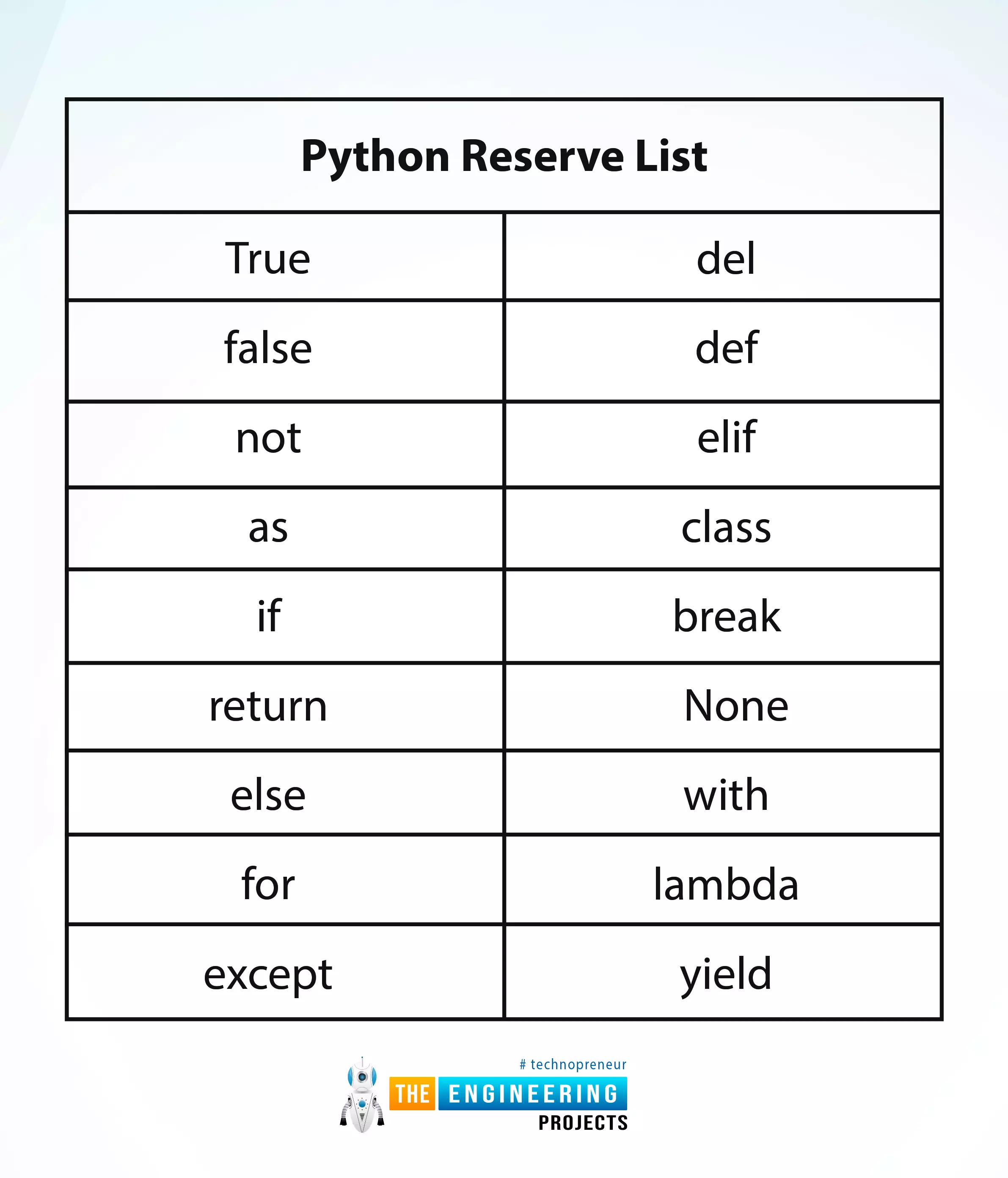
Hey peeps! Welcome to an exciting tutorial on Python in which you will learn about the Python reverse list. We are on a series of deep learning phases where Python is under our observation. In the last tutorial, we saw the variables in Python and practised many codes in the TensorFlow. Today, we are interested to practice many interesting methods in an easy way. These are the built-in functions and you do not have to be an expert in the programming to perform them in TensorFlow. All you need is to read this tutorial and have the TensorFlow working fine. Before going deep into the topic, it is important to have a look at the list of content that you will learn today:
How do you define the python reverse list?
Why we should know about the python reverse list or keywords?
How do you practi ...
Hey peeps! Are you excited to begin with the new chapter in Python? Till now, we have been learning the data types and their related concepts. Now, we are starting a new chapter where you will learn the details of Object Oriented Programming or OOP. We are moving towards the advanced level of programming in Python, and here, you will go through the complex but interesting concepts that will show us the fascinating results on the screen. This will be more clear when you will know the basic information about the OOP, but before going deep, we will go through the headlines of the lecture:
How do you classify the programming languages?
How do you introduce the OOP?
Why object-oriented programming is important in Python?
How do you define class and objects in OOP and how are they connected? ...
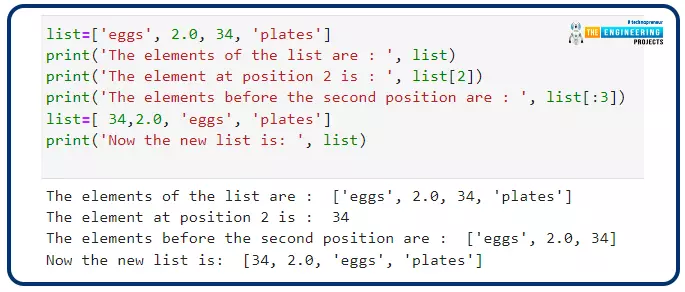
Hey fellow! Welcome to the next episode of the Python series, where we are learning the basics of Python to implement them in deep learning. In the previous lecture, our focus was on string data types. With the practical implementation of TensorFlow, many interesting points were discussed in depth. I hope you completed the home task that I assigned you during that lecture. Today, we are moving forward with the next data type, which is a sequence. You will know the different sub-groups of this data type as well in the next lecture, but today, the focus will be totally on the list because, once you understand them well, other data types of the sequence will be at your fingertips. Yet before starting, it's time to look at the content that you will learn today:
What is a sequence?
How do you ...
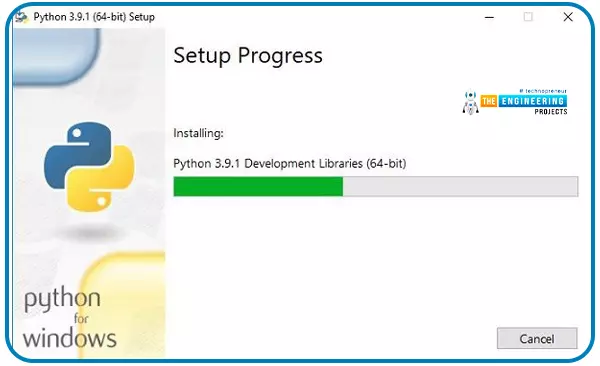
The first step to becoming a Python coder is to install or update Python on your computer. Python can be installed in a variety of ways, including through the official Python.org distribution, a software package manager, the IoT (Internet of Things) and scientific computing, just to name a few.
In this article, we'll be using official Python distributions, which are often the best option for beginners.
What will you learn from this?
How to check if you have the right Python release installed on your computer before proceeding.
Installation of Python3 on Windows pc and Linux machine.
How to use Python on the web with the help of online interpreters.
INSTALLING REQUIRED PYTHON ENVIRONMENTS
Installing the most recent versions of Python and ...
Hey peeps! Welcome to the Engineering Projects where you are learning the basics of Python in detail. We are working a lot with the arrays as these are important concepts in most of the high-level programming languages till now, the numeric data was used in the arrays but for our practice, we are moving towards the next step where the focus will be on the string data type. The practice is done on the Jupyter notebook and every step is going to be explained well without skipping any concepts but to keep things easy, we are not emphasising unnecessary details and concepts. So, before going deep into the topic, have a look at the list of the contents that will be discussed in this lecture:
What are the strings?
How do we use the string in arrays?
What is the list?
How do we extract the ch ...
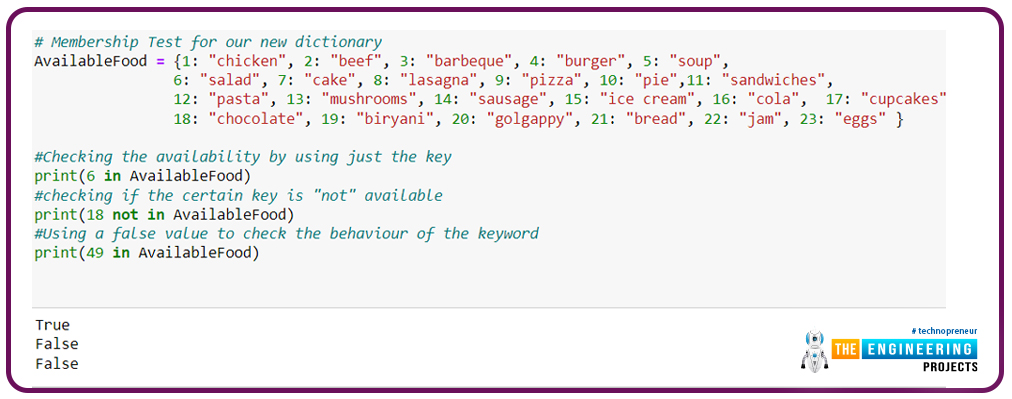
Hello peeps! Welcome to the new episode of the Python tutorial. We have been working with different types of data collection in Python, and it is amazing to see that there are several ways to store and retrieve data. In the previous lecture, our focus was on the basics of dictionaries. We observed that there are many important topics in the dictionaries, and we must know all of them to make our base of concepts solid. For this, we are now dealing with the dictionaries in different ways, and this tutorial is going to be very interesting because we will pay more heed to the practical work and, by choosing a few cases in our codes, we will apply multiple operations to them. So have the highlights of today’s learning, and then we will move forward with the concepts.
What are nested diction ...