Hey learners! Welcome to another exciting lecture in this series of signals and systems. We are learning about the transform in signals and systems, and in the previous lectures, we have seen a bulk of information about the Laplace transform. If you know the previous concepts of signal and system, then this lecture will be super easy for you to learn, but if your concepts are not clear, do not worry because we will revise all the basic information from scratch for our new readers. So, without wasting time, have a look at the topics of today.
What is z transform?
What is the region of convergence of z transform?
What are some of the important properties of the region of convergence?
How to solve the z transform?
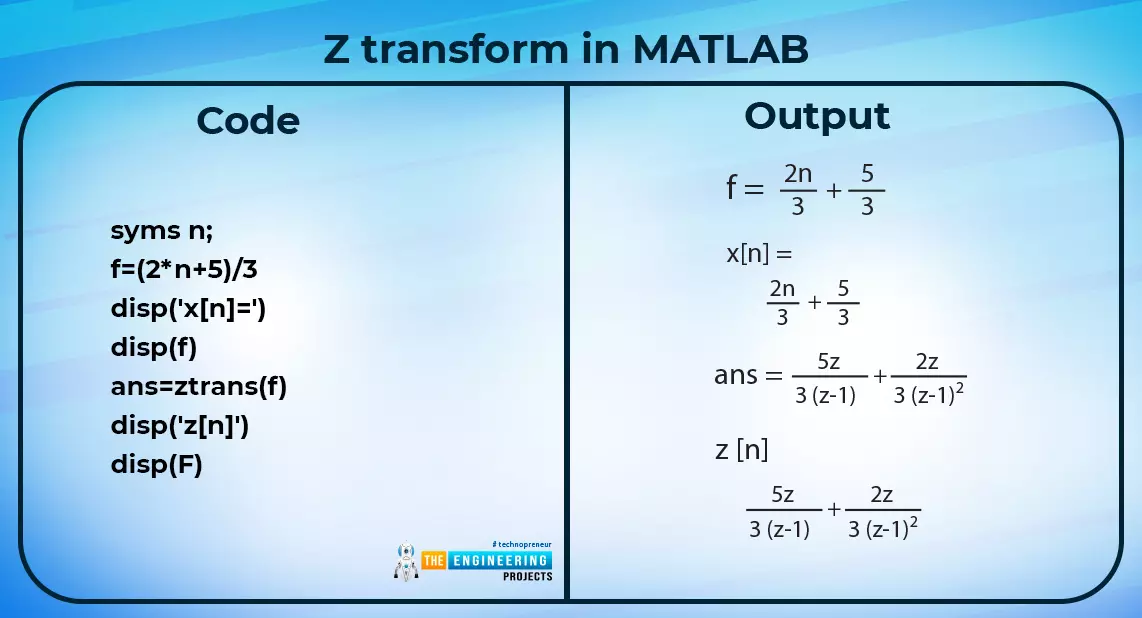
What is an example of the z transform in MATLAB?
What are the methods fo ...
Hey readers, welcome to another interesting lecture of this series in which we are studying signals and systems. In the present lectures, we are learning the details about the responses of LTI systems, and today, you are going to learn the step response. We also talked about the impulse response and frequency response, and therefore, this lecture will be easy for you to understand because it is, somehow, related to the impulse response. If you are new to this concept, do not worry because there will be a revision of important points side by side. Have a look at the list of today’s concepts:
What is an LTI system?
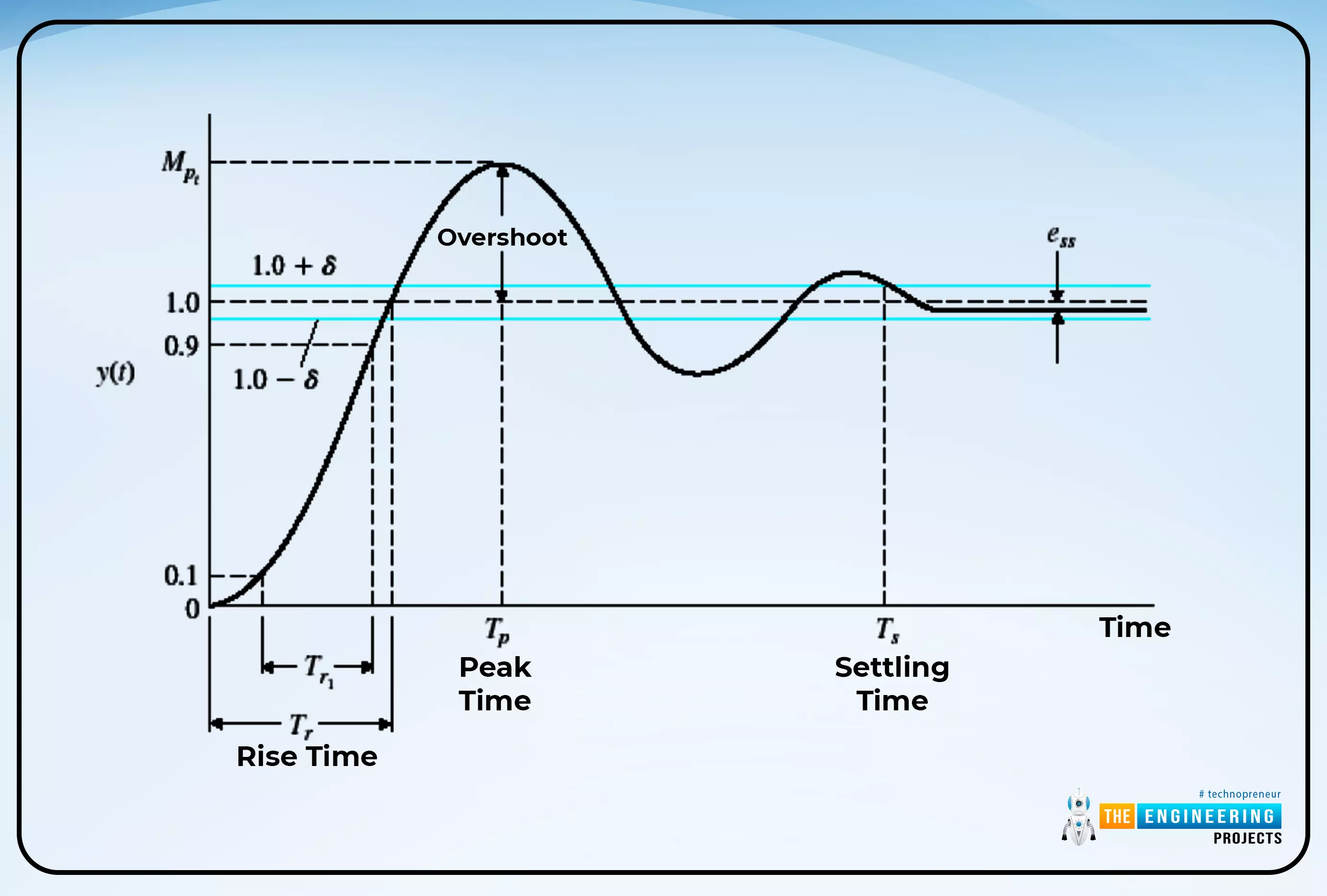
How do you define the step response of an LTI system?
What is the code to run the step response of signal in MATLAB using different functions?
How can you find the detail of t ...
Hey fellows, Welcome to another lecture in the signal and systems series in which we are moving towards another transform. Till now, we have studied the Laplace and z transform and we, therefore, know the basic purpose of transforms, that is, to convert the signal from one domain to another. In today's lecture, we will be discussing the Fourier Transform, and you will enjoy its information because now we have a clearer idea of what we are doing and what the purpose of this transformation of a signal is. Here are the key points that we are going to consider:
What is the Fourier transform?
What is the journey Fourier transforms from start to end?
How do you define the types of Fourier transform?
Why is the Discrete Fourier transform important?
Why is the fast Fourier transforms named so ...
Hello, readers. Welcome to another lecture on signals and systems where, on the previous day, we studied the transforms. A Z transform is used to change the domain of a signal or function. It is used to convert the signal from the time domain into the z plane. Now we are going a little deep into the discussion. Have a quick promo of the topic of today:
What are the properties of z transform?
What is the unit impulse of z transform?
What is the unit ramp of z transform?
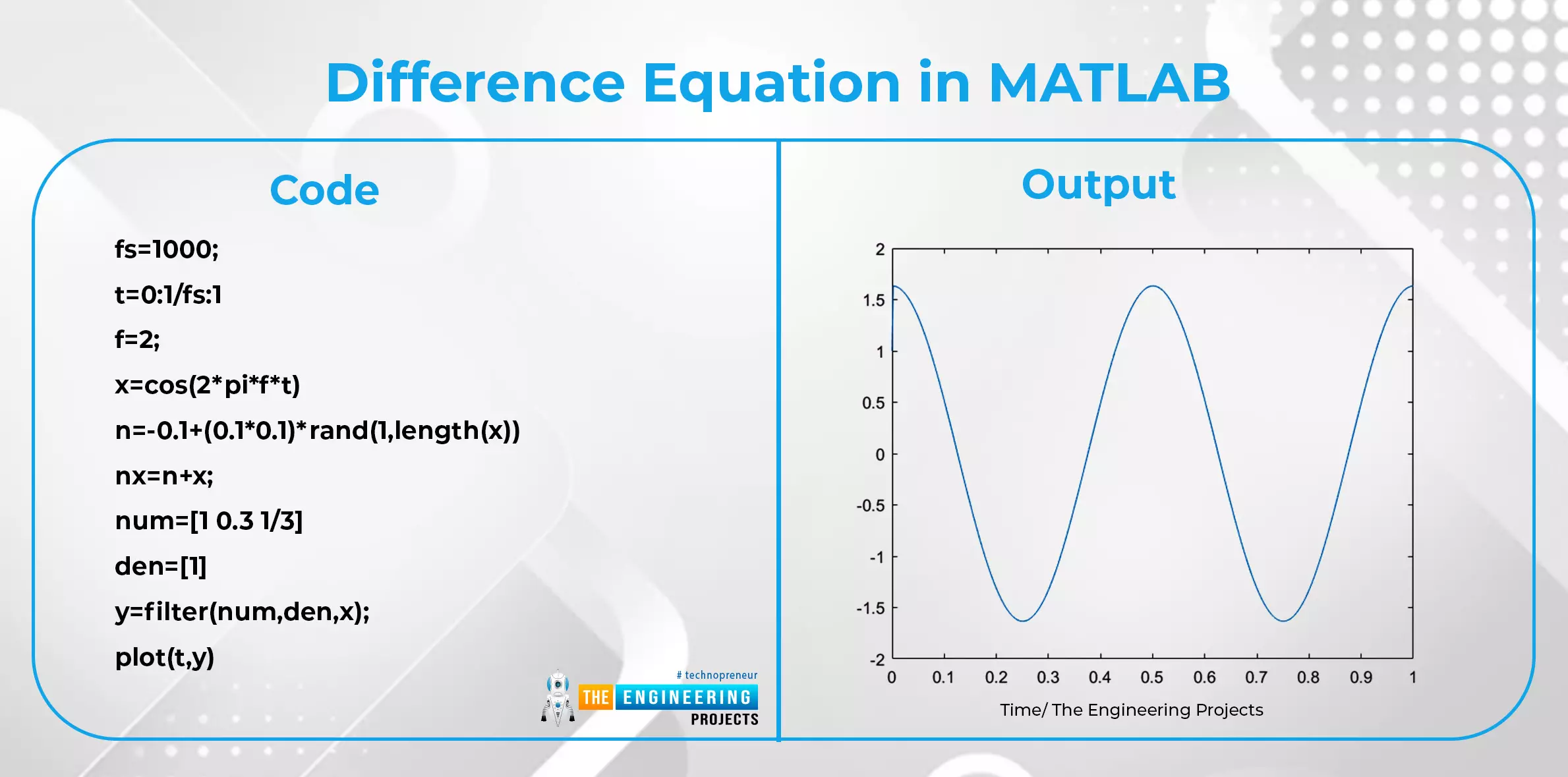
What is the difference equation and how is it related to the z transform?
What are some important applications of z transform?
We’ll go through each of these topics in detail, so stay with us to learn about all of them.
Properties of z Transform
Till now, we have seen the introduction of z transform along with s ...
Hey geeks, welcome to the next article of this series on signals and systems. In the previous lecture, we saw the basic types of convolution and learned about convolution in MATLAB. This time, we are going to enhance some concepts about it by learning about the properties of convolution and by adding some important pieces of information about the same topic. Have a look at today’s concepts:
What are some basic properties of convolution?
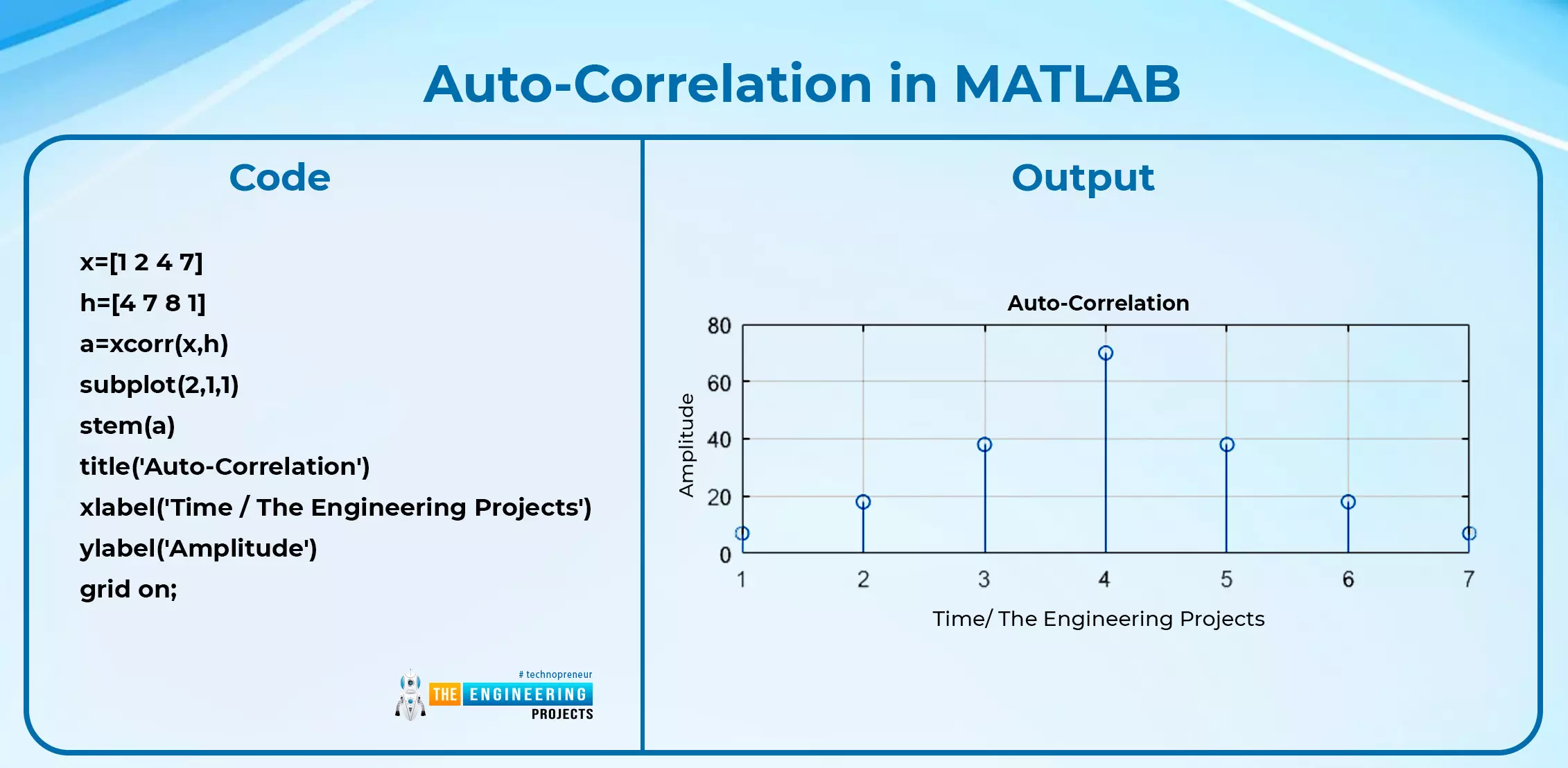
What is the correlation?
Discuss some types of correlation and their implementation in MATLAB.
What is the difference between convolution and correlation?
How convolution is used in different areas of science and how different departments are using this technique to control the parameters efficiently.
The Properties of Convolution
Once you ...
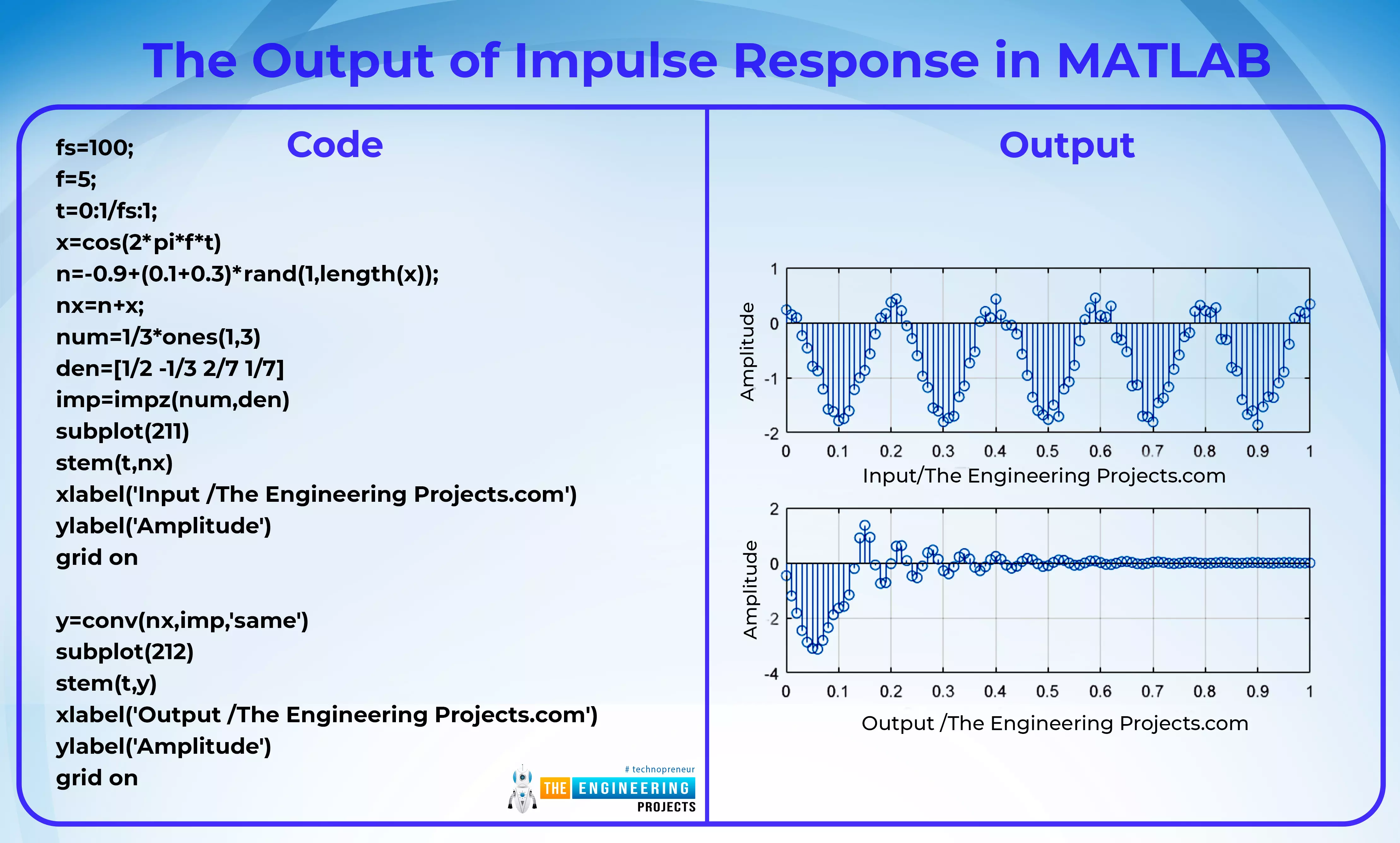
Hello learners, welcome to another topic of signals and systems. We hope you are having a reproductive day and to add more information in the simplest way to your day, we are discussing the responses in discrete-time signals. If you do not get the idea of the topic at the moment, do not worry because we are going to learn it in detail and you are going to enjoy it because we are making interesting patterns in MATLAB as the practical implementation of the topics. Have a look at the points that we are making clear today.
What is the LTI system?
What is impulse response?
How can we get the impulse response in MATLAB?
How can we have the output signal using codes and impulse response in MATLAB?
As we have learned so far in this series, there are two types of signals based on the ...
Hello! Welcome to the engineering projects. This is the second part of the signal and system series in which we will discuss some essential classifications of simple signals. In the previous session, we discussed the introduction of signals and systems and also ran some simple codes on MATLAB for the implementation of some simple codes.
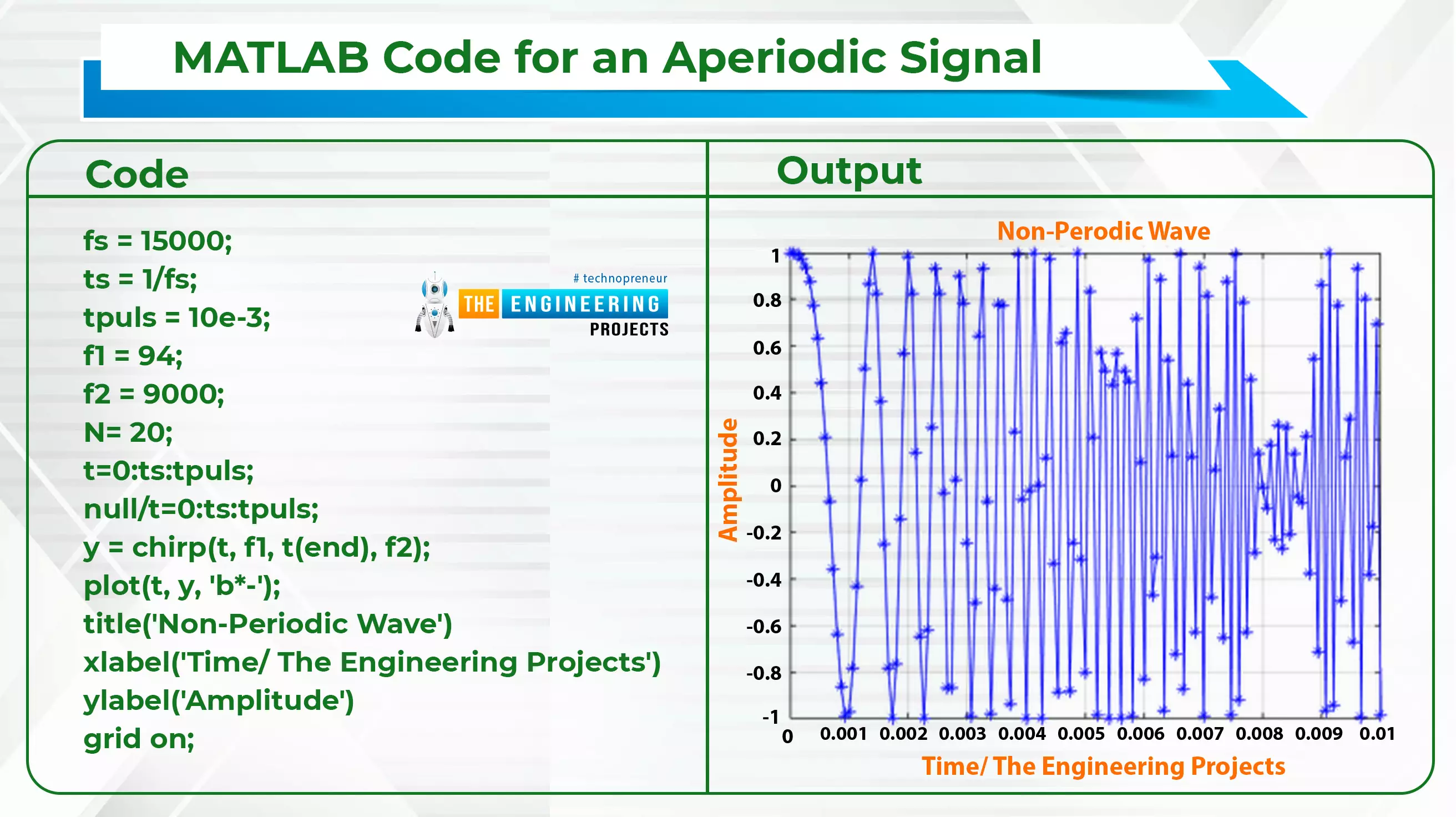
In this session, we are discussing some essential types of signals, and the best part is that we will implement all the signals in MATLAB for the best understanding. Here is a quick glance at all the topics that we will discuss today:
Continuous-Time Signals
Discrete-Time Signals
Periodic Signals
Aperiodic Signals
Even Signals
Odd Signals
Deterministic Signals
Non-Deterministic Signals
Energy Signals
Power Signals
What are functions?
Some ...
Hello readers, Welcome to another tutorial about the signal and system. In this lecture, you are going to read details about the ramp response of a signal. In the past lectures, we have been dealing with different types of responses of LTI systems, and therefore, we know that linear invariant systems, or LTI systems, are those which follow the rules of linearity and are also time-invariant. So, at present, our focus is to examine what happens when the ramp signals are fed into the LTI system and which type of output signal we receive. Here is a glimpse at today’s topic that we will learn deeply.
What is the RAMP signal?
How can you define the ramp response?
How to use the ramp function in MATLAB to get the ramp response?
What are some important properties of the ramp function?
How i ...
Signal and systems is an essential subject in electrical engineering and it is not just limited to this particular branch of engineering but students of many other branches such as computer engineering learn and practice this subject in their field. For design and analysis, all engineering topics make use of models of real-world things. Signals and systems provide you with the ability to take on the challenge of getting the job done.
Signal and system are two terms that, when studied and performed together, form a fantastic visualization of different phenomena. Have a look at these two terms.
What is the signal?
A signal is defined as the description of comparing two parameters and how they vary with each other. Signals are the representation of some sort of information with the help of ...
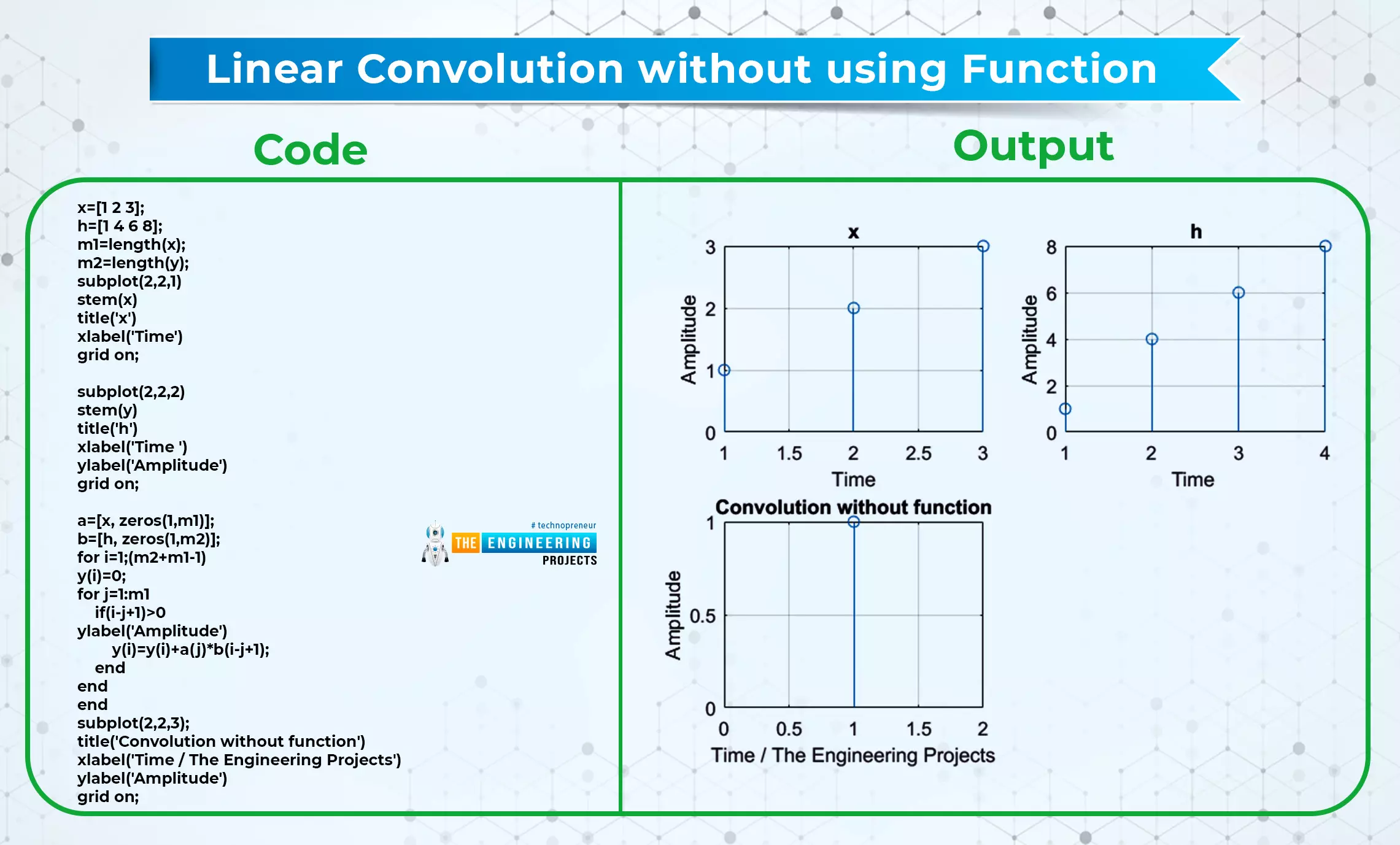
Hey pupils, Welcome to another lecture of this series on signals and systems, and this is the time to learn an interesting topic in which you are going to learn about the convolution of the signals. In the previous sessions, we have learned basic operations on the signals, and this time, you are going to know the convolution of the signals and different criteria that are related to this topic. Have a quick view of the concepts that will be clarified in this lecture: What is convolution? What are some basic types of convolution? How can you define the properties of linear convolution? How can you implement convolution in MATLAB using function and without function? What is the difference between linear and circular convolution? What is the convolution of signals? Convolution is ...