


Project Files of LCD Interfacing with Microcontrollers
 Libraries
 Code
 Projects
 Simulation
Interfacing of LCD with 8051 Microcontroller in Proteus ISIS.rar

Proteus Simulation and Code
Proteus Simulation and Code comes as a RAR archive of 17 files (31.2 KB, 139.6 KB unpacked) holding a Proteus simulation, compiled HEX firmware and source code.
- DSNProteus simulation
- HEXHEX firmware
- SRCSource code
Description
This is the download page of Proteus Simulation and Code, the file package of the tutorial LCD Interfacing with Microcontrollers, published on The Engineering Projects in May 2017. Here you get the RAR file (31.2 KB) with a ready Proteus simulation, the compiled HEX firmware and the source code, the list of files it contains, the README when there is one, and the installation steps in order.
What this package is
Proteus Simulation and Code is the firmware package of LCD Interfacing with Microcontrollers: the source files (LCD.c) and the compiled HEX (LCD with 8051.hex), together with the Proteus project Interfacing of LCD with 8051 Microcontroller in Proteus ISIS.DSN that runs it. Build the source with the compiler the tutorial names, or load the HEX straight away to see the project work.
What is inside the RAR file
- Interfacing of LCD with 8051 Microcontroller in Proteus ISIS.DSN – Proteus simulation, 84.3 KB
- LCD with 8051.hex – Compiled HEX file, 1021 B
- LCD.c – Source file, 3.9 KB
- LCD with 8051 – File, 6 KB
- LCD with 8051.lnp – LNP file, 64 B
- LCD with 8051.M51 – M51 file, 8.4 KB
- and 11 more, all listed in the File Structure tab
The archive unpacks to 139.6 KB; there is no README inside, so the steps below stand in for it.
How to download
Use the download panel at the top of this page: after the counter (30 seconds for guests, 10 for members) the black button unlocks and Interfacing of LCD with 8051 Microcontroller in Proteus ISIS.rar comes straight from our content network. If the browser opens it instead of saving, use Save as; extract the whole archive before using anything inside it.
How to install
- Step 1: Extract Interfacing of LCD with 8051 Microcontroller in Proteus ISIS.rar with Windows (Extract All), 7-Zip or WinRAR, keeping its folders.
- Step 2: Build LCD.c with the compiler the tutorial names.
- Step 3: In Proteus set the controller's Program File to LCD with 8051.hex; on hardware, flash the same file.
- Step 4: Open Interfacing of LCD with 8051 Microcontroller in Proteus ISIS.DSN in Proteus and press Play.
Read the detailed guide
This page is for the files. The full tutorial, LCD Interfacing with Microcontrollers, explains the circuit and the code step by step and shows the working results and the simulation; read it before you build. Questions about the download or the installation go in the comments below; more LCD Projects downloads are listed further down this page.
The package is free for personal, educational and research projects; credit The Engineering Projects and link to this page when you share it rather than re-uploading the file.

File Structure
 File Structure
6 KB1021 B64 B8.4 KB1021 B1.6 KB2.1 KB0 B3.9 KB6.8 KB6.2 KB33 B5 KB11.4 KB749 B84.3 KB1021 BGallery12 images from the tutorialOpen the tutorial
 Gallery12 images from the tutorial
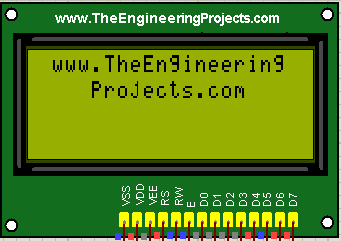
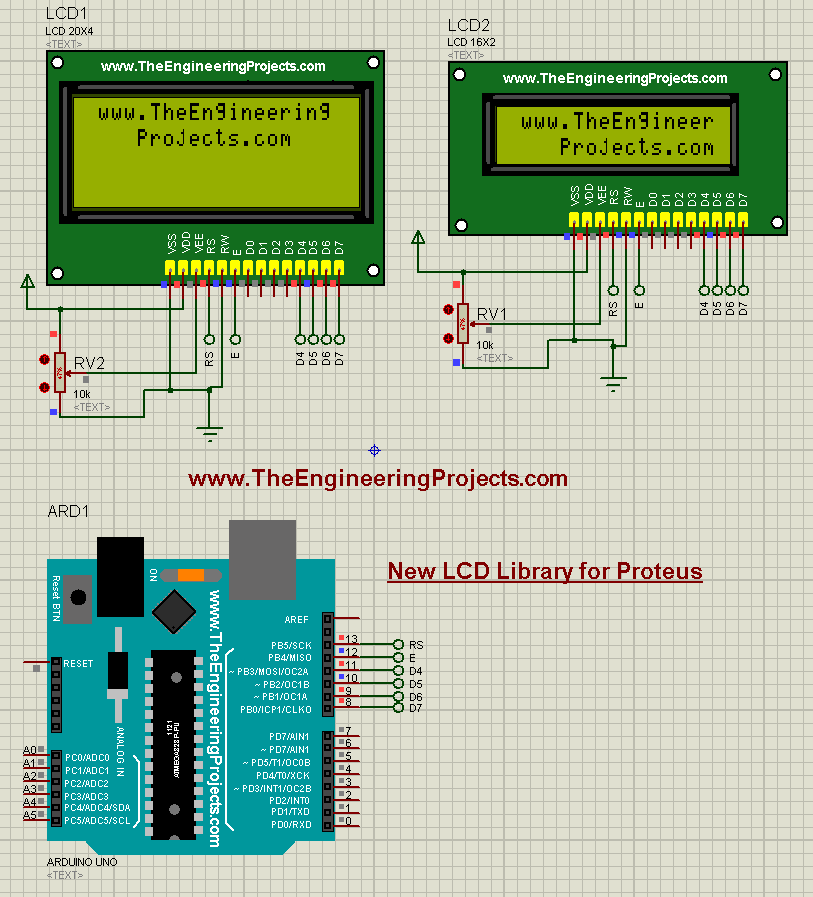
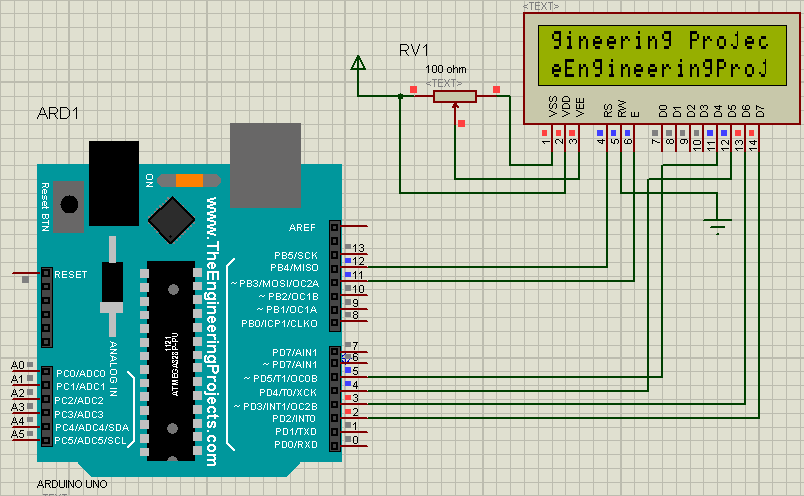
The circuit, the board and the results as they appear in LCD Interfacing with Microcontrollers. Open an image for its full size.
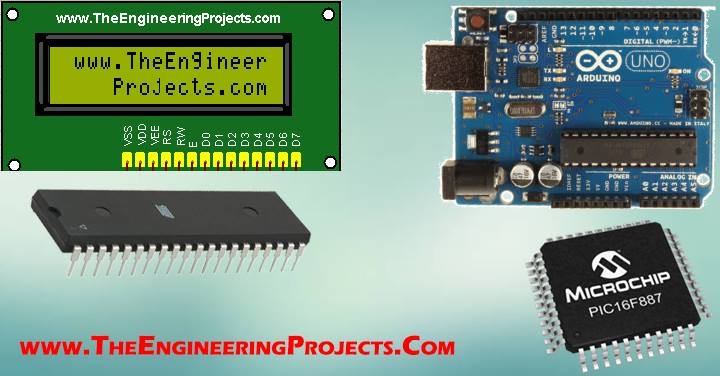
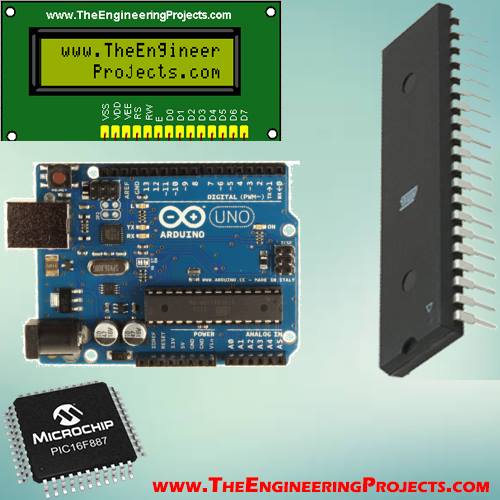
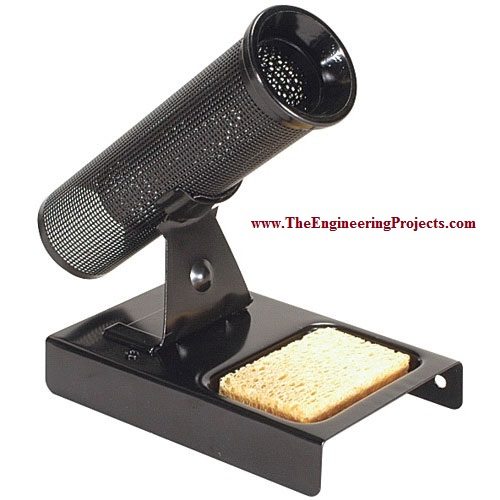
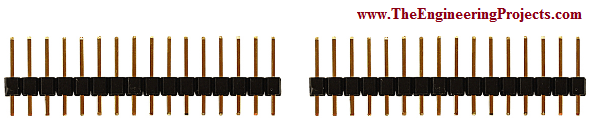
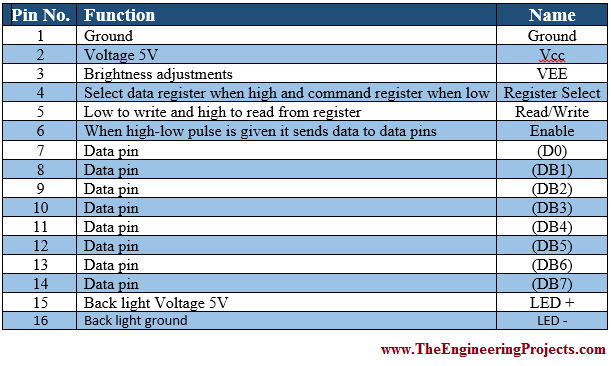
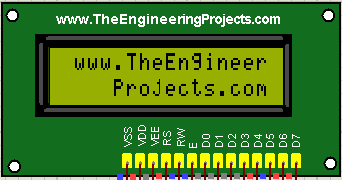
README
 README
Development1 release
 Development1 release
-
Proteus Simulation and Codethis page
The only release of this package so far. When a newer version is published, it appears above with its own download page.
Installation5 steps
 Installation5 steps
From the download to a working project, in order. The steps follow what the package contains.
You will need
- Proteus Design SuiteProteus 7 or 8 (Labcenter), on Windows
- The compiler named in the tutorialto build the source files into firmware
- WinRAR or 7-ZipWindows cannot open RAR archives on its own

Steps
- 1
Extract the archive
Right-click Interfacing of LCD with 8051 Microcontroller in Proteus ISIS.rar and choose Extract All (or open it with 7-Zip or WinRAR) into a folder you can find again. Keep its folder structure (Interfacing of LCD with 8051 Microcontroller in Proteus ISIS) as it is.
- 2
Build the source code
Open LCD.c in the compiler named in the tutorial (MikroC, Keil, MPLAB, Code Composer or the Arduino IDE) and build it to get the firmware.
- 3
Load the HEX file
In Proteus double-click the microcontroller, set Program File to LCD with 8051.hex and run the simulation. For real hardware, flash the same file with your programmer.
- 4
Open the example simulation
Open Interfacing of LCD with 8051 Microcontroller in Proteus ISIS.DSN in Proteus to see the wiring exactly as in the tutorial. Check the controller's Program File path, then press Play.
- 5
Follow the tutorial
LCD Interfacing with Microcontrollers explains every connection and setting in order; keep it open beside the files while you build.
FAQs8 questionsContact TEP
 FAQs8 questions
How do I download Proteus Simulation and Code?
Wait for the 30-second guest countdown on this page, then press the download button; the file comes straight from our storage. Members who are logged in skip the wait. If the browser opens the file instead of saving it, use its Save as option. The download link is made for you when the countdown ends and works for 15 minutes; a saved or shared link stops working, so share this page instead.
What is inside the archive?
Proteus Simulation and Code comes as a RAR archive of 17 files (31.2 KB, 139.6 KB unpacked) holding a Proteus simulation, compiled HEX firmware and source code. Open the File Structure tab for the full list of 17 files.
What should I do if the download does not start?
Check the browser's download list first; an ad blocker or a company firewall can also hold it back, so try another browser or network. If the file arrives incomplete, download it again. For an installation problem, read the Install tab or tell us in the comments with your software version and the exact error message.
Is this file free?
Yes. Every file in the TEP Download Center is free for learning, personal and student projects. If you share it, link back to this page or the tutorial so others find the latest version.
How do I check that the file arrived complete?
Compare its SHA-256 with the one on this page, 81184c02902fe48dfc189f85dacdf8801dd4684e4f2bd119e3eba1b04801e5e9. In PowerShell run Get-FileHash "Interfacing of LCD with 8051 Microcontroller in Proteus ISIS.rar"; on macOS or Linux run shasum -a 256 "Interfacing of LCD with 8051 Microcontroller in Proteus ISIS.rar". The same value means the file is exactly the one in our storage; a different one means the download broke off, so download it again.
Do I need WinRAR to open the RAR file?
RAR archives need WinRAR, 7-Zip or another RAR-capable tool; Windows cannot open them on its own. Extract the whole archive before using the files.
How do I get the HEX file into the simulation?
Compile the sketch in the Arduino IDE (Sketch → Export Compiled Binary gives you the HEX next to the sketch), then in Proteus double-click the board, set Program File to that HEX and run.
Are there other files for this tutorial?
Yes, this tutorial has 5 downloads; the others are listed under the panel. Each has its own page and countdown.
Members skip the wait. Log in or join TEP.

- 0Total downloads
- 4%Popularity
- LCD ProjectsCategory
- 0Comments
- ssyedzainnasirUploaded by
- 28 May 2017Uploaded at


 SHA-256
81184c02902fe48dfc189f85dacdf8801dd4684e4f2bd119e3eba1b04801e5e9


 Need help with this file?
 Tags
More LCD project files
All LCD tutorials




Comments
0