Hey buddies! Welcome to the next tutorial on deep learning, in which you are about to acquire knowledge related to Python. This is going to be very interesting because the connection between these two is easy and useful. In the last lecture, we had an eye on the latest and trendiest deep learning algorithms, and therefore, I think you are ready to take the next step towards the implementation of the information that I shared with you. To help you make up your mind about the topics of today, I have made a list for you that will surely be useful for you to understand what we are going to do today.
How do you introduce the Python programming language to a deep learning developer?
How is Python useful for deep learning training in different ways?
Do Python provide the useful frameworks for ...
Hey learners! Welcome to the new tutorial on deep learning, where we are going deep into the learning of the best platform for deep learning, which is TensorFlow. Let me give you a reminder that we have studied the need for libraries of deep learning. There are several that work well when we want to work with amazing deep-learning procedures. In today’s lecture, you are going to know the exact reasons why we chose TensorFlow for our tutorial. Yet, first of all, it is better to present the list of topics that you will learn today:
Why do we use TensorFlow with deep learning?
What are some helpful features of this library?
How can you understand the mechanism of TensorFlow?
Show the light towards the architecture, and components of the TensorFlow.
In how many phases you can complete t ...
Hello Peeps! Welcome to the next lecture on deep learning, where we are discussing TensorFlow in detail. You have seen why we have chosen TensorFlow for this course, and we have read a lot about the working mechanism, programming languages, and advantages of using TensorFlow instead of other libraries. Instead of using the other options for the same purpose, we have seen several reasons to use TensorFlow. Because of the latest work on the library for more improvement and better results, it's now time to learn the specifics of TensorFlow installation. But before this, you have to check the list of the concepts that will be cleared today:
Is Installation of TensorFlow Difficult?
The simple and to-the-point answer to this question is, the installation is easy and usually does not require ...
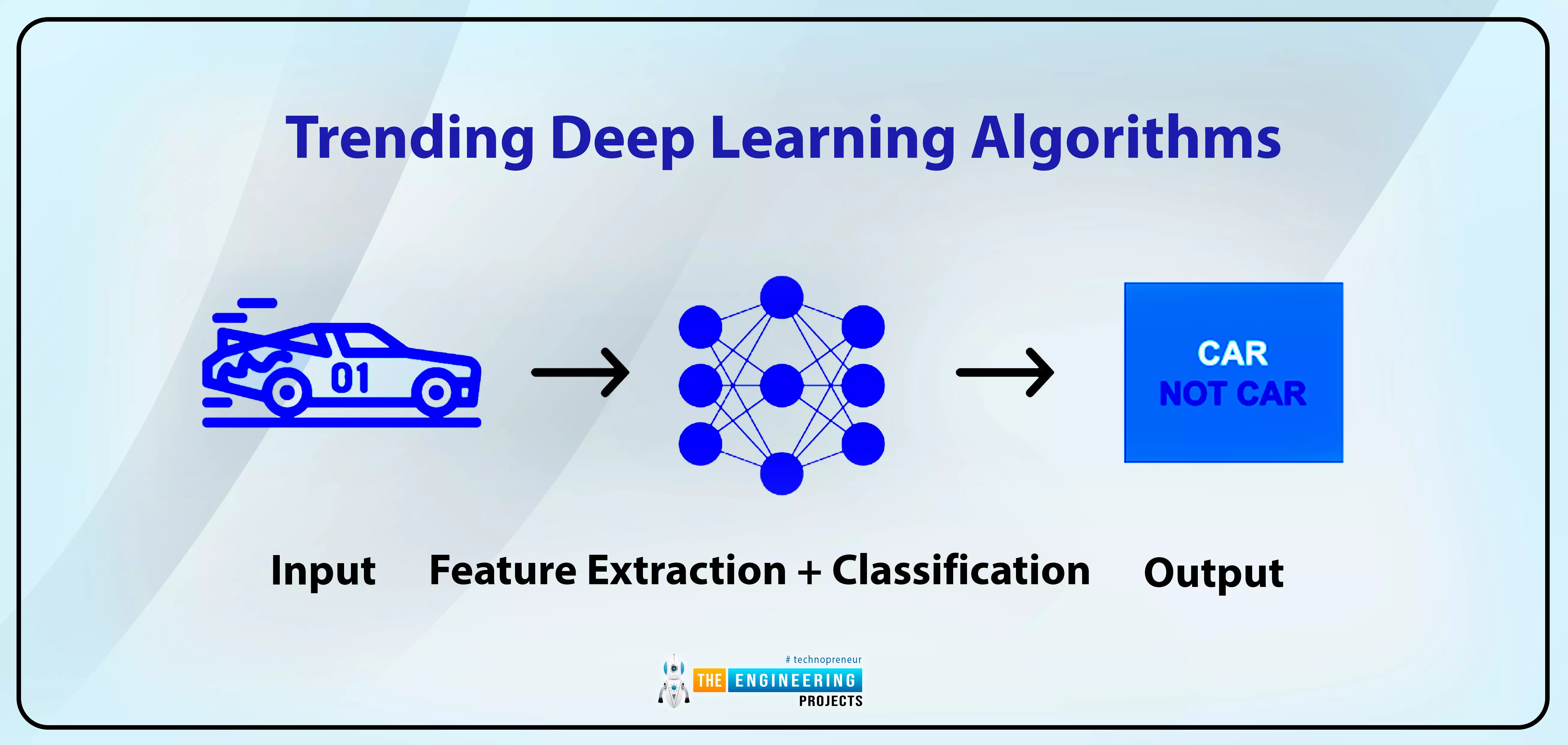
Hello pupils! Welcome to the following lecture on deep learning. As we move forward, we are learning about many of the latest and trendiest tools and techniques, and this course is becoming more interesting. In the previous lecture, you saw some important frameworks in deep learning, and this time, I am here to introduce you to some fantastic algorithms of deep learning that are not only important to understand before going into the practical implementation of the deep learning frameworks but are also interesting to understand the applications of deep learning and related fields. So, get ready to learn the magical algorithms that are making deep learning so effective and cool. Yet before going into details, let me discuss the questions for which we are trying to find answers.
How does dee ...
Hello pupils! Welcome to the next section of neural network training. We have been studying modern neural networks in detail, and today we are moving towards the next neural network, which is the Echo State Network (ESN). It is a type of recurrent neural network and is famous because of its simplicity and effectiveness.
In this tutorial, we’ll start learning with the basic introduction of echo state networks. After that, we’ll see the basic concepts that will help us to understand the work of these networks. Just after this, we’ll see the steps involved in setting the ESNs. In the end, we’ll see te fields where ESNs are extensively used. Let’s start with the first topic:
Introduction to Echo State Networks (ESNs)
The echo state networks ( ...
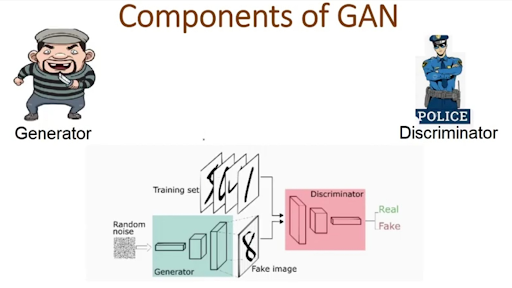
Deep learning has applications in multiple industries, and this has made it an important and attractive topic for researchers. The interest of researchers has resulted in multiple types of neural networks we have been discussing in this series so far. Today, we are talking about generative advertising neural networks (GAN). This algorithm performs the unsupervised learning task and is used in different fields of life such as education, medicine, computer vision, natural language processing (NLP), etc.
In this article, we will discuss the basic introduction of GAN and will see the working mechanism of this neural network, After that, we will see some important applications of GANs and discuss some real-life examples to understand the concept. So let’s move towards the introduction of GANs ...
Hello Learners! Welcome to the next lecture on deep learning. We have read the detailed introduction to deep learning and are moving forward with the introduction of the neural network. I am excited to tell you about the neural network because of the interesting and fantastic applications of neural networks in real life. Here are the topics of today that will be covered in this lecture:
What do we mean by the neural network?
How can we know about the structure of the neural network?
What are the basic types of neural networks?
What are some applications of these networks?
Give an example of a case where we are implementing neural networks.
Artificial intelligence has numerous features that make it special and magical in different ways, and we will be exploring many of them in dif ...
Hello pupils! Welcome to the next session of the neural network series. I hope you are doing good. In the previous part of this series, I showed the double deep Q networks and discussed their differences from the deep Q network to make things clear. Today, I am going to visit a very popular neural network with you. This is the spiking neural network that mimics the functionality of the biological neurons with the help of spikes. This is a different neural network than the traditional networks and you will see the details of each point.
In this lecture, we’ll understand the introduction of the spiking neural network. We’ll discuss all the basic terms that are used while studying the SNN. After that, we’ll move on to the steps of using SNN in detail. In the end, we’ll move towards the appl ...
Hi readers! I hope you’re having a great day and finding something thrilling. Imagine being able to solve a problem in seconds that would take the fastest supercomputers millennia, that is, quantum computing. Today, we will cover Quantum Computing.
Quantum computing is a relatively new technology that can present a new way of thinking about how information may be processed using the laws of quantum mechanics. Classical computing uses bits, which are either 0 or 1, while processing information, whereas quantum computing uses qubits and has the possibility of being a bunch of things at the same time by virtue known as the “superposition”. In addition to "superposition", qubits can be connected across space through a property known as "Entanglement", which allows quantum computers the potent ...
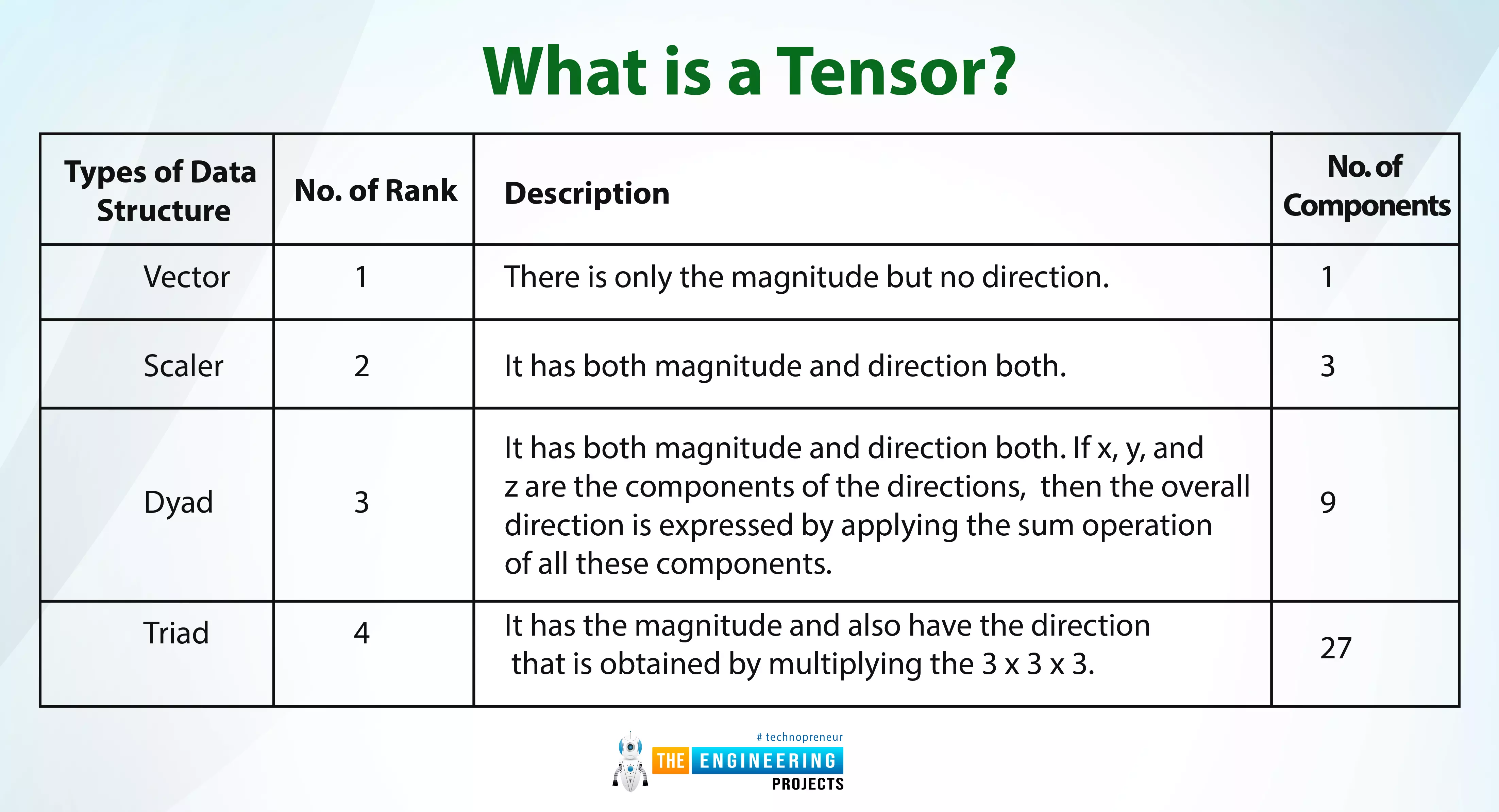
Hi pals! Welcome to the next deep learning tutorial, where we are at the exciting stage of TensorFlow. In the last tutorial, we just installed the TensorFlow library with the help of Anaconda, and we saw all the procedures step by step. We saw all the prerequisites and understood how you can follow the best procedure to download and install TensorFlow successfully without any trouble. If you have done all the steps, then you might be interested in knowing the basics of TensorFlow. No matter if you are a beginner or have knowledge about TensorFlow, this lecture will be equally beneficial for all of you because there is some important and interesting information that not all people know. So, have a look at the topics that will be discussed with you in just a bit.
What is a tensor?
What are ...