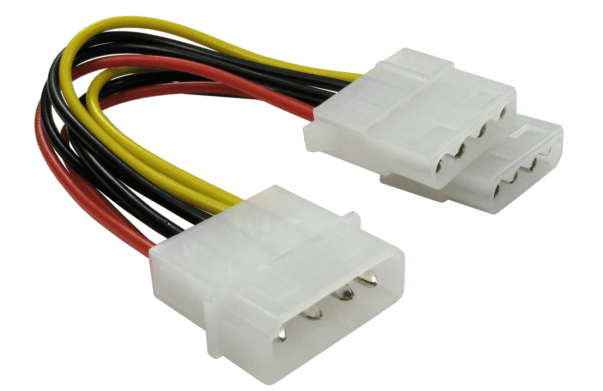
In advanced electronics and electrical systems, connectors play a crucial part in facilitating secure and dependable transmission among constituents. Among the multiple kinds of connectors utilized in electronics, the Molex connector is one of the most extensively identified and generally used. It is extremely prevalent in the hardware of the computer, automotive electronics, industrial equipment, and client electronic appliances. Molex connectors are recognized for their solidity, compact design, and ability to provide reliable electrical connections. Molex connectors are particularly famous in computer power supplies, automotive electronics, industrial machinery, and consumer devices because they supply dependable implementation, manageable facility, and long-lasting structure. Their configuration permits architects and technicians to quickly join and disconnect electrical features without soldering, facilitating supervision and uprisings. What is a Molex connector? It is an adaptable electrical connector system developed to securely connect wires and electronic elements, extensively utilized in computers, automotive electronics, and industrial instruments for dedicated power and signal communication. A Molex connector is an electrical connector developed to link electrical circuits concurrently through a plug-and-socket system. The connector generally comprises pins or terminals included in a plastic accommodation, permitting protected communication of energy or signals ...
I remember the first time I handed off a PCB project without thinking hard enough about the assembly process. The board came back looking fine. Then we started testing. Footprint mismatch on a critical power IC. Wrong polarity on an electrolytic cap. Two components missing entirely. Three weeks of schedule gone. The factory had done exactly what we asked them to do. The problem was what we asked for. That experience taught me something most engineering programs never cover. The assembly model you choose matters as much as the circuit design itself. And turnkey PCB assembly is one of those decisions that gets made too casually, too often. The word turnkey gets used loosely in manufacturing. In PCB assembly it has a specific meaning. You hand the project over. The assembly partner handles everything. PCB fabrication. Component sourcing. Paste stenciling. SMT placement. Reflow. Through-hole insertion if needed. Inspection. Testing if agreed. You get finished boards. The alternative is partial assembly, sometimes called consignment. You supply the bare boards. You supply the components. The assembler just places and solders. You manage the supply chain yourself. A third option sits in between. Partial turnkey. You supply certain critical components. The assembler sources the rest. Useful when you have approved vendor lists or carry strategic inventory. Understanding which model fits your project is not about cost alone. It is about risk, timeline, and how much bandwidth your team ...