


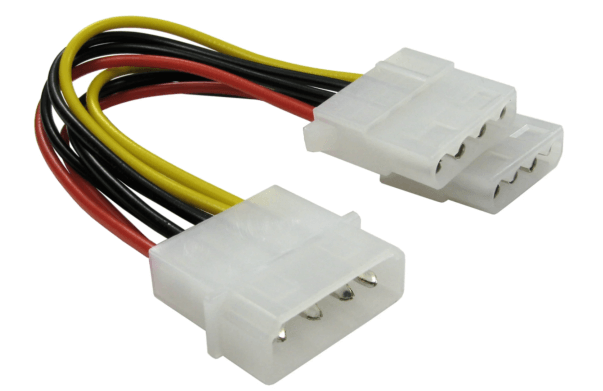
What Is a Molex Connector? Definition, Types, Features, and Uses


In advanced electronics and electrical systems, connectors play a crucial part in facilitating secure and dependable transmission among constituents. Among the multiple kinds of connectors utilized in electronics, the Molex connector is one of the most extensively identified and generally used. It is extremely prevalent in the hardware of the computer, automotive electronics, industrial equipment, and client electronic appliances. Molex connectors are recognized for their solidity, compact design, and ability to provide reliable electrical connections.
Molex connectors are particularly famous in computer power supplies, automotive electronics, industrial machinery, and consumer devices because they supply dependable implementation, manageable facility, and long-lasting structure. Their configuration permits architects and technicians to quickly join and disconnect electrical features without soldering, facilitating supervision and uprisings. What is a Molex connector? It is an adaptable electrical connector system developed to securely connect wires and electronic elements, extensively utilized in computers, automotive electronics, and industrial instruments for dedicated power and signal communication.
1. Definition of a Molex Connector:
A Molex connector is an electrical connector developed to link electrical circuits concurrently through a plug-and-socket system. The connector generally comprises pins or terminals included in a plastic accommodation, permitting protected communication of energy or signals between electronic elements. The name originates from Molex, a multinational electronics firm established in 1938 that manufactures connectors, cable groups, and electronic elements. Over time, the phrase“Molex connector” has evolved into a generic name usually used to define several kinds of plastic power connectors utilized in computer and electronic systems.
These connectors are broadly used because they supply:
- Easy connection and disconnection
- Compact and organized wiring structures
- Reliable electrical contact
- Protection of wires and pins
2. History and Development of Molex Connectors:
The firm Molex initially specialized in molded plastic developments before developing into electronic connectors. During the immediate development of the electronics enterprise in the mid-20th century, the company presented molded plastic connectors developed to hold metal electrical terminals. As computers and electronic instruments became more complicated, the demand for dependable power connectors improved. Molex reacted by forming connectors that were uncomplicated to manufacture, create, and install.
Today, Molex delivers thousands of connector procedures utilized in:
- Automotive electronics
- Medical equipment
- Personal computers
- Industrial automation
- Telecommunications
3. Essential Structure of a Molex Connector:
A Molex connector generally comprises several essential features that work jointly to make a dedicated connection.
1. Plastic Housing:
The housing is the outer design of the connector. It is generally constructed from durable plastic that secures the internal metal connections and keeps them arranged.
2. Metal Terminals or Pins:
Metal pins or terminals conduct electricity between affiliated instruments. These are generally created from copper alloys to provide superior conductivity.
3. Locking Mechanism:
Considerable Molex connectors contain locking clips or friction locks that prevent unexpected detachment.
4. Crimped Wires:
Wires are connected to the terminals utilizing a crimping procedure, which provides a protected electrical contact.
4. Types of Molex Connectors:
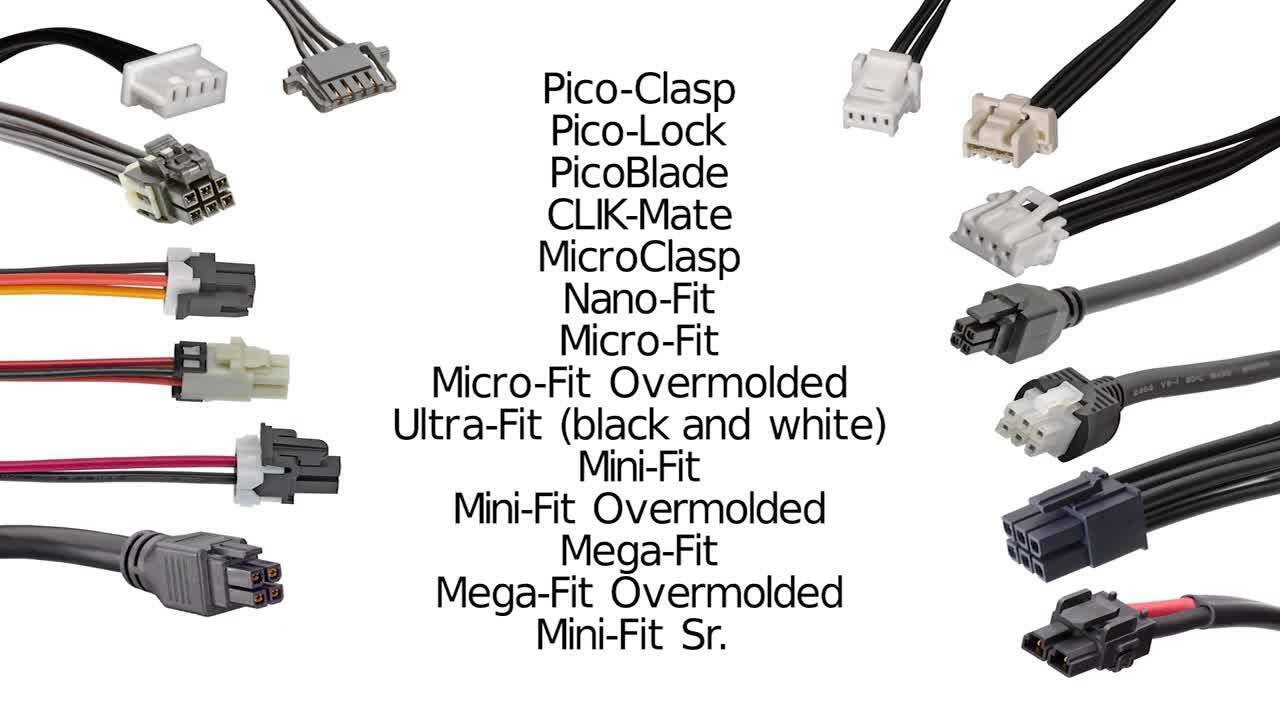
Molex connectors come in numerous different constitutions relying on the application. Some are utilized for power communication, while others are prepared for data or signal transmission.
Table of Common Types of Molex Connectors:
| Header 1 | ||
|---|---|---|
| Type of Molex Connector | Description | Typical Applications |
| Mini-Fit Jr. Connector | High-current connector with compact design | ATX power supplies, GPUs |
| PicoBlade Connector | Ultra-compact connector for remote devices | Laptops and portable electronics |
| Standard 4-Pin Molex | Traditional power connector with four pins | Desktop computer power supplies |
| KK Connector | Single-row connectors for PCB boards | Circuit board connection |
| Micro-Fit Connector | Smaller connector with secure locking | Industrial electronics |
| Header 1 | ||
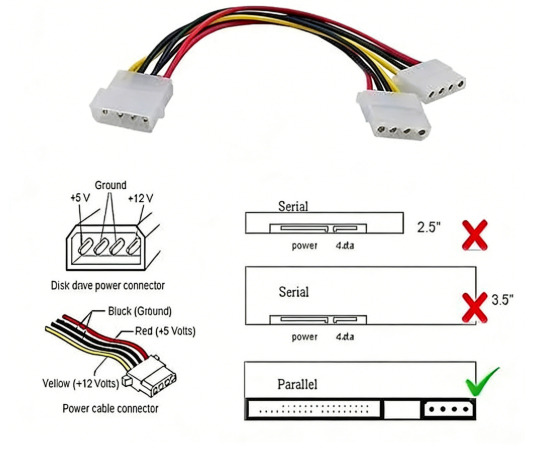
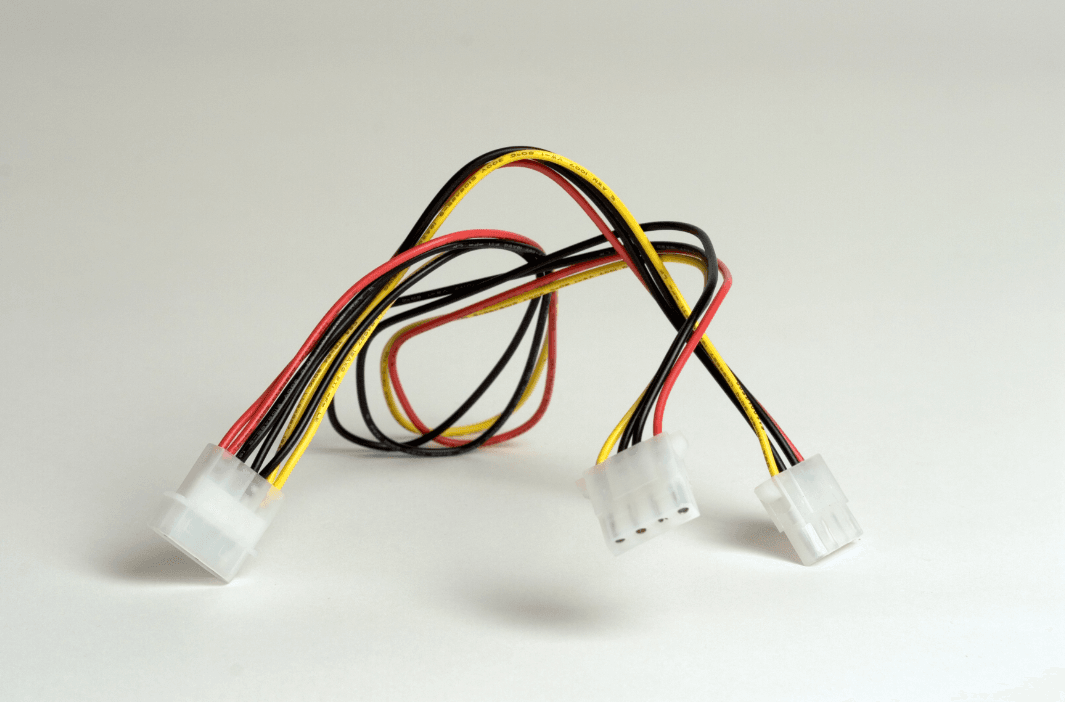
4.1. 4-Pin Standard Molex Connector:
The 4-pin Molex connector is broadly utilized in computer authority supplies. It supplies power from the energy supply unit to features such as:
- Optical drives
- Cooling fans
- Hard drives
The connector generally includes:
- One +5V wire
- One +12V wire
- Two ground wires
This connector type became very familiar in early computers.
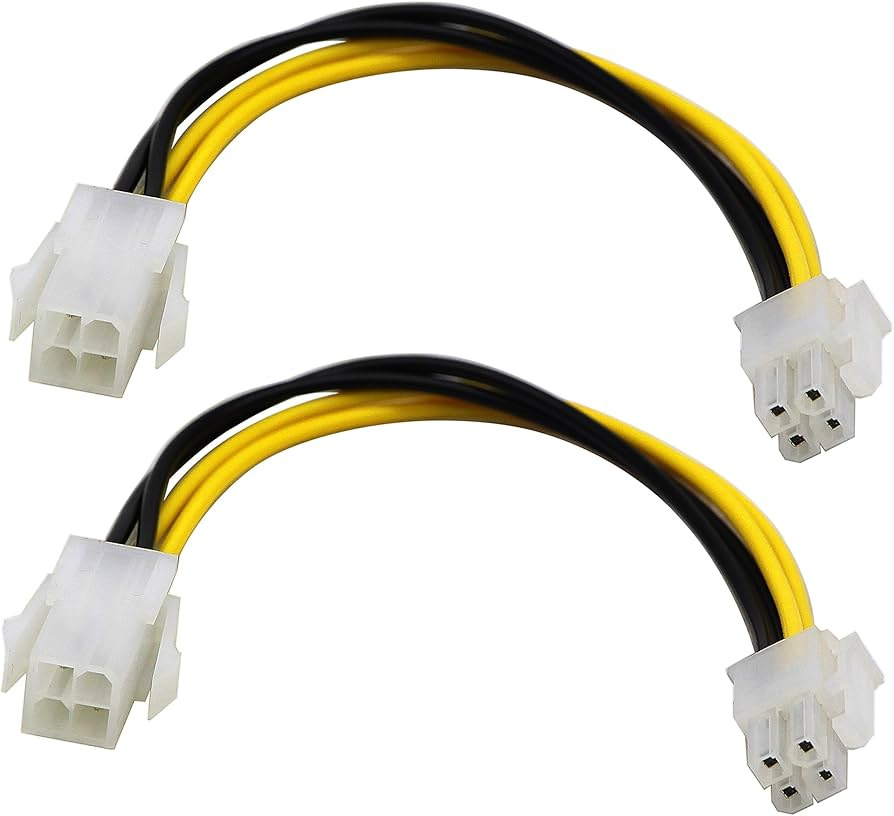
4.2. Mini-Fit Jr. Connector:
The Mini-Fit Jr. connector is another famous method developed by Molex. It is utilized in advanced computer power systems and can manage higher current levels.
It is usually found in:
- Graphics card power cables
- Server systems
- Motherboard power connectors
Mini-Fit connectors are known for their high dependability and compact dimensions.
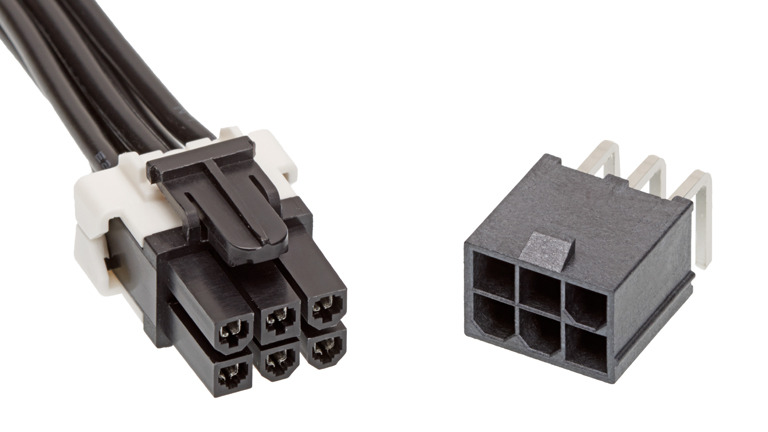
4.3. Micro-Fit Connector:
Micro-Fit connectors are designed for applications where space is limited but powerful electrical connections are always needed.
Key features include:
- Small size
- High current capacity
- Secure locking system
These connectors are broadly utilized in industrial management systems and embedded electronics.
4.4. PicoBlade Connector:
The PicoBlade connector is one of the most miniature connector families created by Molex.
They are generally utilized in:
- Tablets
- Wearable electronics
- Smartphones
- Portable devices
Their compact format makes them excellent for miniaturized electronic systems.
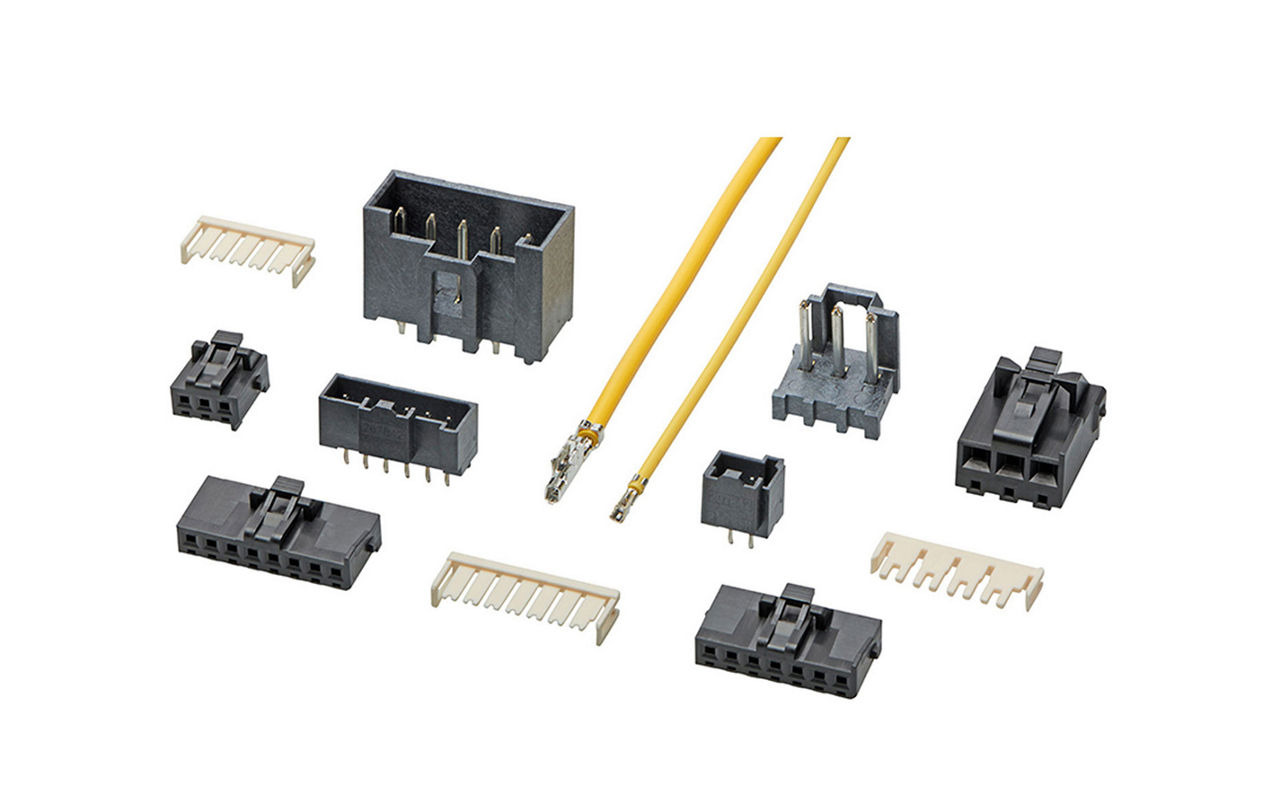
4.5. KK Connector:
The KK connector series is commonly utilized for printed circuit boards. These connectors supply uncomplicated wire-to-board connections.
They are often used in:
- Appliances
- Industrial control boards
- Consumer electronics
5. Key Features of Molex Connectors:
Molex connectors have become intensely popular due to their multiple benefits in electronic system design.
5.1. Reliable Electrical Connection:
The connectors use precision-engineered terminals that support an invariant electrical connection even under vibration or motion.
5.2. Durable Plastic Housing:
The molded plastic housing saves the terminals and stops short circuits or accidental connections with other elements.
5.3. Easy Installation:
Molex connectors are created for fast assembly. Wires are crimped to terminals and inserted into the housing, creating an easy and effective installation.
5.4. Wide Variety of Sizes:
The firm Molex generates connectors in multiple sizes, permitting engineers to choose the proper connector for distinct applications.
5.5. High Current Handling Capability:
Some Molex connectors can manage powerful electrical current, making them appropriate for power distribution systems.
5.6. Protected Locking Mechanisms:
Multiple connectors contain fasteners or latches that prevent them from disconnecting inadvertently.
6. Table of Key Characteristics and Advantages of Molex Connectors:
| Header 1 | ||
|---|---|---|
| Feature | Description | Benefit |
| High Conductivity Terminals | Copper alloy contacts ensure efficient current flow | Reliable power delivery |
| Compact Size Options | Available in small and micro sizes | Ideal for modern compact electronics |
| Modular Design | Connectors come in different pin configurations | Flexible system design |
| Locking Mechanism | Secure latching systems | Prevents accidental disconnection |
| Durable Materials | High-quality plastic housings | Long service life |
| Header 1 | ||
7. Uses of Molex Connectors:
Molex connectors are used across multiple firms due to their resilience and authenticity.
7.1. Computer Hardware:
In desktop computers, Molex connectors are broadly utilized for power distribution. They join the power supply to multiple internal features, such as:
- Cooling fans
- Graphics cards
- Hard drives
- Optical drives
Even though more recent connectors are now operated in advanced systems, conventional Molex connectors still occur in multiple PC setups.
7.2. Automotive Electronics:
Current vehicles possess multiple electronic systems that need dedicated connectors.
Molex connectors are utilized in:
- Lighting systems
- Sensors and control modules
- Engine control units
- Infotainment systems
These connectors are developed to withstand vibration and difficult surroundings.
7.3. Industrial Equipment:
Industrial machinery depends on stable electrical links for automation procedures.
Molex connectors are commonly used in:
- Manufacturing equipment
- Industrial sensors
- Robotics
- PLC control systems
Their rough design makes them appropriate for challenging environments.
7.4. Consumer Electronics:
Multiple consumer devices contain Molex connectors to connect internal features.
Examples contain:
- Gaming consoles
- Audio equipment
- Televisions
- Home appliances
Compact Molex connectors allow manufacturers to develop smaller and more effective products.
7.5. Telecommunications Systems:
Telecommunications tools usually require a dedicated signal and administrative connections.
Molex connectors are utilized in:
- Network switches
- Communication hardware
- Data transmission systems
Their precision method helps maintain the quality of the signal.
8. Advantages of Molex Connectors:
There are multiple explanations why engineers and manufacturers choose Molex connectors.
8.1. Reliability: They provide stable electrical connections even in demanding environments.
8.2. Flexibility: Available in many configurations for different applications.
8.3. Easy Maintenance: Components can be disconnected and replaced quickly.
8.4. Industry Standardization: Many Molex connector designs have become industry standards.
9. Limitations of Molex Connectors:
Despite their benefits, Molex connectors also have some constraints.
9.1. Size Limitations: Some conventional connectors are more extensive compared to newer compact structures.
9.2. Improper Installation Risks: If terminals are not crimped perfectly, the connection may become flexible.
9.3. Aging Hardware Conformity: Some more geriatric Molex connectors are slowly being substituted by newer technologies such as SATA power connectors.
10. Prospective of Molex Connectors:
As electronics continue to evolve, connectors must become shorter, quicker, and more dependable. The firm Molex persists in developing new connector technologies designed for current applications.
Future advancements may possess:
- Smaller micro connectors for compact devices
- Enhanced signal integrity for high-speed data systems
- Higher power density connectors
- Advanced materials for improved durability
These inventions will permit the support of emerging technologies such as electric vehicles, IoT devices, and developed computing systems.
Conclusion:
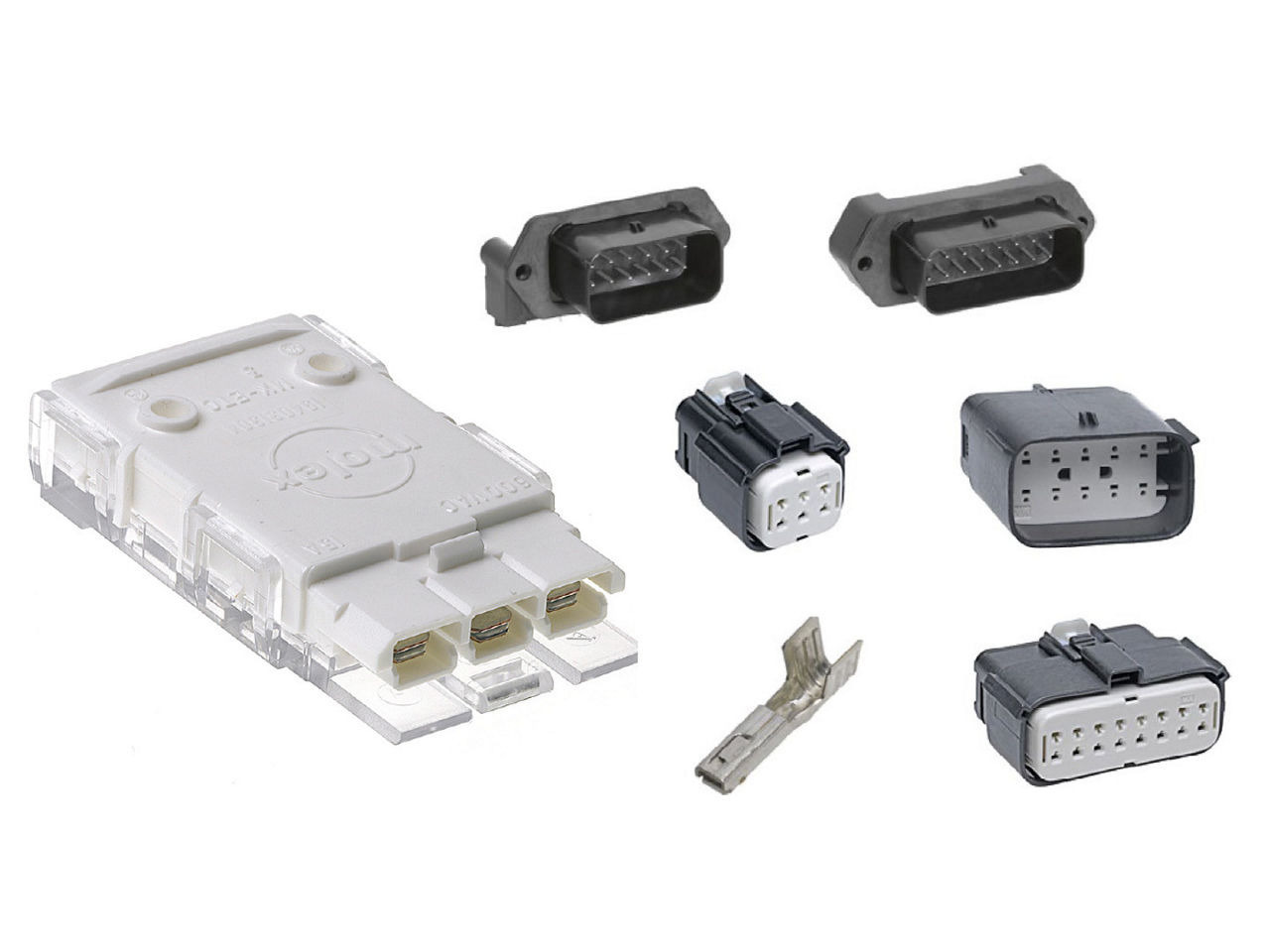
A Molex connector is an extensively operated electrical connector that facilitates protected and trustworthy connections between electronic elements. Initially developed by Molex, these connectors have evolved into critical elements in the hardware of computers, automotive designs, industrial equipment, and consumer electronics. With their enduring structure, dedicated electrical connections, and adaptable arrangements, Molex connectors persist in playing a critical part in advanced electronic systems. As applied sciences, refinements, and electronic devices become more compact and complicated, the requirement for high-performance connectors like Molex will continue to rise.
Comments
0