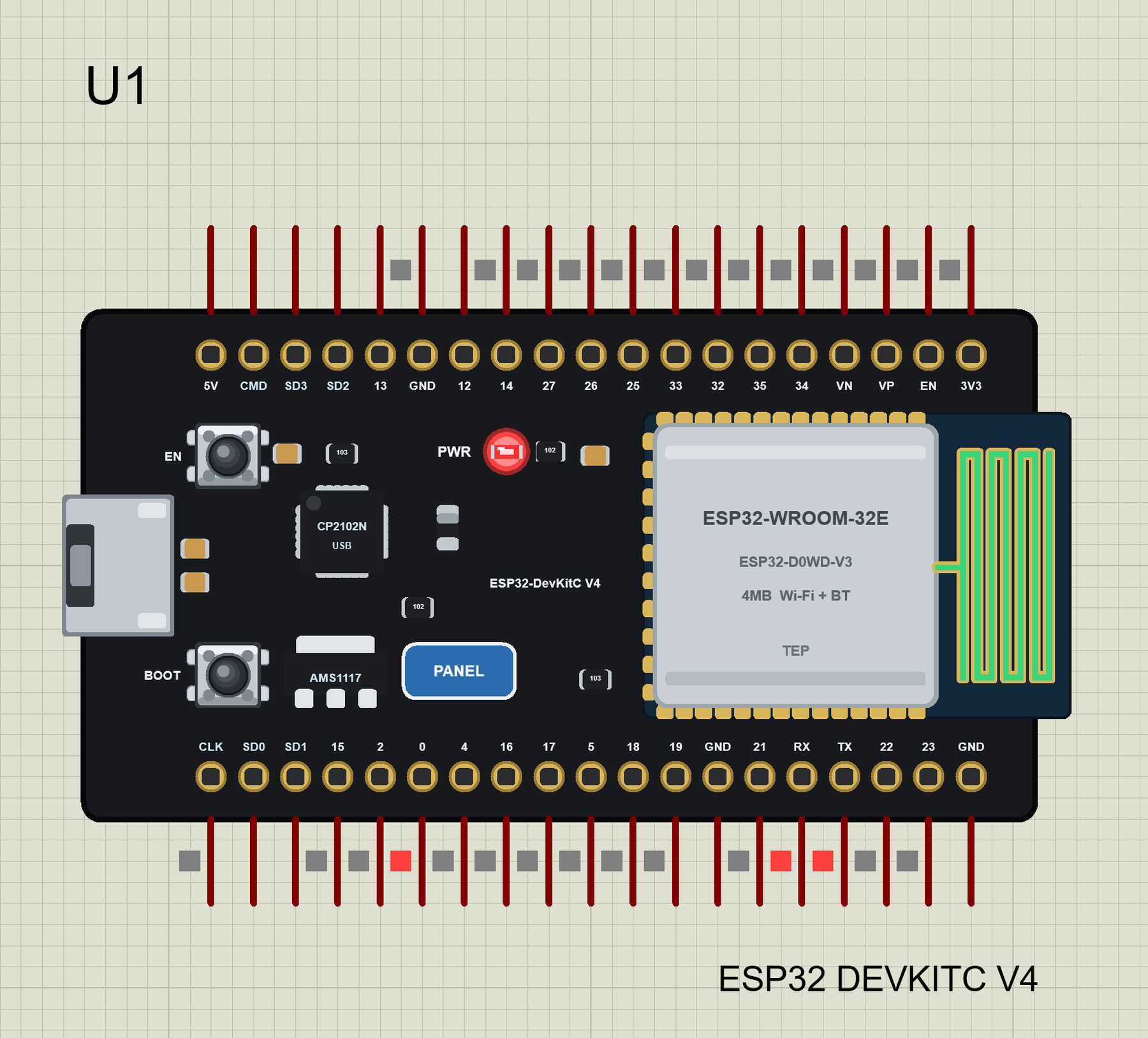
Hello friends, I hope you all are doing great. Today, I am going to share the ESP32-DevKitC V4 Library for Proteus . This is the second board of our Wi-Fi series. The first was the ESP32 DevKit V1 Library for Proteus V2.0 , the 30-pin DOIT board that runs your ESP32 sketch with Wi-Fi inside Proteus. Today it is the turn of Espressif's own development board , the 38-pin ESP32-DevKitC V4 - the board in Espressif's documentation, with every GPIO on its headers and the BOOT button on GPIO0. Updates ESP32-DevKitC V4 Library for Proteus Latest version: V1.0 (October 2026, this tutorial) Other ESP32 boards and modules: ESP32 DevKit V1 · ESP32-S3 DevKitC-1 · ESP32-C3 SuperMini · TTGO T-Display · ESP32-WROOM-32 · AirLift WiFi Shield · AirLift ESP32 Breakout · WT32-ETH01 ESP8266 modules: ESP-01 · ES ...
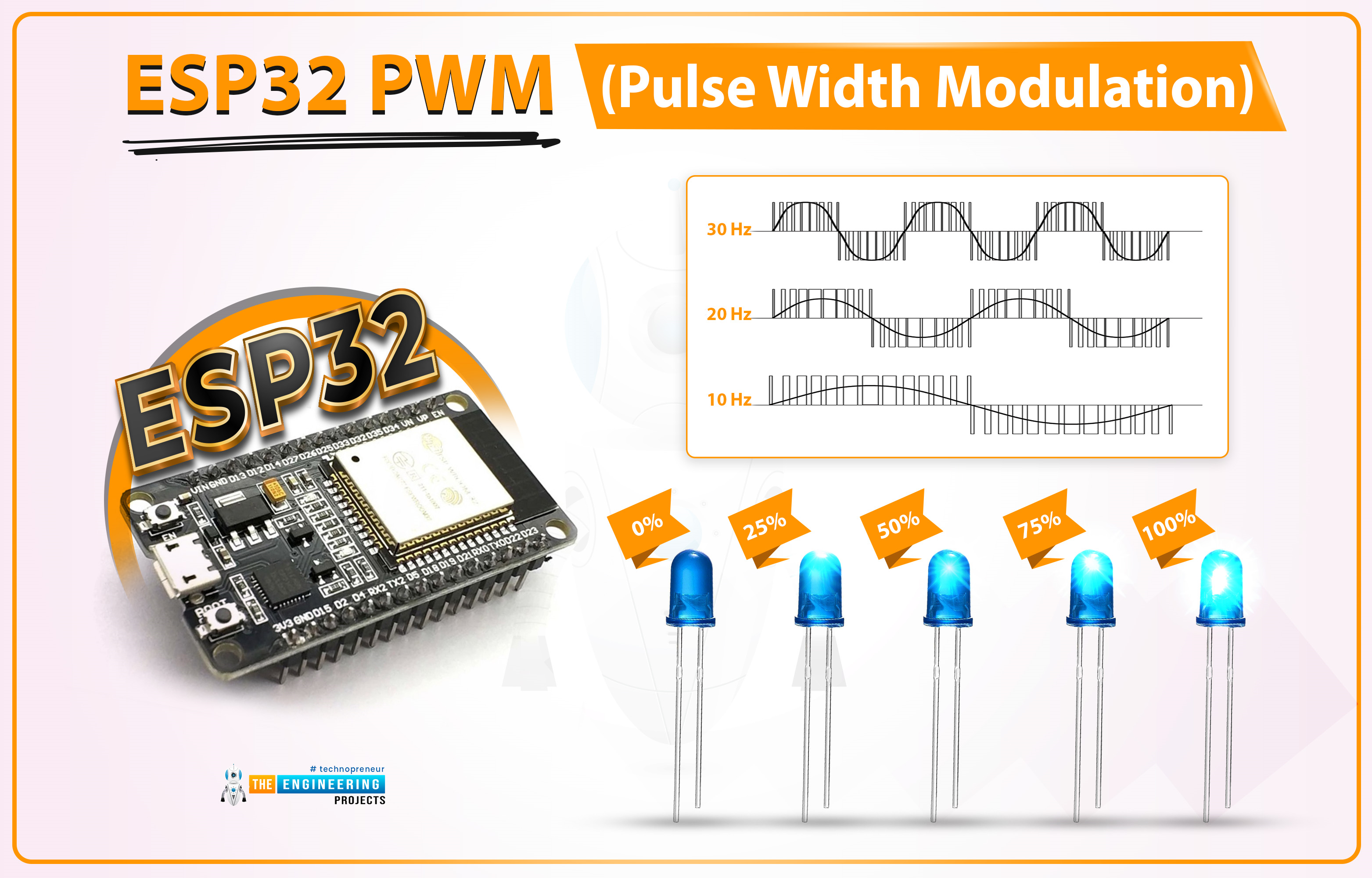
Hello readers, I hope you all are doing great. Welcome to the 3rd Lecture of Section 2 in the ESP32 Programming Series. In this tutorial, we are going to discuss another important feature of ESP32 i.e. PWM(Pulse Width Modulation) . Pulse Width Modulation is a technique to reduce the voltage by pulsating it. In today's lecture, we will first understand the basic concept of PWM, and after that will design two projects to fully grasp it. In the first project, we will control the brightness of an LED, while in the second one, we will control the speed of a DC Motor. Here's the video demonstration of PWM Control in ESP32: Before going forward, let's first have a look at the PWM working: What is Pulse Width Modulation? PWM is used to control the power delivered to the load by pulsating the ON-Ti ...