


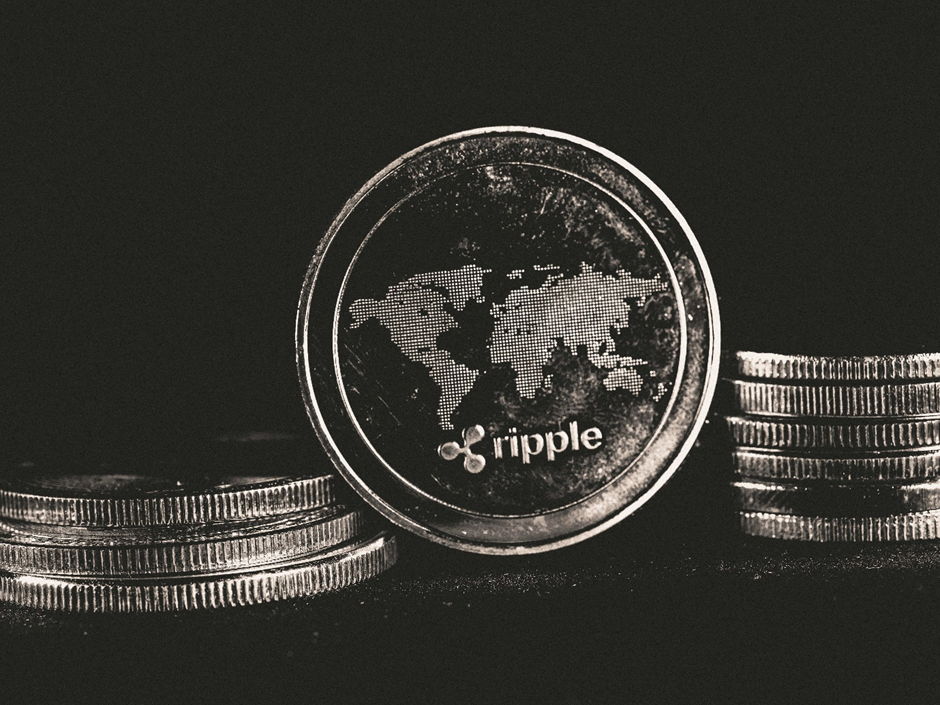
Ripple Charts: A Path through Global Compliance to Drive Expansion


Ripple sees compliance as a catalyst for growth. By working with regulators and adapting its technology to existing frameworks, the company is thriving. This legitimacy is transforming how institutions perceive digital assets, turning a niche experiment into infrastructure for mainstream finance. This blog explores how Ripple’s focus on compliance is driving growth and reshaping XRP’s position in international markets.
1. A Compliance Architecture Built for Institutional Trust
Ripple's approach to expansion begins with an unwavering commitment to regulatory compliance. It has embedded compliance into its product development lifecycle rather than launching first and addressing legalities later.
Ripple’s cross‑border payment network is built to meet money‑laundering and customer‑verification standards. Because banks are highly risk‑averse, Ripple lowers adoption barriers by showing its technology can operate within major regulatory frameworks.
This compliance-driven culture has enabled Ripple to establish relationships with an extraordinary range of financial institutions on various continents. Organizations once skeptical of blockchain now embrace Ripple as a vital bridge rather than a disruption. It proves that digital settlement requires no sacrifice of order for efficiency. For Ripple, trust is the product being sold, and compliance is the manufacturing process.
2. From Payment Rails to a Comprehensive Financial Operating System
Ripple's 2026 "Institutional DeFi" roadmap has reimagined the XRP Ledger, evolving it from a payments-centric blockchain into a comprehensive financial operating system. XRP now anchors settlement and liquidity, while new features introduce lending, borrowing, and yield generation.
By expanding XRPL's functionality, Ripple is building infrastructure that allows regulated institutions to participate in decentralized finance without sacrificing oversight. At the center of this transformation is XRP as a neutral bridge currency. It enables instant value transfer without costly pre-funded fiat accounts, reducing friction in cross-border transactions.
Accessibility through regulated exchanges such as Kraken for buying XRP keeps the asset liquid and widely available, reinforcing the network effects that drive adoption. This blend of institutional-grade technology and compliant access points creates a cycle where utility drives adoption, adoption deepens liquidity, and liquidity cements XRPL's role in global finance.
3. Securing Formal Recognition Through Compliance
Ripple's compliance-led strategy has been validated by recent authorizations granting it formal recognition as both a money services provider and a crypto operator. These procedural milestones mark a shift in regulators' view of the company.
EMI status allows Ripple to issue electronic money and facilitate payments under the same rules as traditional institutions. Crypto registration confirms its operations meet standards for consumer protection, AML safeguards, and resilience.
The implications extend beyond the licenses themselves. They signal to the financial ecosystem that Ripple has passed regulatory scrutiny. This gives partners confidence to integrate its technology. What was once a question of legality becomes a matter of implementation speed.
Success in one respected jurisdiction also influences others, creating momentum across markets. Ripple is no longer arguing that compliance is possible, but now holds the documentation that proves it.
Endnote
Ripple proves that compliance is a growth driver, not a limitation. It has become more than a payments company by integrating regulatory requirements, earning the confidence of institutions, and transforming the XRP ledger into a lending and liquidity platform. Its authorizations and partnerships demonstrate that blockchain can succeed within financial structures and provide a model in which validity drives adoption, and innovation is built on trust.

Comments
0