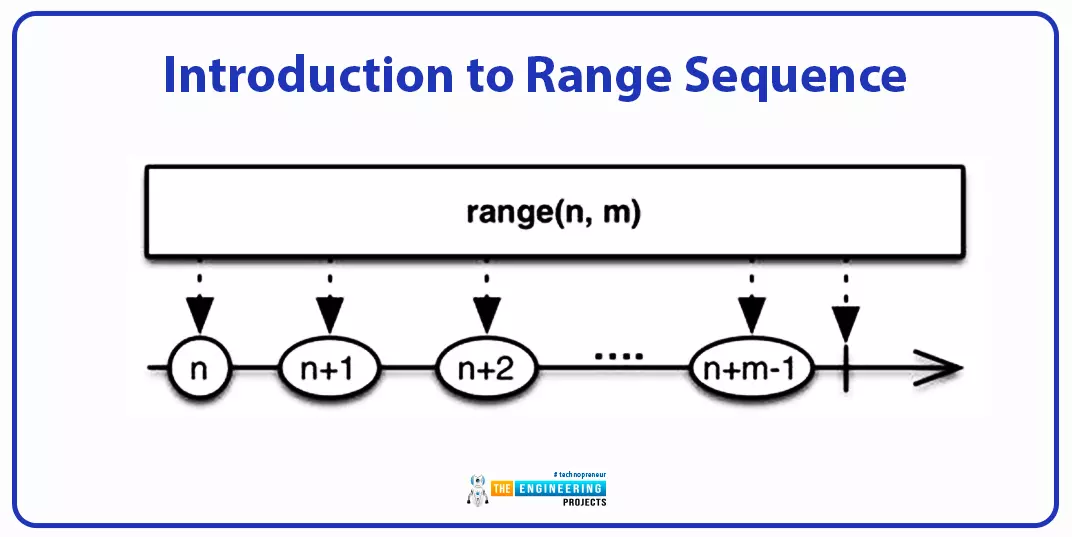
Hey peeps! Welcome to the new lecture on the sequence data type, where we are discussing the range data type. We are interested in working on deep learning, and for this, we are learning the Python programming language from scratch. If we talk about the previous episode, we saw the byte and byte array methods that were amazing for converting the different data types into bytes. The current lecture will discuss the range data type, which is slightly different from the other types of sequences, so students will learn new and interesting concepts in the lecture; however, before we get into the details of our topic, take a look at today's highlights: What is the range function? How can you elaborate on the syntax of the range function in detail? What are the three types of range functions? Giv ...
Hey pupils! Welcome to the new tutorial on deep learning, where we are in the section on Python learning. In the previous lecture, we were discussing the tuple data type, which is a sub-class of sequences. In the present lecture, the discussion will be about the byte sequence and byte array. The whole discussion is cleared with the help of practical implementation in TensorFlow by using simple and easy codes. If you understand the concepts of list and tuple, then this lecture will be easy for you. Yet, before going into the details of this topic, you must know the highlights of the content discussed in this lecture: What is the byte method in Python? How can you use byte in TensorFlow? What are some examples of bytes? Give examples of error handling in bytes. How can you convert integers i ...
Hey peeps! Welcome to another tutorial on data types in Python. Our purpose in Python education is to get a grip on the basic concepts so that we may work on deep learning easily. In the previous lecture, we read a lot about lists as we are working on the subtypes of the sequence data type. In the present lecture, you are going to understand more types of sequences. If you know the list well, this lecture will be a piece of cake for you. We will start the introductions in just a bit, but before that, there must be a quick review of the topics that you are going to understand: How do you introduce the tuples in Python? What are some important characteristics of a tuple that must be kept in mind when we are dealing with it? How can you practically perform the tuples in TensorFlow? How do you ...
Hey, peep! This is a connected tutorial from the previous one where we saw the detail of numeric data types. This time, we are moving forward with the other data types in Python. We are understanding all these concepts with the help of examples and practising the little but understandable codes in TensorFlow. Different types of operations are also performed on these data types so that you may have an idea of why we are differentiating all these data types and how we can categorize all of them into different groups. Keep in mind that all of these concepts are for deep learning, and we want to make sure that we will not face any problems in the complex work of deep learning; therefore, we are moving slowly and steadily in Python. So, have a look at the content you are learning in this tutori ...
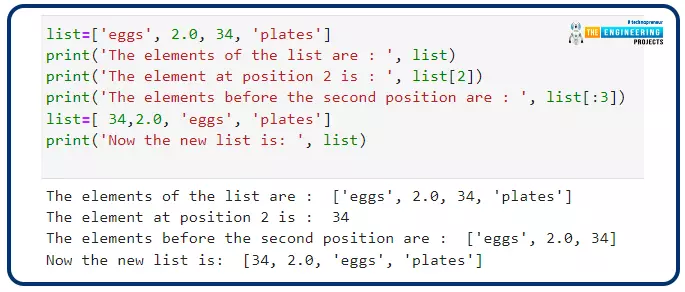
Hey fellow! Welcome to the next episode of the Python series, where we are learning the basics of Python to implement them in deep learning. In the previous lecture, our focus was on string data types. With the practical implementation of TensorFlow, many interesting points were discussed in depth. I hope you completed the home task that I assigned you during that lecture. Today, we are moving forward with the next data type, which is a sequence. You will know the different sub-groups of this data type as well in the next lecture, but today, the focus will be totally on the list because, once you understand them well, other data types of the sequence will be at your fingertips. Yet before starting, it's time to look at the content that you will learn today: What is a sequence? How do you c ...
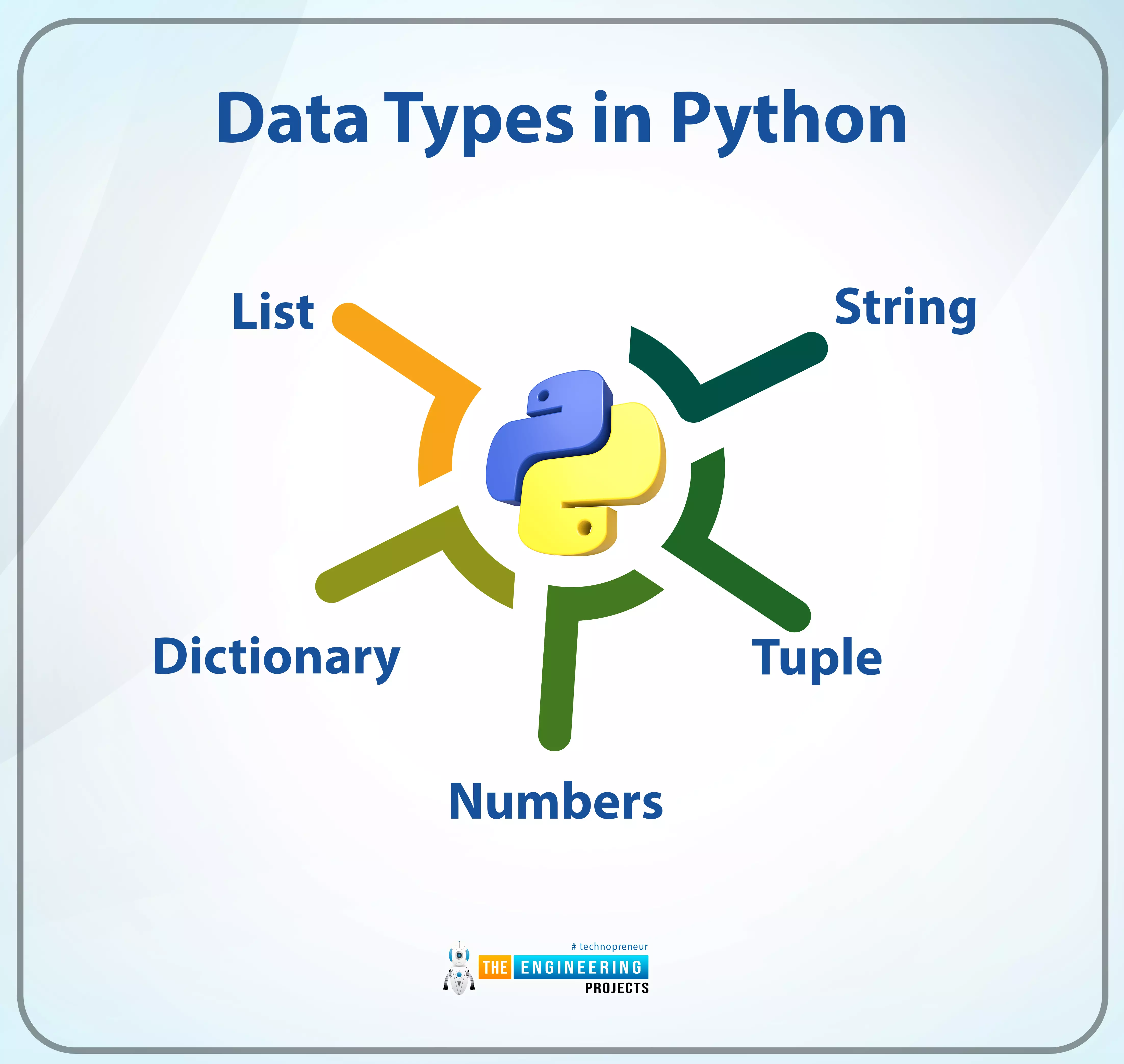
Hello learners! Welcome to the engineering projects where we are working on deep learning. In this series, we are at the part where Python is under our observation. In the last session, we saw the Python built-in functions and the practical implementation of some important pre-defined functions of Python. In the current lecture, you will learn about the fundamental concept of Python. It is not wrong to say that if you want to work in any high-level programming language, you have to understand its data types; otherwise, you will not be able to code complex or long programs using it. More details will be discussed in the next section, but before this, you should have a glance at the concepts you will learn in this tutorial. What are the data types? How are Python data types different from ot ...
Hey peeps! Welcome to an exciting tutorial on Python in which you will learn about the Python reverse list. We are on a series of deep learning phases where Python is under our observation. In the last tutorial, we saw the variables in Python and practised many codes in the TensorFlow. Today, we are interested to practice many interesting methods in an easy way. These are the built-in functions and you do not have to be an expert in the programming to perform them in TensorFlow. All you need is to read this tutorial and have the TensorFlow working fine. Before going deep into the topic, it is important to have a look at the list of content that you will learn today: How do you define the python reverse list? Why we should know about the python reverse list or keywords? How do you practice ...
Hey learners! Welcome to the new lecture on deep learning, where we are using TensorFlow to learn it with the help of Python. Previously, we worked on the syntax of Python, and now it's time to discuss the variables in detail. There are some variables that you will learn about as well as get hands-on experience within TensorFlow. These are important concepts that will help you throughout your coding career. If you are new to programming, this is a crucial concept for you, and if you know it already, you can use this tutorial to polish your concepts. We will move forward after looking at the list of content for this lecture: What are the variables in Python? How do you assign the value to the name of the variable in Python? What are some rules to define the name of the variables? How do you ...
Hey learners! Welcome to another deep learning tutorial, in which we are beginning the practical implementation of Python on the TensorFlow library. We installed and checked TensorFlow in detail while we were in the previous lecture, and today we are going to use it for our practice. We have checked the presence of a perfectly installed library of TensorFlow in our tutorials and seen the basic structure of this library. As a result, we will skip the details and jump right into learning Python. In this tutorial, the main focus will be on Python instead of learning the workings of TensorFlow. You have to remember one thing: all the discussion will be from the point of view of deep learning, and it is not a general tutorial in which you will learn to develop apps or have a discussion about th ...
Hey students! Welcome to the fantastic tutorial of this series, where we are talking about deep learning. Till now, the discussion has been about artificial intelligence, deep learning, and TensorFlow, but today’s lecture will change the type of discussion from the previous one. You will see that we will now talk a lot about the Python programming language and will connect all the discussions with TensorFlow. You will see the reason for both of these choices in just a bit, but before that, I want to show you the list of the concepts that will be cleared today: What is the Python programming language when we are talking about deep learning? Why did we select Python for deep learning when there were other options? What is the importance of TensorFlow when we are learning deep learning by kee ...