Welcome to chapter 6 of our python course. Previously, we introduced integers and saw how they may be combined with strings and stored in variables. Today, we'll take a closer look at the python number types and how they're stored in variables to see what actions are possible. What you'll learn in this tutorial is how to: Add, subtract, multiply, and divide numbers. Work with modular. Use exponents. Use expressions. Use a predetermined number of decimal places to round numbers Use strings to format and show numeric data. With this in mind, let`s start. How are integers created? Integers can be created by simply inputting a number. For example, the tutorial variable is assigned the integer 6 in the following way: >>>Tutorial = 6 In this case, the integer literal is 6 since it is written int ...
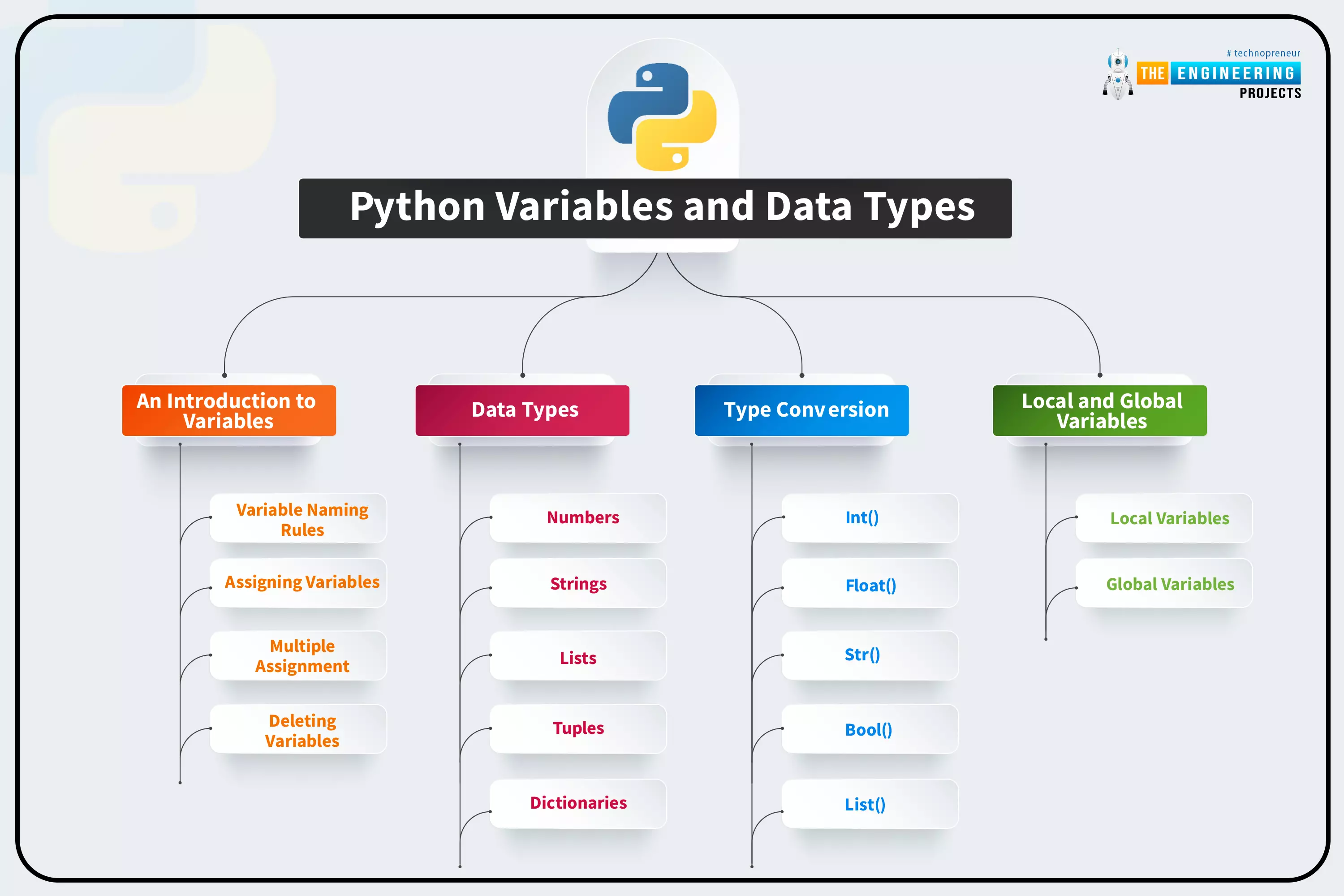
Welcome back! This is the fifth lesson in our Python programming course. In the last chapter, we discussed how string data types are used in Python. In this tutorial, we’re going to discuss variables in python and the rules for naming them in Python. In addition, you'll learn the fundamentals of working with numbers and strings. What are variables? All programming languages use variables as a fundamental building block of their language. It is the allocation of memory that is dedicated to data storage and manipulation. Variables are program elements that keep track of data. The following is an example of a variable. x = 100 It's called x in the diagram below, and it has a value of 100 in it. In this case, the variable name is x, and the data it contains is the number. For a variable, its d ...
Welcome to the fourth lesson of this python course. Our previous session taught us how to utilize the print function in python , so we have a firm grasp of the terminology and the functions themselves. In this lesson, we'll cover a few more Python terms, such as: Strings Operators Input function Also, we'll build a simple program to print out an imagined dog so that we may better grasp how these concepts are employed. So, let's get started now. Why do we need to understand these terms? Programming is a lot like building a structure out of blocks. Even with just a few types of children's toy blocks and some time and imagination, you can build anything. Because we'll be utilizing these phrases all the time in programming, it's critical that you know what they mean and how to use them. What e ...
The "Hello, World!" program is a computer programming classic that has stood the test of time. For beginners, "Hello, World!" is a simple and full first program that introduces the basic syntax of programming languages and can be used to evaluate systems and programming environments. The more you learn about Python, the more you may use it for your own purposes. Data analyst, application developer, or the ability to automate your work processes are all examples of jobs that can be automated. This Python 3 tutorial will show you how to create a simple "Hello, World" program. Python's basic syntax and components include the following: Variable-types Data structures Math operators loops Different function calls Input and output functions Interfaces and classes APIs memorize the syntax. Python ...
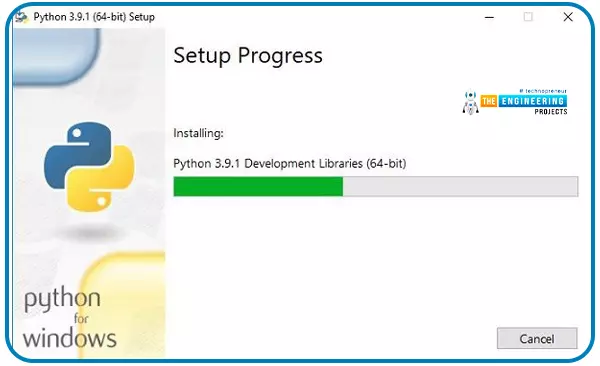
The first step to becoming a Python coder is to install or update Python on your computer. Python can be installed in a variety of ways, including through the official Python.org distribution, a software package manager, the IoT (Internet of Things) and scientific computing, just to name a few. In this article, we'll be using official Python distributions, which are often the best option for beginners. What will you learn from this? How to check if you have the right Python release installed on your computer before proceeding. Installation of Python3 on Windows pc and Linux machine. How to use Python on the web with the help of online interpreters. INSTALLING REQUIRED PYTHON ENVIRONMENTS Installing the most recent versions of Python and the packages you'll need to experiment with is a good ...
Greetings! I sincerely hope everything is going well for you all. In this course, we are going to learn step-by-step how to program in Python. The course covers all you need to know about the Python language, from installation to advanced topics. In addition, we'll talk about Python career jobs and do a few projects to strengthen your skills. According to my research, Python is among the top programming languages in use today. (I mean, no offense). Since I am also a Python programmer, I may sound a little prejudiced, but I can certainly declare that I am a huge fan of the language. This tutorial series is meant for absolute beginners with no prior knowledge of python programming, it is also of great help for experienced python programmers looking to brush up on their knowledge. Anyway, let ...
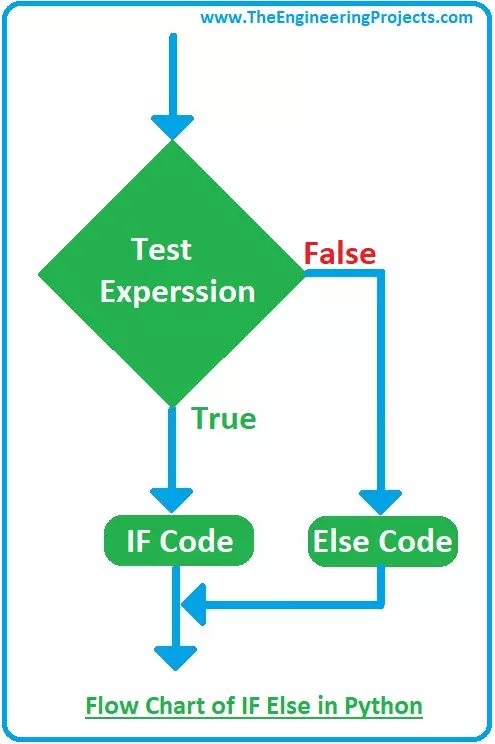
Hello friends, I hope you all are doing great. In today's tutorial, I am going to show you How to use IF Else in Python. It's our 5th tutorial in python series. In our previous lectures, we have covered the detailed Introduction to Python and then we have also discussed Data Types in Python & How to use Strings in Python . So, now it's time to move on a little further. In today's tutorial, we will cover If else statement in python and its not that difficult to understand but quite an essential one as its use a lot in programming projects. So, let's get started with How to use IF Else Statement in Python: How to use IF Else Statement in Python IF Else Statement in python takes a Boolean Test Expression as an input, if this Boolean expression returns TRUE then code in IF body will get execut ...
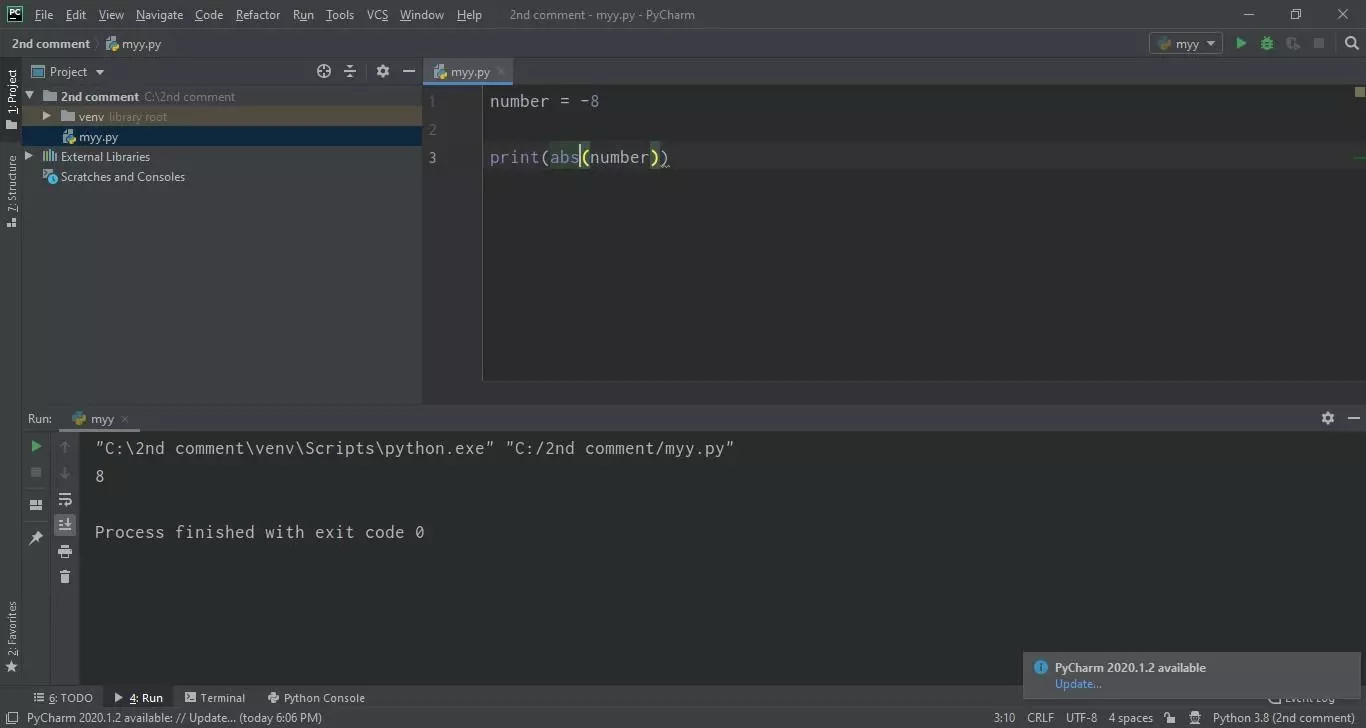
Hello friends, I hope you all are ding great. In today's tutorial, I am going to show you How to use Arithmetic Operators in Python. It's our fourth tutorial in Python series. Arithmetic operators are required in mathematical problem solving. We will first have a look at the arithmetic operators and after that, we also discuss different builtin arithmetic functions in Python Math module. So, let's get started: Arithmetic Operators in Python Arithmetic operators ( +, -, *, /, ^ etc. ) are used to perform simple arithmetic operations in python. So, let's open up your PyCharm and perform a simple task using these operators, as shown in below figure: I used a single star for multiplication and a double star for the square power. It is showing the results of the operations, which it is performi ...
Hello friends, I hope you all are doing great. In today's tutorial, we will have a look at How to use String in Python. It's our 3rd tutorial in Python series. We have discussed strings in our previous lecture How to use Data Types in Python . String is a most commonly used data type in python that's why I have created a separate lecture on it. Python has many built-in string operations, which we will discuss today in detail. So, let's get started with String in Python: How to use String in Python String Data Type is used to store or collect one or more characters or sequence of characters, we can place any alphanumerical or special character in a string. Let's create a string in python, it has a simple syntax, as shown below: first_var = "Hello World" There are two sorts of strings, we ca ...
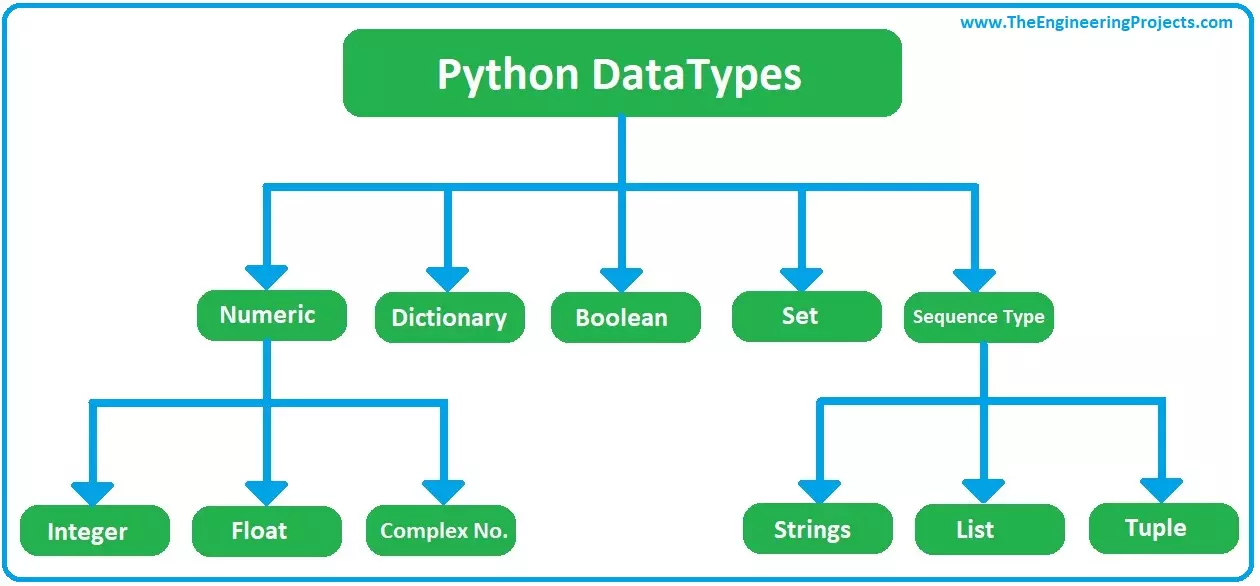
Hello friends, I hope you all are doing great. In today's tutorial, I am going to show you How to use Data types in Python . It's our 2nd tutorial in Python series. In our first tutorial, we have seen a detailed introduction to python and we have also installed PyCharm IDE to work on python. Today, we will understand data types in detail as in order to design an efficient program, you need to select correct data types. Incorrect selection may cause memory loss and may slow your application. So, let's get started with data types in Python: Data types in Python Data Types are used for the classification or categorization of similar data packets. There are numerous data types available in python, which we can use depending on our projects' requirement. Let's understand data types with an exam ...