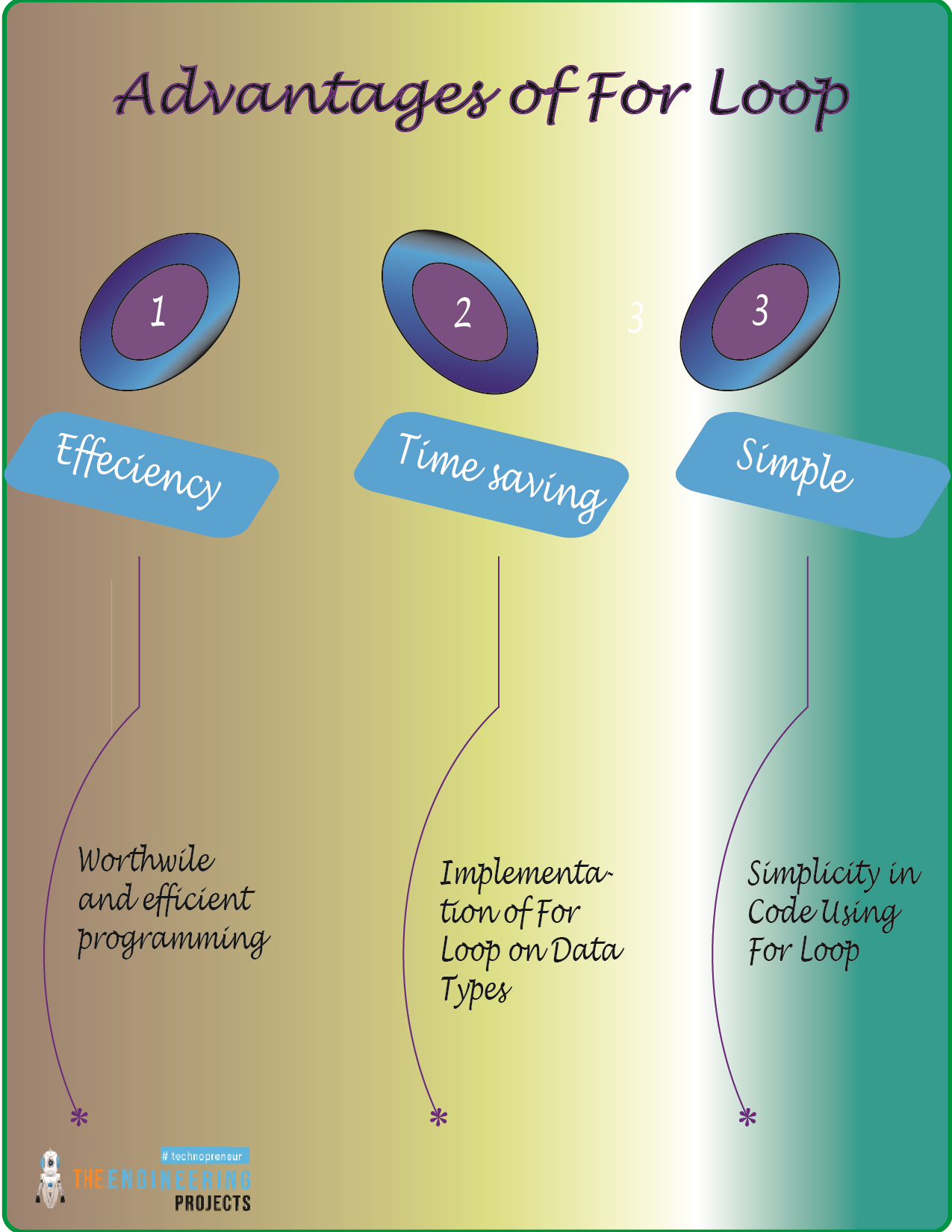
Hey peeps! Welcome to the new tutorial for the Python programming language, where we are at the point where we are going to learn about the loops. Loops are fundamental concepts in programming, and if we talk about Python, there is a smaller variety of loops in it, but the most important ones are available to practice in Python. In the last session, there was a long discussion about the while loop in detail. We had seen some examples and the details of the statements that can be used within the while loop. In the present lecture, we are going to discuss the second type of loop in Python, that is, the for loop. You will go through the training of every important and basic step about this loop, but first of all, you have to look at the basic list:
Why do we prefer for loop over some other c ...
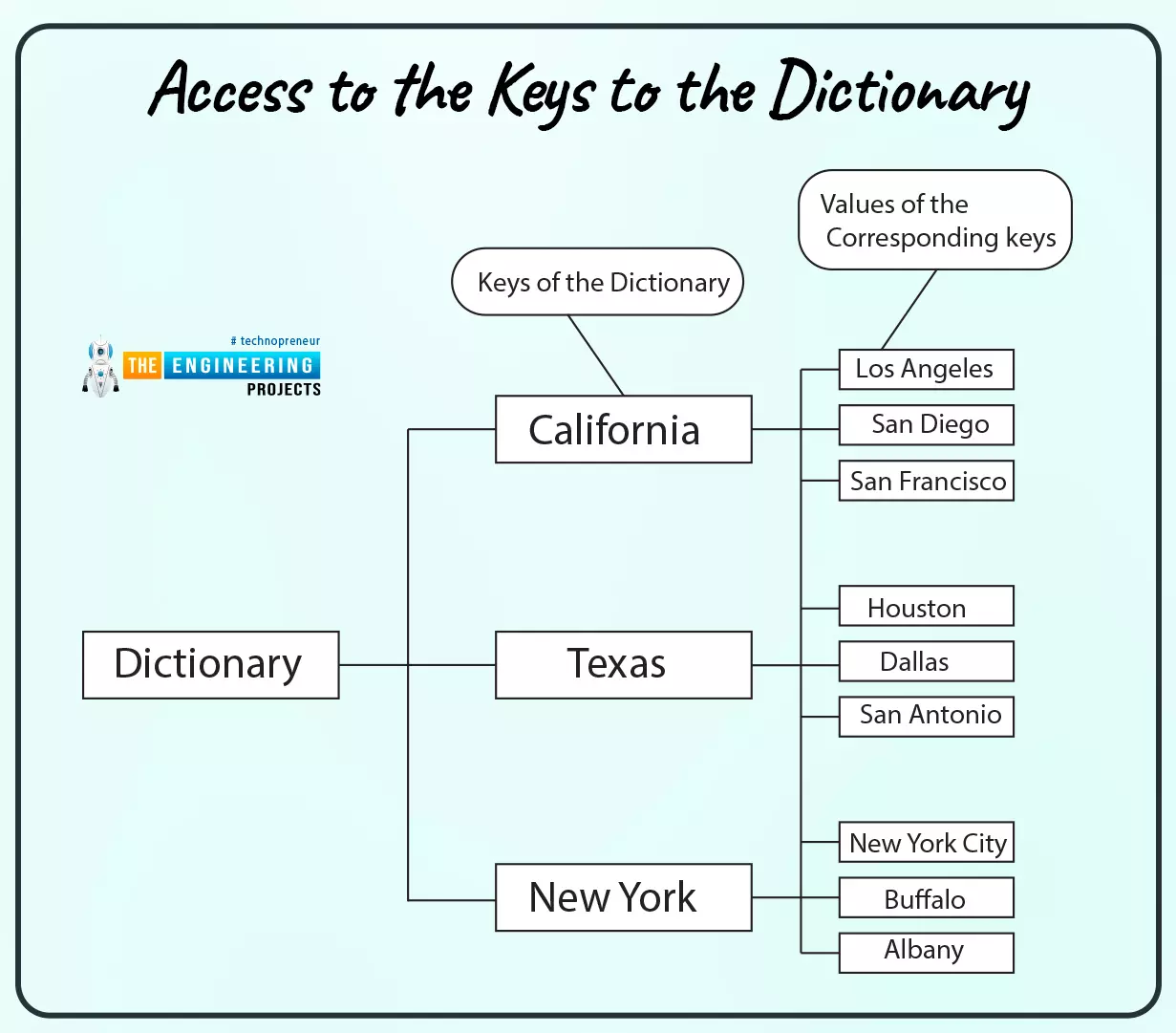
Hello! Welcome to the next lesson in this Python course. In the last session, we learned about python tracebacks and how to deal with them. A dictionary, like a list, is a collection of items, and we'll look at that in this tutorial as well.
What will you learn?
This tutorial introduces you to the fundamentals of dictionaries in Python and teaches you how to work with dictionary data. After reading this article, you should be able to tell when and how to utilize a dictionary as a data type.
Characteristics of Dictionaries and lists
Both can be changed (mutability).
A dynamic relationship exists between them. When needed, they're able to expand and contract.
Both are nestable. Another list can be ...
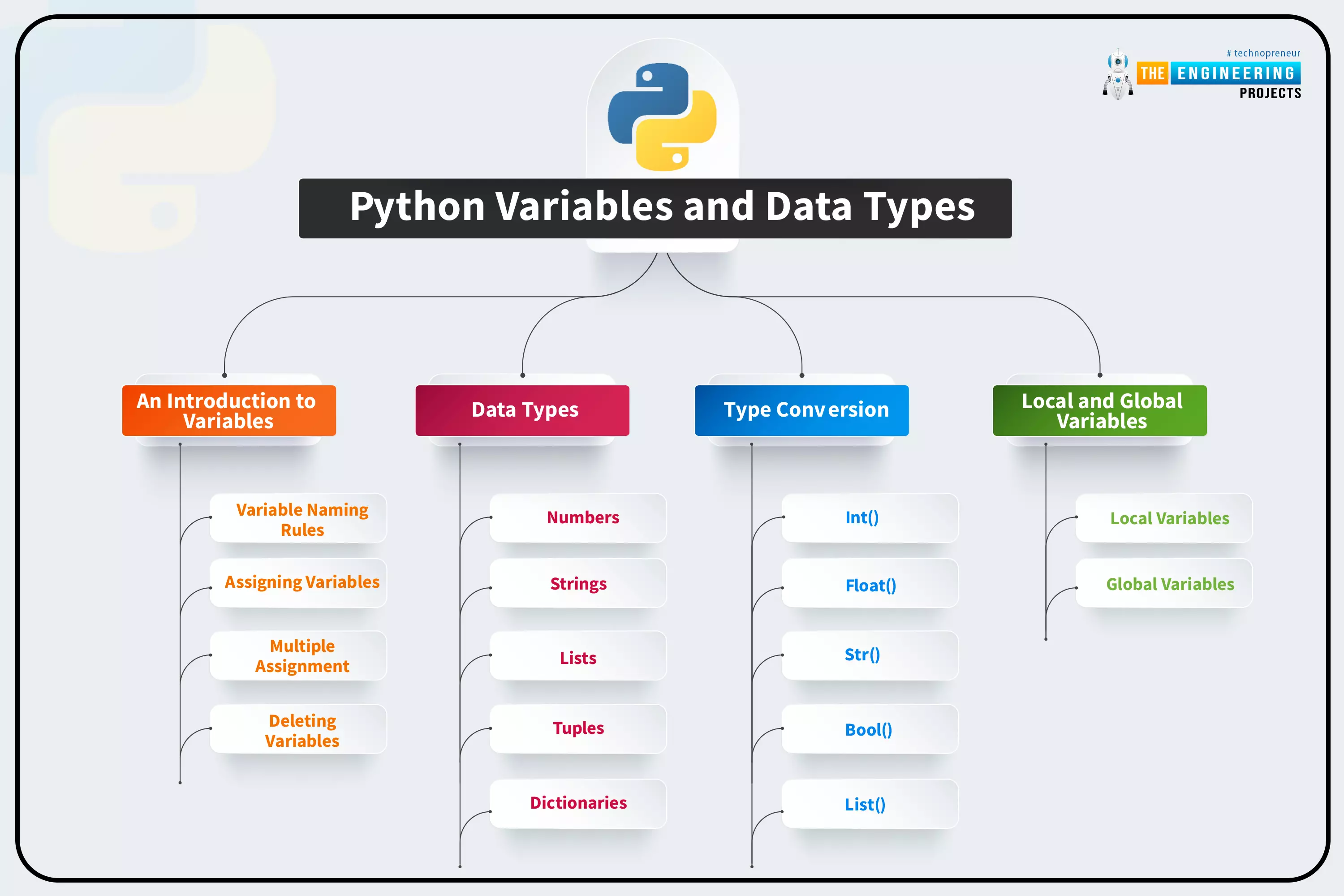
Welcome back! This is the fifth lesson in our Python programming course. In the last chapter, we discussed how string data types are used in Python. In this tutorial, we’re going to discuss variables in python and the rules for naming them in Python. In addition, you'll learn the fundamentals of working with numbers and strings.
What are variables?
All programming languages use variables as a fundamental building block of their language. It is the allocation of memory that is dedicated to data storage and manipulation. Variables are program elements that keep track of data. The following is an example of a variable.
x = 100
It's called x in the diagram below, and it has a value of 100 in it. In this case, the variable name is x, and the data it c ...
Hello Engineers! Hope you all are doing great. In today's tutorial, I am giving you a detailed lecture on Python programming language. As I am writing this tutorial for beginners, that's why I will discuss each & everything in detail, so it's going to be a very lengthy tutorial and I have divided it in parts.
We will start from basic concepts in Python and will slowly move towards advanced concepts. It's going to be a quite long bumpy ride but I will try my best to make it as smooth as I can. So, let's get started with basic Introduction to Python Language:
Introduction to python
Python is a multi-purpose, object-oriented High-Level Programming language, with applications in multiple areas, including scripting, machine learning, data scienc ...
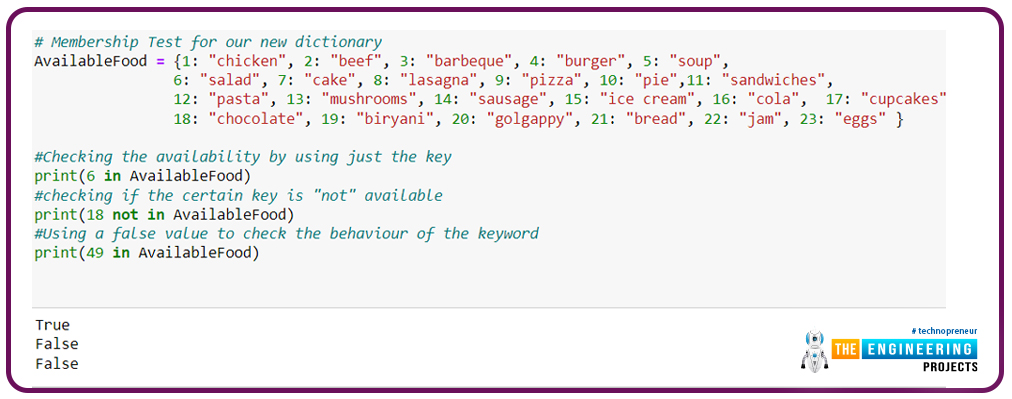
Hello peeps! Welcome to the new episode of the Python tutorial. We have been working with different types of data collection in Python, and it is amazing to see that there are several ways to store and retrieve data. In the previous lecture, our focus was on the basics of dictionaries. We observed that there are many important topics in the dictionaries, and we must know all of them to make our base of concepts solid. For this, we are now dealing with the dictionaries in different ways, and this tutorial is going to be very interesting because we will pay more heed to the practical work and, by choosing a few cases in our codes, we will apply multiple operations to them. So have the highlights of today’s learning, and then we will move forward with the concepts.
What are nested diction ...
Welcome to the next tutorial of our python course. We learned about python numbers in the last tutorial, and in this tutorial, Data types in Python include, dictionaries, sets, and Boolean, among others. We'll give a quick overview of the above data types in this section but later in this course, we'll go over each of them in-depth.
Introduction
In the Python programming language, data types are a necessary concept. Python assigns a data type to each value. Data Types are used to classify data objects or to assign a value to a data category. It aids in comprehending the many operations that can be applied to a value.
Python considers everything to be an object. Classes are represented by data types in Python. Variables are the names given to the ...
Welcome to chapter 6 of our python course. Previously, we introduced integers and saw how they may be combined with strings and stored in variables. Today, we'll take a closer look at the python number types and how they're stored in variables to see what actions are possible.
What you'll learn in this tutorial is how to:
Add, subtract, multiply, and divide numbers.
Work with modular.
Use exponents.
Use expressions.
Use a predetermined number of decimal places to round numbers
Use strings to format and show numeric data.
With this in mind, let`s start.
How are integers created?
Integers can be created by simply inputting a number. For example, the tutorial variable is assigned the integer 6 in the following way:
>>>Tutori ...
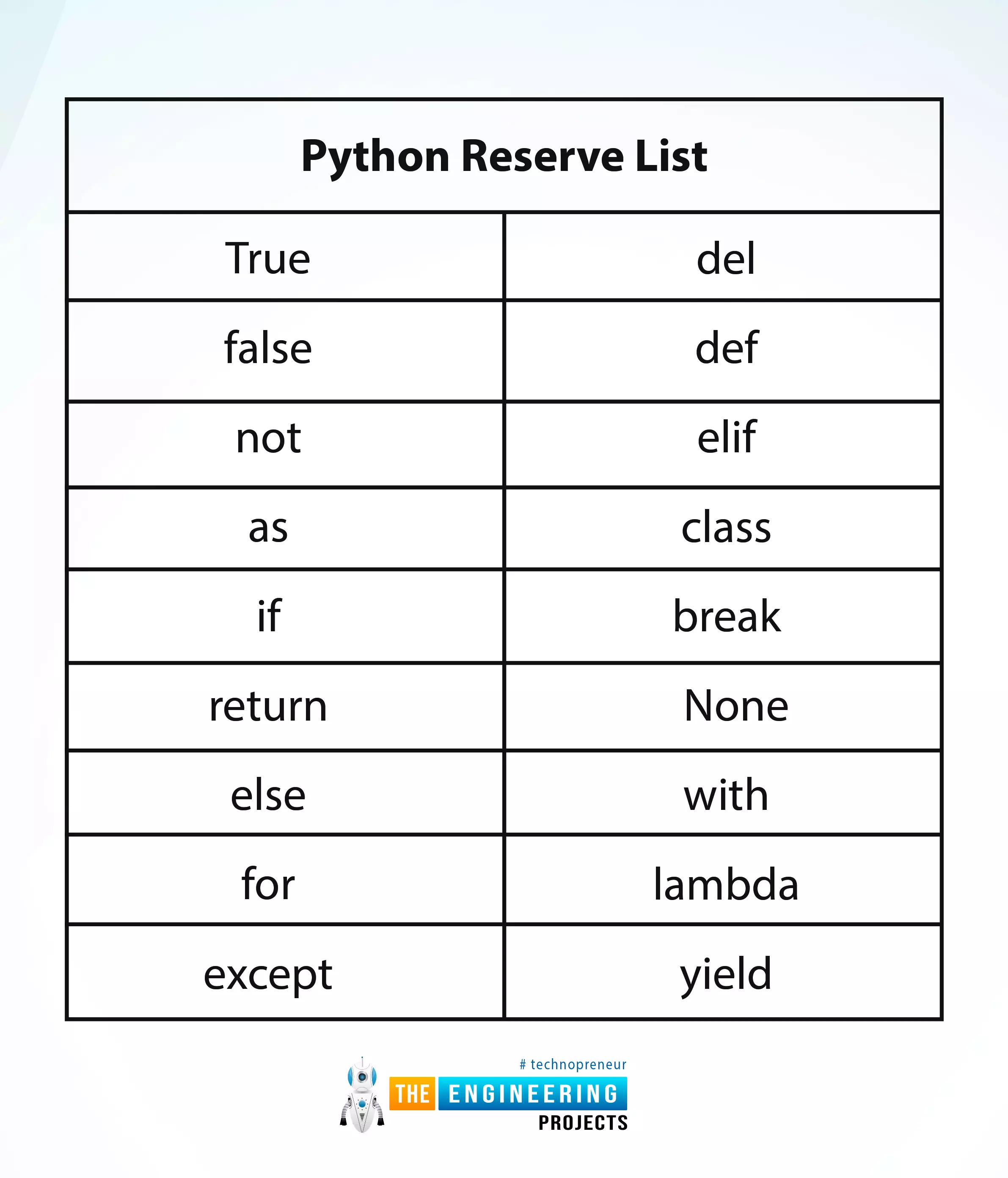
Hey peeps! Welcome to an exciting tutorial on Python in which you will learn about the Python reverse list. We are on a series of deep learning phases where Python is under our observation. In the last tutorial, we saw the variables in Python and practised many codes in the TensorFlow. Today, we are interested to practice many interesting methods in an easy way. These are the built-in functions and you do not have to be an expert in the programming to perform them in TensorFlow. All you need is to read this tutorial and have the TensorFlow working fine. Before going deep into the topic, it is important to have a look at the list of content that you will learn today:
How do you define the python reverse list?
Why we should know about the python reverse list or keywords?
How do you practi ...
Welcome to chapter 9 of our python tutorial. In the previous chapter, we looked at frequent examples of invalid Python syntax and learned how to fix them. Up to this point, you are well aware of errors that may occur in your Python program and how you can solve them easily and quickly. Therefore, in this tutorial, we will look at a few more causes of syntax errors and zero-error divisions.
Mistaking Dictionary Syntax
As you learned before, omitting the comma from a dictionary element can result in a syntax error. In Python dictionaries, the equals symbol (=) is used instead of a colon to separate key and value pairs.
This error message is once again useless. In this case, the repeated line and caret come ...
Hey learners! Welcome to the new lecture on deep learning, where we are using TensorFlow to learn it with the help of Python. Previously, we worked on the syntax of Python, and now it's time to discuss the variables in detail. There are some variables that you will learn about as well as get hands-on experience within TensorFlow. These are important concepts that will help you throughout your coding career. If you are new to programming, this is a crucial concept for you, and if you know it already, you can use this tutorial to polish your concepts. We will move forward after looking at the list of content for this lecture:
What are the variables in Python?
How do you assign the value to the name of the variable in Python?
What are some rules to define the name of the variables?
How ...