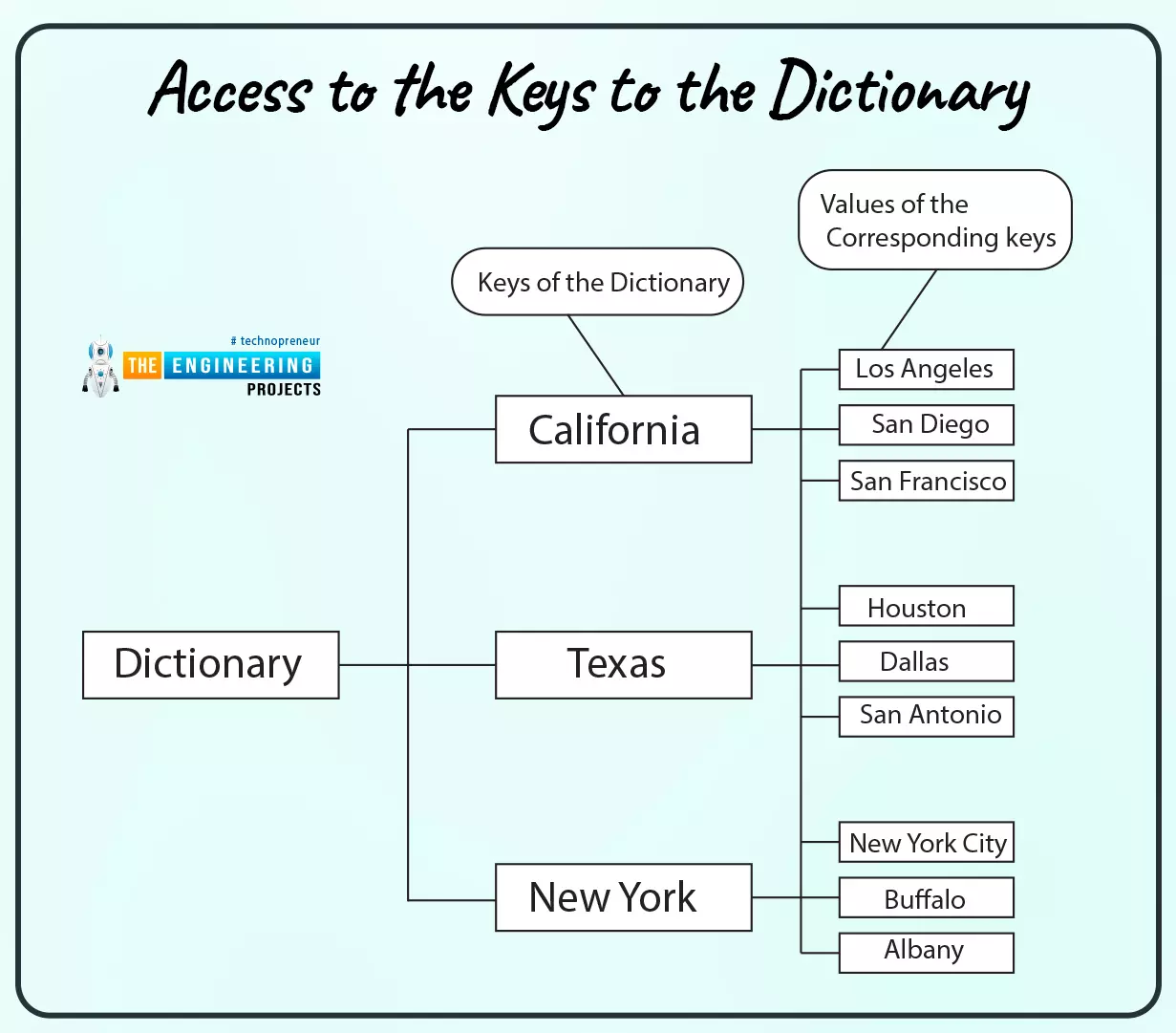
Hello! Welcome to the next lesson in this Python course. In the last session, we learned about python tracebacks and how to deal with them. A dictionary, like a list, is a collection of items, and we'll look at that in this tutorial as well.
What will you learn?
This tutorial introduces you to the fundamentals of dictionaries in Python and teaches you how to work with dictionary data. After reading this article, you should be able to tell when and how to utilize a dictionary as a data type.
Characteristics of Dictionaries and lists
Both can be changed (mutability).
A dynamic relationship exists between them. When needed, they're able to expand and contract.
Both are nestable. Another list can be ...
Web scraping is an invaluable skill in today's data-driven world. However, it must be performed responsibly and efficiently for optimal results. Here are our top 9 best practices that promise smooth execution of your upcoming web scraping projects.
Setting the Stage: Understanding Basic Rules of Python-based Web Scraping
Diving into web scraping can be a truly exciting venture, but it's crucial you understand the basic rules first, and have a handle on Python itself
. Before coding your web scraping script in Python:Do enough research on the site or API you intend to scrape.Know what kind of data is available and how that data is structured.Analyzing websites also aids in understanding the HTML tags for effective extraction.Have clarity on wheth ...
Welcome to the tenth lesson of our python course. In the previous tutorial, you learned about syntax errors in Python, and in this lesson, we will look at one more error notice that is given by Python when there is an error in your code. So, without further ado, let's get started.
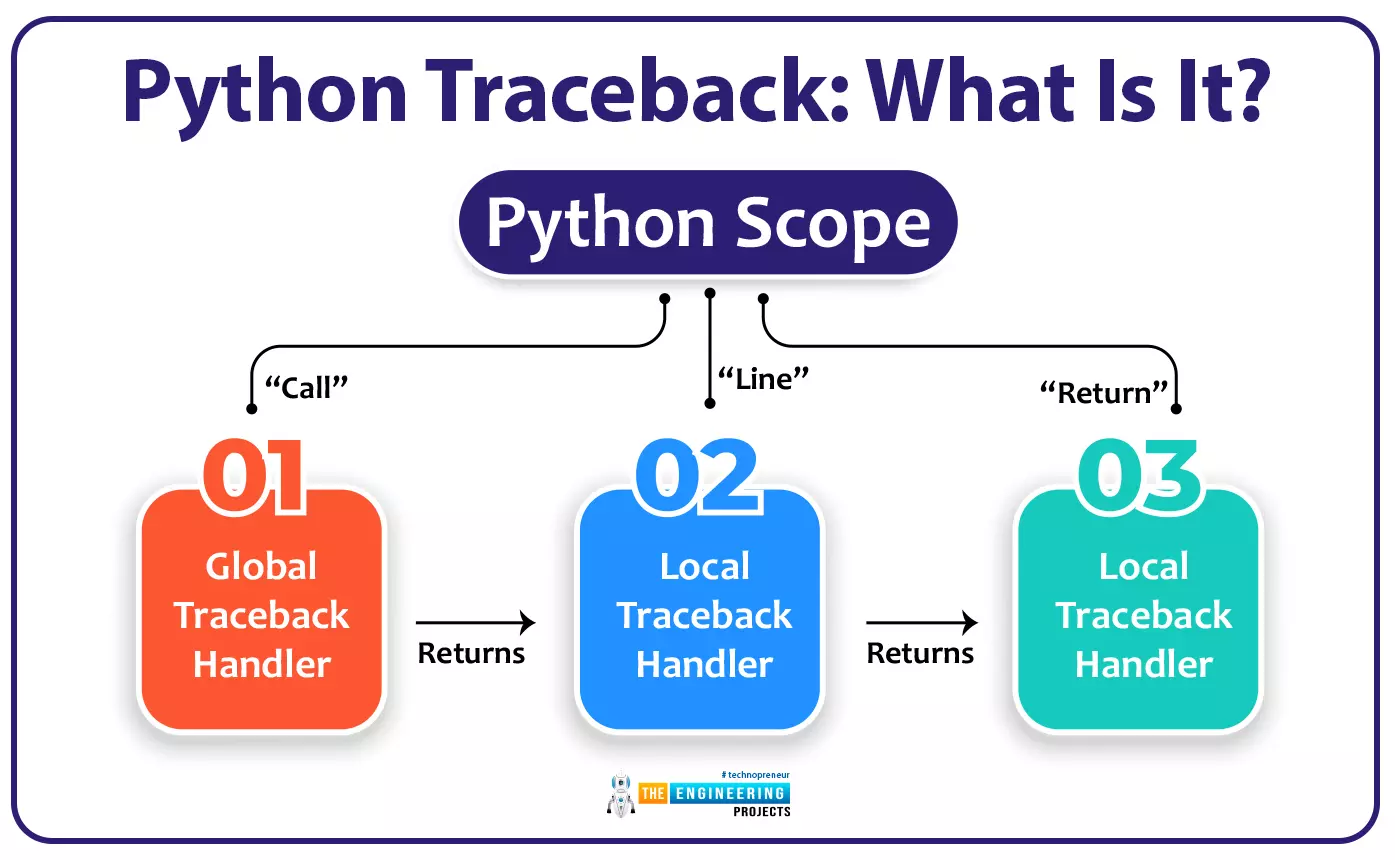
Any time an exception is thrown in your code, Python shows you the stack trace. If you don't know what the traceback output is showing you, it can be a little overwhelming. Python's traceback, on the other hand, provides a goldmine of information that can assist you in figuring out why an exception was triggered in your code and fix it. It's essential to learn how to use Python traceback to become a better coder.
After completi ...
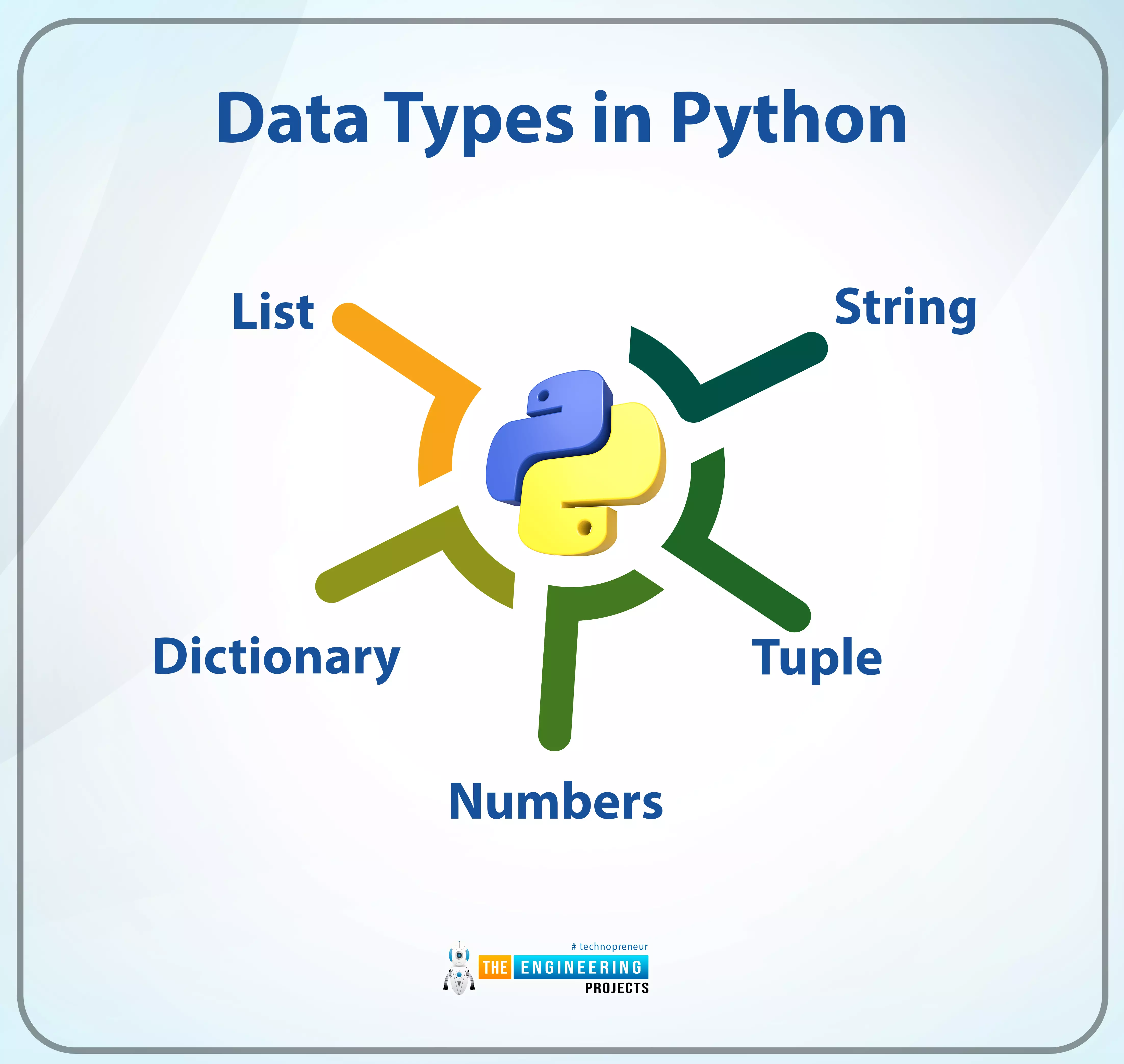
Welcome to the next tutorial of our python course. We learned about python numbers in the last tutorial, and in this tutorial, Data types in Python include, dictionaries, sets, and Boolean, among others. We'll give a quick overview of the above data types in this section but later in this course, we'll go over each of them in-depth.
Introduction
In the Python programming language, data types are a necessary concept. Python assigns a data type to each value. Data Types are used to classify data objects or to assign a value to a data category. It aids in comprehending the many operations that can be applied to a value.
Python considers everything to be an object. Classes are represented by data types in Python. Variables are the names given to the ...
Hey, peep! This is a connected tutorial from the previous one where we saw the detail of numeric data types. This time, we are moving forward with the other data types in Python. We are understanding all these concepts with the help of examples and practising the little but understandable codes in TensorFlow. Different types of operations are also performed on these data types so that you may have an idea of why we are differentiating all these data types and how we can categorize all of them into different groups. Keep in mind that all of these concepts are for deep learning, and we want to make sure that we will not face any problems in the complex work of deep learning; therefore, we are moving slowly and steadily in Python. So, have a look at the content you are learning in this ...
Greetings Learners! Welcome to the new lecture on Python. Today we are moving towards an interesting and important concept. If you have come from a programming background, then you must know about the workings of loops. To make the repetition of the same sequence, we use loops. We are familiar with the sequences in detail as we have learned them in the previous lectures and have received the concept in the recent lecture. If you want to be a programmer, then you can not move forward without a solid base of loops; therefore, in this lecture, we will learn the concept of loops from scratch and then go on to a deep understanding of each loop in the next episodes. So have a look at the concepts that you will learn today.
What are the loops?
How do we understand the concept of loops from scra ...
Hey students! Welcome to the fantastic tutorial of this series, where we are talking about deep learning. Till now, the discussion has been about artificial intelligence, deep learning, and TensorFlow, but today’s lecture will change the type of discussion from the previous one. You will see that we will now talk a lot about the Python programming language and will connect all the discussions with TensorFlow. You will see the reason for both of these choices in just a bit, but before that, I want to show you the list of the concepts that will be cleared today:
What is the Python programming language when we are talking about deep learning?
Why did we select Python for deep learning when there were other options?
What is the importance of TensorFlow when we are learning deep learning by ...
Hello learners! Welcome to the engineering projects where we are working on deep learning. In this series, we are at the part where Python is under our observation. In the last session, we saw the Python built-in functions and the practical implementation of some important pre-defined functions of Python. In the current lecture, you will learn about the fundamental concept of Python. It is not wrong to say that if you want to work in any high-level programming language, you have to understand its data types; otherwise, you will not be able to code complex or long programs using it. More details will be discussed in the next section, but before this, you should have a glance at the concepts you will learn in this tutorial.
What are the data types?
How are Python data types different from ...
Hey pupils! Welcome to the new tutorial on deep learning, where we are in the section on Python learning. In the previous lecture, we were discussing the tuple data type, which is a sub-class of sequences. In the present lecture, the discussion will be about the byte sequence and byte array. The whole discussion is cleared with the help of practical implementation in TensorFlow by using simple and easy codes. If you understand the concepts of list and tuple, then this lecture will be easy for you. Yet, before going into the details of this topic, you must know the highlights of the content discussed in this lecture:
What is the byte method in Python?
How can you use byte in TensorFlow?
What are some examples of bytes?
Give examples of error handling in bytes.
How can you convert in ...
The "Hello, World!" program is a computer programming classic that has stood the test of time. For beginners, "Hello, World!" is a simple and full first program that introduces the basic syntax of programming languages and can be used to evaluate systems and programming environments.
The more you learn about Python, the more you may use it for your own purposes. Data analyst, application developer, or the ability to automate your work processes are all examples of jobs that can be automated.
This Python 3 tutorial will show you how to create a simple "Hello, World" program. Python's basic syntax and components include the following:
Variable-types
Data structures
Math operators
loops
Different function calls
Input and output functio ...