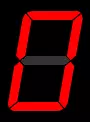
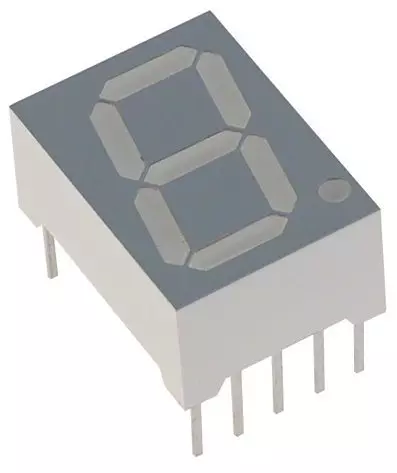
Hello friends! Today we will build a single-digit counter using a 555 timer, a CD4026 and a seven-segment display in Proteus ISIS. The timer supplies clock pulses, the counter advances from zero to nine, and its decoder lights the segments needed for each digit. We will also examine three different controls: blanking the display, pausing the count and resetting to zero. They can look similar in a screenshot, but they change different parts of the circuit. Understanding that distinction is useful when you later build event counters or time displays. The original diagrams and download are retained below. We will improve their explanation and add the missing hardware considerations, particularly current-limiting resistors for the display and defined levels on every control input. Figure: Seve ...
Hello friends! Today we will interface a seven-segment display with an Arduino Uno in Proteus. We will build a single-digit counter, load the Arduino program into the simulated board, and check that the display counts from zero to nine before returning to zero. This tutorial uses our Arduino Library for Seven Segment Display . That is a sketch library, while the Arduino Library for Proteus supplies a board model for the simulator. They belong to different applications and cannot replace one another. We will retain the original circuit images and downloadable project, but correct the counting logic and explain the electrical details that a simple simulation can hide. The objective is to understand how a requested digit becomes seven output signals, not merely to watch an animation. Figure: ...
Hello friends! Today I am sharing our Arduino library for a single seven-segment display. The original library was written for a small project that needed to show decimal digits without introducing a complicated display framework. Its interface is deliberately simple: assign seven Arduino pins, then pass the character you want to display. We will keep that straightforward approach while explaining the actual capabilities of the download. A library can choose which LEDs should light, but the display type, segment wiring and current-limiting resistors still determine whether the circuit works correctly. We will install the library, examine its two public operations and build a corrected counting example. For the complete simulator circuit, continue with Interfacing a Seven-Segment Display wi ...
Hello friends! In this guide, we will learn how to use Proteus ISIS and ARES, starting with a simple circuit and gradually moving toward microcontroller simulations and PCB design. I have kept the original tutorial collection so that you can follow a lesson in detail whenever you reach that stage. Our goal is to understand the complete development process. We will draw a circuit, calculate what it should do, simulate its behavior, examine signals with instruments and then prepare a physical board layout. Each stage answers a different question, so a successful simulation is one step in the process rather than the final proof of a finished product. If you are new to Proteus, follow the sections in order. If you already use it, choose the topic you need from the linked lessons. Some screensh ...