Hello friends, I hope you all are doing great. In today's tutorial, we will have a look at How to Create a Custom Filter in ASP.NET MVC. It's our 10th tutorial in ASP.NET MVC series. In our previous tutorial, we have cleared our concepts about Filters in ASP.NETMVC and we have also implemented one built-in filter of ASP.NET MVC.
Now, its time to have a look at How to Create a Custom Filter in ASP.NET MVC, in which you can specify your own authentications or handling etc. In our ASP.NET applications, we have use custom built filters a lot for different purposes. So, let's have a look at How to Create a Custom Filter in ASP.NET MVC:
Create a Custom Filter in ASP.NET MVC
In ASP.NET MVC, custom filters are handled by a base class named as ActionFil ...
Hello friends, I hope you all are doing great. In today's lecture, we will have a look at HTML Tag Helpers in ASP.NET Core. It's our 12th tutorial in ASP.NET Core series. If you have worked on ASP.NET then you must have been familiar with HTML Helpers. Tag Helpers are quite similar to HTML Helpers with slightest difference in its syntax.
Tag Helpers are new in ASP.NET Core and were not part of ASP.NET. So, let's first understand what are Tag Helpers & why we need to use them and at the end we will also discuss few common tag helpers in detail. So, let's get started with HTML Tag Helpers in ASP.NET Core:
HTML Tag Helpers in ASP.NET Core
HTML Tag Helpers in ASP.NET Core are server side components and thus executed on the server to create HTML ...
Hello friends, I hope you all are doing great. In today's tutorial, we are gonna have a look at What are Views in ASP.NET MVC. It's our third tutorial in ASP .NET MVC series and in our first tutorial, we have seen How to Setup Your First Project in ASP.NET MVC and in our second tutorial, we have seen What is Model in ASP.NET MVC and I have told you about Views as well in previous tutorial. So, now we are gonna have a look at it in detail:
Views in ASP.NET MVC
In MVC Framework, we don't have pages or path to some html file as in php.
Instead, We have to use Views in ASP.NET MVC for front end designing.
We can use Html, Css, Javascript, Jquery or any other front end language in Views.
There are two t ...
Hello friends, I hope you all are doing great. Today, I am going to share the second tutorial in ASP.NET MVC series and I will explain the concept of Model in ASP.NET MVC. In our previous tutorial, we have seen How to Setup Your First Project in ASP.NET MVC.
So, before developing our web app, we first have to discuss some concepts in MVC Framework and Model is one of them, which we will cover in today's tutorial. So, let's get started with it:
What is a Model in ASP.NET MVC ?
In, ASP.NET MVC Framework structure, we have to understand 3 very simple blocks, which are:
Models
Controllers
Views
Model connects our web application with our SQL Database, it takes commands from the Controller and then get or set values in the Database an ...
Hello friends, I hope you all are doing great. In today's tutorial, we will have a look at How to Create a Registration Form in ASP.NET Core. It's our 13th tutorial in ASP.NET Core series. In our previous lecture, we have seen How to use Tag Helpers in ASP.NET Core and have also discussed link, image & environment Tag Helpers.
Today, we will have a look at Form Tag Helpers and with their help we will design a simple Registration Form in ASP.NET Core. It will be a quite lengthy tutorial so if you got into any trouble, then ask in comments. So, let's create our Registration Form:
Create a Registration Form in ASP.NET Core
Let's create a new action method named Registration, in our Home Controller clas ...
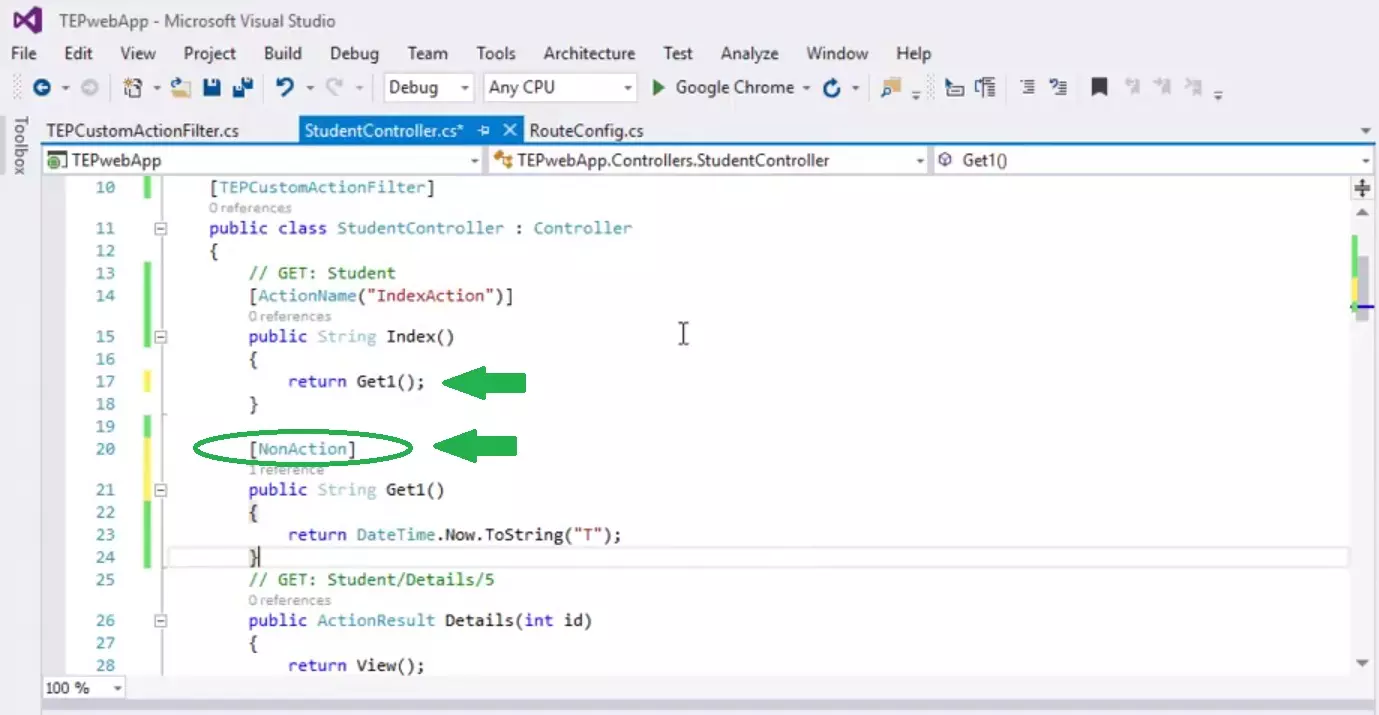
Hello friends, I hope you all are having fun with your lives. In today's tutorial, we are gonna have a look at Action Selectors in ASP.NET MVC. It's the 11th tutorial in ASP.NET MVC series and if you have covered so far then that means you really want to learn this language. Action Selectors are also new for you as we haven't discussed them yet but they are not that difficult to understand.
Action Selectors are built-in attributes of ASP.NET which are directly applied to action methods of Controllers. We use Action Selectors to influence on Controller's action methods. In simple words, we use Action Selectors to guide URL Routers in selection of correct action method. Let's have a detailed overview of Action Selectors:
Action Selectors in ASP.NET ...
Hello friends, I hope you all are doing great. In today's tutorial, we will have a look at different Razor Layout Views in ASP.NET Core. It's our 10th tutorial in ASP.NET Core series. You must have noticed in websites that they have common sections, which remains the same throughout the website i.e. Header Section, Footer Section, Sidebar etc.
In today's lecture, we will have a look at how to design these default layouts of a website. We have already discussed the MVC architecture in detail so now it's time to start building our site's layout or basic structure. Today we will just discuss different files available in ASP.NET Core for default layout designing. So, let's get started with Layout View in ASP.NET Core:
Razor Layout View in ASP.NET Core ...
Hello friends, I hope you all are doing great. In today's tutorial, we will have a look at Dependency Injection in ASP.NET Core. It's our 7th tutorial in ASP.NET Core series. In previous versions of ASP.NET, dependency injection was not its core element, although we could have achieved it using third party packages i.e. Ninject, StructureMap etc.
As ASP.NET Core is built from scratch so it was made sure that Dependency Injection should become its essential part. In our previous lecture, we have created Controller & Model for our core project. Now there's a need to connect them together and that will be done by Dependency Injection. So, let's get started with Dependency Injection in ASP.NET Core:
Dependency Injection in ASP.NET Core
Dependen ...
Hello friends, I hope you all are doing great. In today's tutorial, we will have a look at How to Create Views in ASP.NET Core MVC. It's our 8th tutorial in ASP.NET Core series. In our 6th lecture, where we have set up MVC architecture, we have also created Controller & Model, but we haven't yet created any View to display this data properly.
We have also seen Dependency Injection and have successfully injected Model Interface in our Home Controller. So, now it's time to add a View in our project and communicate it with Controller & Model. So, let's get started with Views in ASP.NET Core MVC:
Views in ASP.NET Core MVC
View in ASP.NET Core ( File Extension: .cshtml ) is a simple HTTP template, which displays the Model data, provided by ...
Hello friends, I hope you all are doing great. In today's tutorial, we will have a look at detailed Introduction to Entity Framework Core. It's our 16th tutorial in ASP.NET Core series. So far, we have covered the the MVC architecture and few concepts related to object oriented programming and now we are ready to get our hands on Databases.
So, today we will cover data handling in detail, which is done by Entity Framework Core in .NET Core applications. So, let's first understand this Entity Framework Core:
Introduction to Entity Framework Core
Entity Framework Core ( normally called EF Core ), designed by Microsoft, is an open source, flexible, extensible, lightweight and cross-platform framework, whic ...