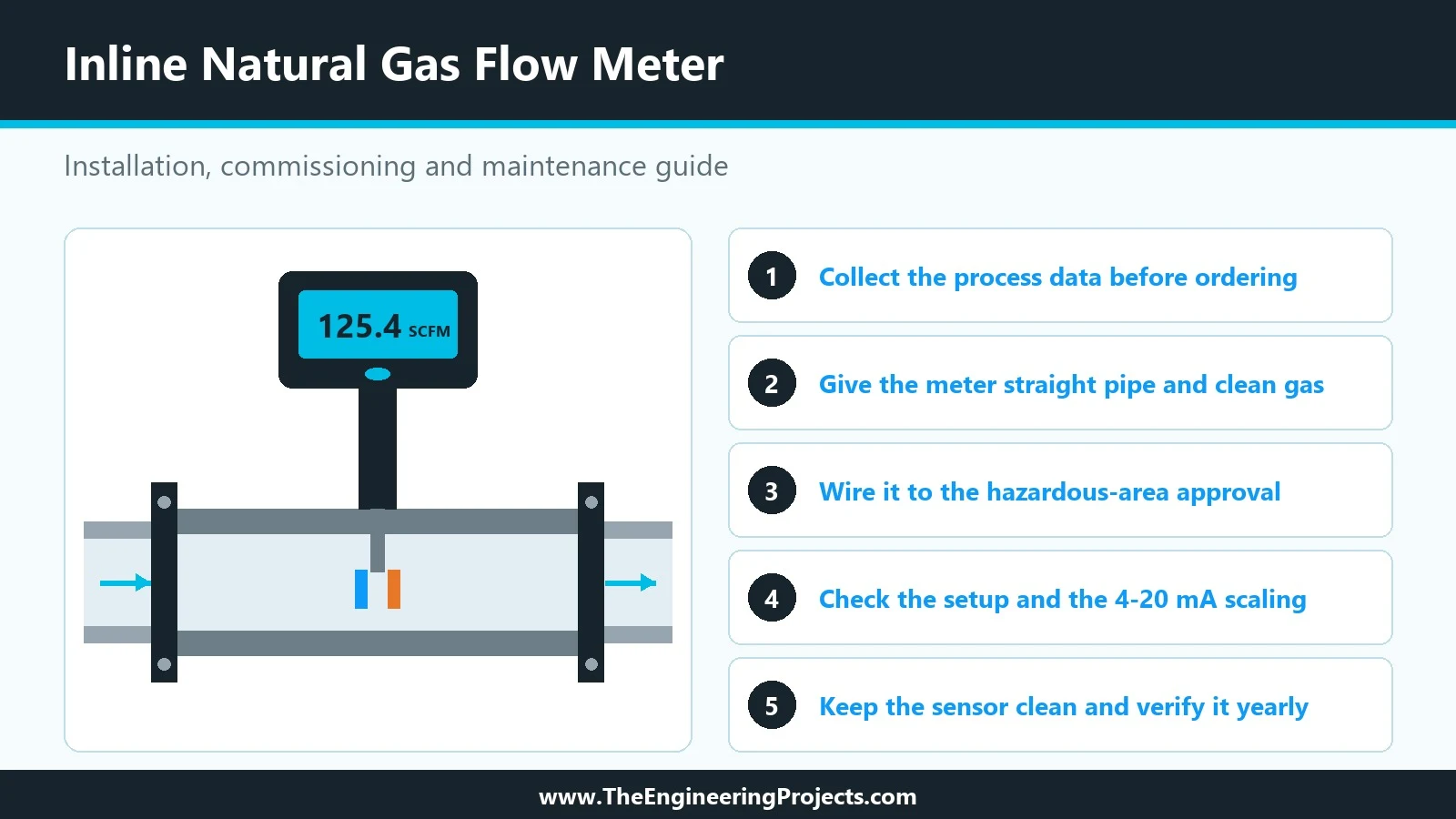
Natural gas is the fuel behind boilers, furnaces, ovens, dryers, kilns and gas engines in thousands of plants, and the amount burned is usually one of the largest running costs on site. Measuring it accurately tells you what each process really consumes, shows when a burner starts to waste fuel and gives you reliable numbers for energy reports and cost allocation. A well-chosen inline natural gas flow meter only delivers its rated accuracy when it is installed, wired and commissioned correctly. Many complaints about meters that "read wrong" are really installation problems: a meter placed straight after an elbow, a configuration made for the wrong gas, or an analog signal scaled differently at the meter and in the control system. This guide walks through the practical side: what an inline ...
Sheet metal fabrication has always depended on finding the right balance between precision, speed, repeatability, and cost. For decades, press brakes have been a familiar choice for forming metal components, particularly in applications requiring substantial forming force or complex tooling arrangements. Advances in computer numerical control (CNC) technology are changing how manufacturers approach bending and folding. Modern folding systems can automate positioning, improve consistency, and reduce some of the setup demands traditionally associated with conventional press braking. The difference is more than a matter of machine design. It can affect workflow, labor requirements, production flexibility, material handling, and the quality of finished parts. As manufacturers face tighter tole ...
Most engineering workstations don’t become obsolete overnight. They get annoying first. A model that used to finish before lunch now runs into the afternoon. A parameter sweep gets started before everyone leaves and is still chewing through cases the next morning. Someone needs the machine for CAD work, but the solver has 73 percent left and nobody wants to kill the run. That’s usually the point when people start looking at bigger hardware. The trouble is that “bigger” can mean almost anything. More cores. More RAM. A GPU. Another workstation. A cloud instance. A physical server sitting somewhere else. Without knowing what’s actually slowing the job down, it’s surprisingly easy to spend a lot of money and end up only slightly faster. First, figure out what the workstation is struggling wit ...
Every industrial facility that runs pumps eventually faces the same problem: mechanical seals fail. The question is not whether to deal with seal failures, but how much they are costing you — in downtime, in maintenance labor, in compliance risk, and in the consequences of fluid reaching places it should not. The core question, then, is not whether magnetic drive pumps are good — they are, in the right context. The question is whether your specific application is one where their advantages matter enough to justify the switch. What’s Actually Being Solved in Mechanical Seal Failure Mechanical seal failure is one of the most consistently expensive maintenance problems in process engineering. Industry estimates put rotating equipment seal failures among the top three causes of unplanned downt ...
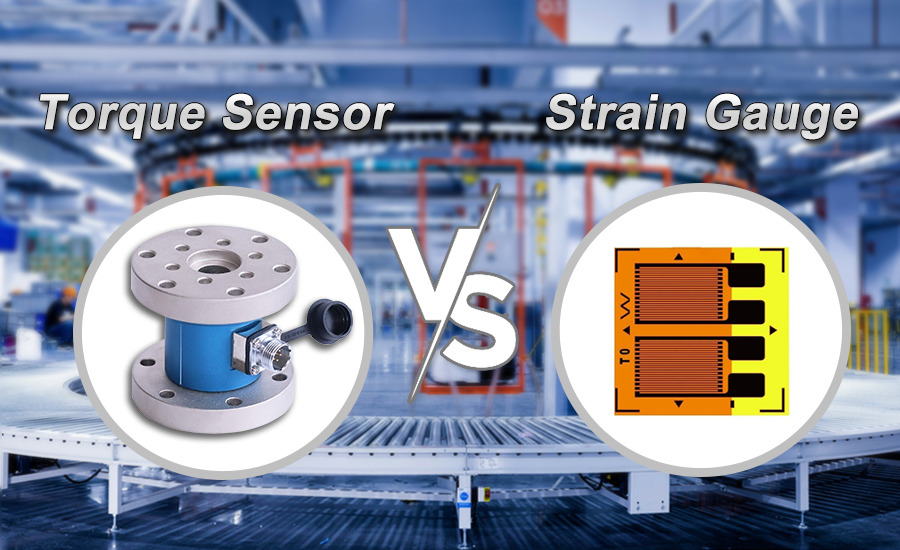
I still remember the first time I had to choose between a strain gauge and a torque sensor. It was a cramped motor lab. Old bench. Coffee gone cold. The project manager wanted answers by Friday. On paper the choice looked simple. In the real world it never is. Every project has its own personality. Speed. Budget. Accuracy. Abuse level. And usually a deadline that doesn’t care about any of that. If you have spent time around test stands and factory motors you know this dilemma well. Torque measurement sounds straightforward until you actually have to do it. That is when questions start piling up. How accurate do we really need to be. Will this thing survive vibration. Can we install it without tearing the whole setup apart. And the big one. Will it still read the same after six months of he ...
Step into the world of precision engineering—where custom CNC machined parts transform raw materials into the sinews and bones of your next big project. Like a tailor crafting a bespoke suit, CNC machining offers an unparalleled fit for your specific requirements. The prospect of holding your idea in your hands, not just on paper, is the realm where imagination meets implementation. But what options lie at your fingertips? Let's explore the paths to turning those digital blueprints into tangible assets. Materializing Visions: The Alloy of Choice Before the whirring of machines begins, your quest starts with choosing the right material—a decision as critical as selecting the foundation for a skyscraper. Each material whispers its own strengths and secrets, waiting to align with your project ...
By using CNC-machined parts for your next engineering project, you can ensure precision, quality, and speed. So, let us take a look at three options for creating custom parts. What Is CNC Machining? Before we look at the three options available to you, it is worth briefly explaining what CNC machining is. CNC machining is short for Computer Numerical Control. It is a modern manufacturing method that involves the use of computer-controlled machinery to make custom parts. The process begins with creating a CAD design of the part you want to make. The design is then translated into g-code and fed into the item of CNC machinery. The machine then simply gets to work at creating your design with the utmost precision and consistency. The types of CNC machines range widely – from milling machines ...
Although 3D printing feels like a relatively new development, there are lots of promising projects underway. A scheme to build 46 eco-homes has been approved in the UK’s first 3D printed development , for example, and the same is happening in Australia to provide housing for remote indigenous communities in rural areas . But how can 3D printing be applied in business? Here’s a breakdown on how it can be used and the opportunities it creates. What is 3D printing? 3D printing refers to technology that can form materials using computer designs. The earliest signs of 3D printing came about in 1981. Dr. Hideo Kodama created a rapid prototyping machine that built solid parts using a resin and a layer-by-layer system. Using a bottom-up technique, the material is layered until a tangible item is c ...
Hi Everyone! How are you doing, my friends? Today I bring a crucial topic for PLC programmers, technicians and engineers. We have been working together for a long time using ladder logic programming. We have completed together dozens of projects from real life and industry. One day I was thinking about what we have done in this series of ladder logic programming, and I came across that I missed talking about one essential topic ever. You know what? It’s the PLC troubleshooting and online debugging! After writing a ladder logic program for the project, you can imagine it should operate from the download moment 24/7. As usual, any system goes faulty one day. So we need to go through this matter, showing you how to find our PLC faults, troubleshoot, and go online with the PLC to figure out th ...
Hi, my friends and welcome back. I am happy to meet you again with a new tutorial of our PLC ladder logic programming series tutorials. Today we will complete what we started the last tutorial on the Elevator control project. We have a bunch of duties to complete together today. So let’s save time and jump into work immediately. Project description: Figure one shows the details that might help me describe the project between our hands. We have an elevator car that travels up and down and can stop on one of four floors based on the passengers’ requests. We have 6 push buttons on the wall next to the elevator door that can send requests to call the elevator. In addition, there is a control panel inside the elevator cabinet in which there are push buttons to request stations to reach floors 1 ...