Hello friends, I hope you all are doing great. Today, I am going to share the new nRF24L01 Library for Proteus V1.1 . The nRF24L01 is Nordic Semiconductor's small 2.4 GHz radio, and the black board with the zig-zag antenna is one of the most popular ways to send data from one Arduino to another without a wire. With this nRF24L01 Library for Proteus , two modules in one design talk over a simulated 2.4 GHz air, and your Arduino drives them over SPI with the same RF24 library you use on real hardware. Updates NRF24L01 Library for Proteus Latest version: V1.1 (September 2026, this tutorial) Other RF modules: nRF24L01 PA LNA · CC1101 · RFM69HCW · HC-12 · 433MHz RF · XBee LoRa modules: SX1278 Ra-02 · RFM95W · SX1262 Helping Tools Serial Monitor Advance : a serial terminal window for the UART of ...
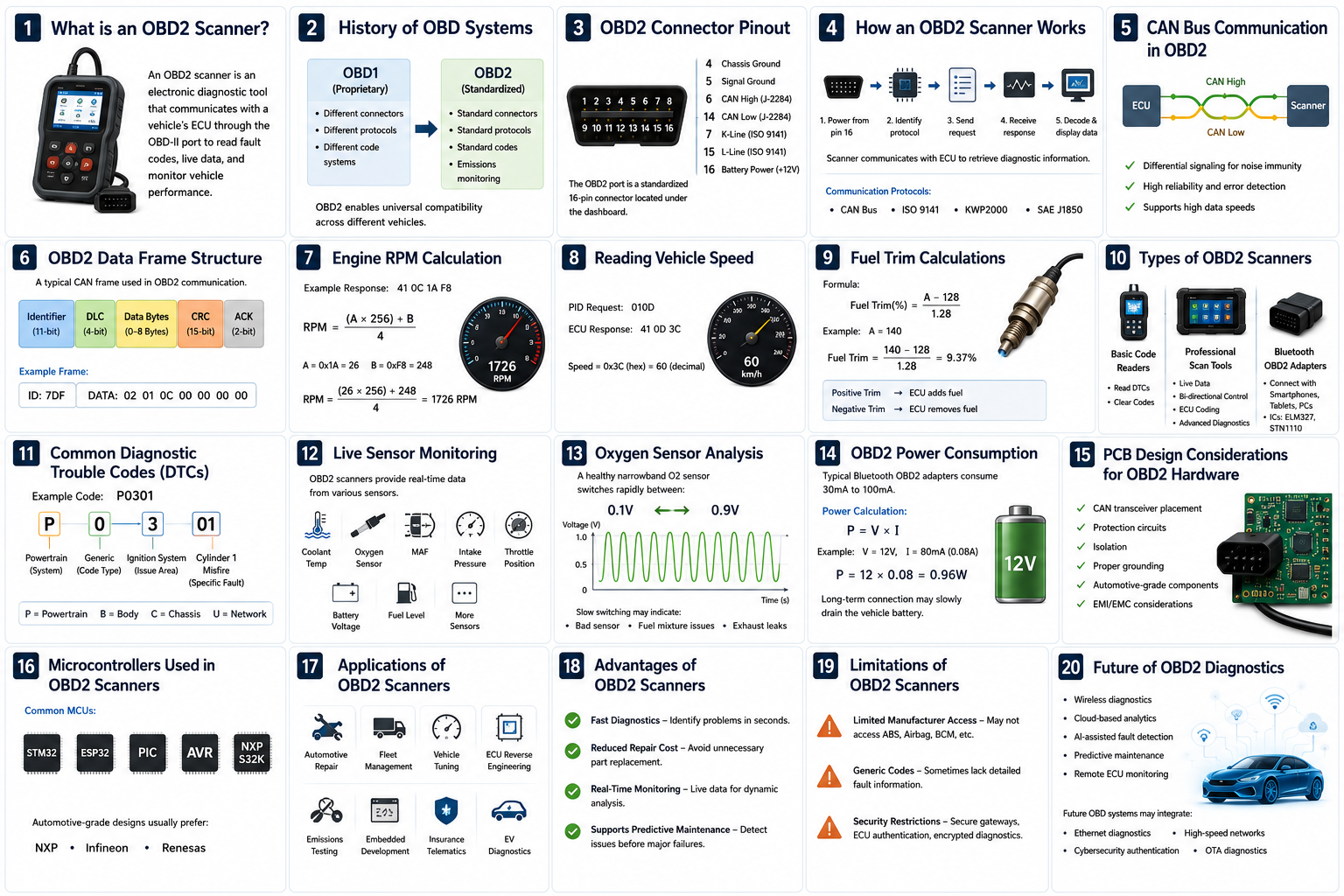
Modern vehicles are no longer just mechanical machines. Today’s cars contain dozens of Electronic Control Units (ECUs), sensors, communication buses, and embedded systems working together in real time. Whenever a fault occurs, these systems generate Diagnostic Trouble Codes (DTCs), and this is where an OBD2 scanner becomes an essential tool. Whether you are an automotive engineer, embedded developer, mechanic, or electronics hobbyist, understanding how OBD2 scanners work gives you deep insight into vehicle diagnostics, CAN communication, and automotive electronics. What is an OBD2 Scanner? An OBD2 scanner is an electronic diagnostic tool used to communicate with a vehicle’s onboard computer system through the OBD-II (On-Board Diagnostics) port. It allows us to: Read Diagnostic Trouble Code ...
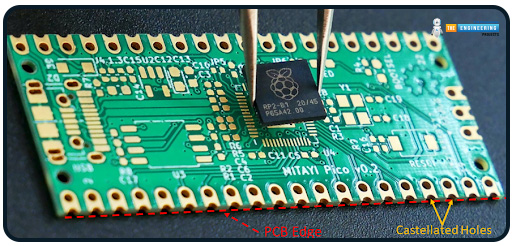
Hi readers! I hope you are having a great day and finding something new to learn. Today, the topic of our discourse is PCB Castellation and Castellated Holes. Printed Circuit Boards (PCBs) are the core of nearly all electronic devices and are a structured platform on which components are mounted and interconnected. As electronics are moving toward more miniaturization, modularization, and mass production, PCB technologies must advance to be able to support these new requirements. Part of this advancement is the use of PCB castellations or castellated holes, a technology that supports small, modular board-to-board connections. Castellated holes are tiny, plated half-holes on the border of a PCB. They allow one PCB, a module, or daughterboard, to be soldered onto another directly, much like ...
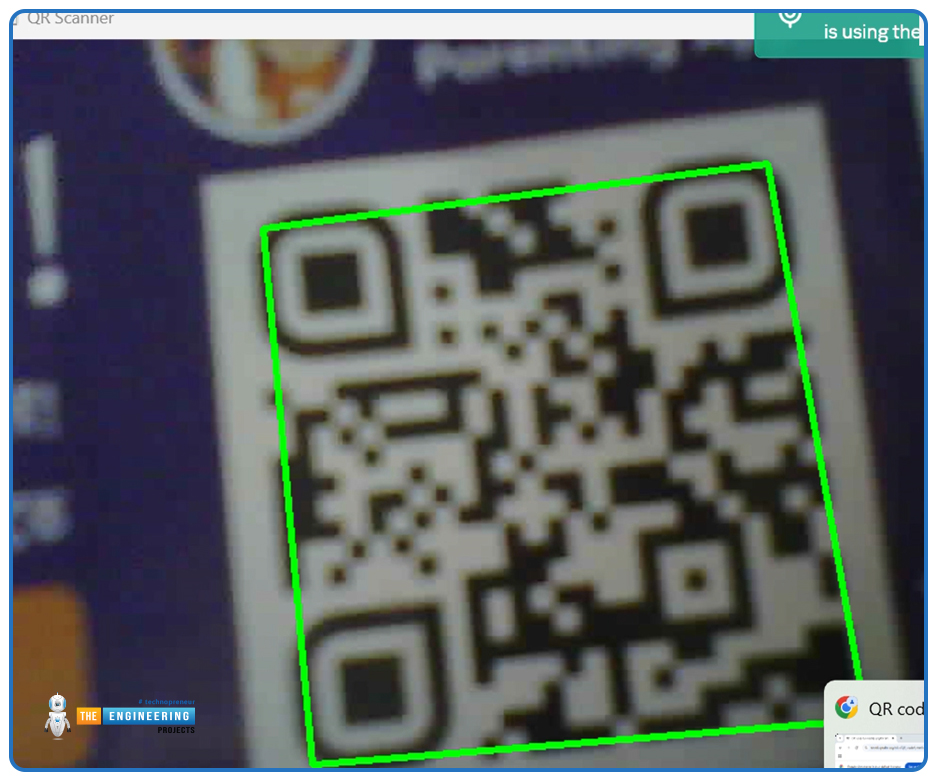
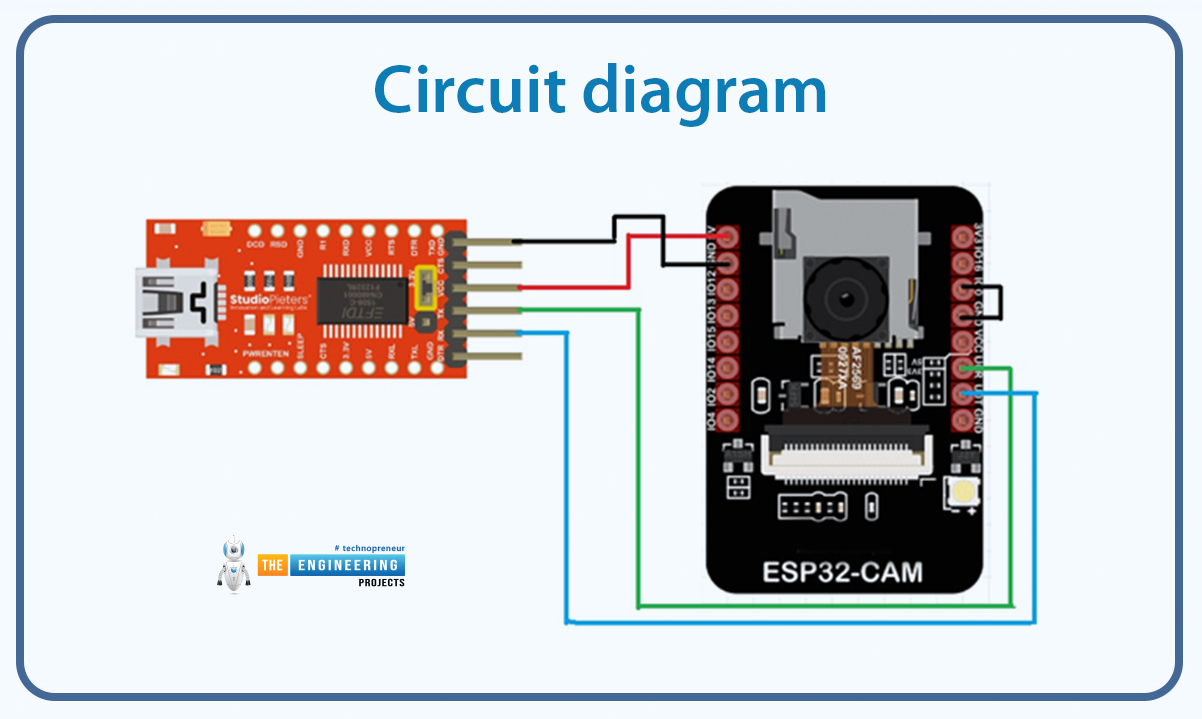
Hello friends! How are you today? Today we're going to discuss a project that is interesting and also useful in our everyday life. You see QR codes almost everywhere, right? They are printed on almost every product's package, leaflets, newspapers, and brochures. Perhaps, you often use QR code scanners on your mobile device. What about making such a program by yourself? Yes! That is exactly what we are going to do today. We will make a QR code scanner using the ESP32-CAM. For image processing, we will use the OpenCV library. If you’ve ever wanted to create a real-time QR code scanner using a low-cost, wireless camera module, you’re in the right place. In this tutorial, we’ll walk through setting up an ESP32-CAM to stream video and using OpenCV to detect and decode QR codes in real time. Int ...
Hello, dear tech savvies! We hope everything is going fine with you. Today we’re back with another interesting project. Do you ever wonder how amazing it would be to have a text reader that would be able to read texts from pictures and videos? Think about a self-driving car that can read the road signs meticulously and go to the right direction. Or imagine an AI bot that can read what is written on images uploaded to social media. How nice it would be to have such a system that will be able to read vulgar posts and filter them even when they are in picture format? Or imagine a caregiver robot that can read the medicine bottle levels and give medicines to the patients always on time. Now you understand how important it is for AI solutions to recognize texts, right? Today, we are going to do ...
Hello friends. We hope you are doing fine. The world is full of colours. Isn’t it? We humans can see and differentiate the colours very easily. But teaching robots and AI apps about colours is a real challenge. With the advancement of computer vision and embedded systems, this task has become easier than before. Today, we are going to make an RGB colour identifier using the ESP32-CAM. This project combines the power of OpenCV with the ESP32-CAM module to create a simple but effective system for detecting and tracking basic colors in real time. System Architecture 1. Overview This system consists of an ESP32-CAM module acting as a live-streaming camera server and a Python-based computer vision application running on a remote computer. The Python application fetches images from the ESP32-CAM ...
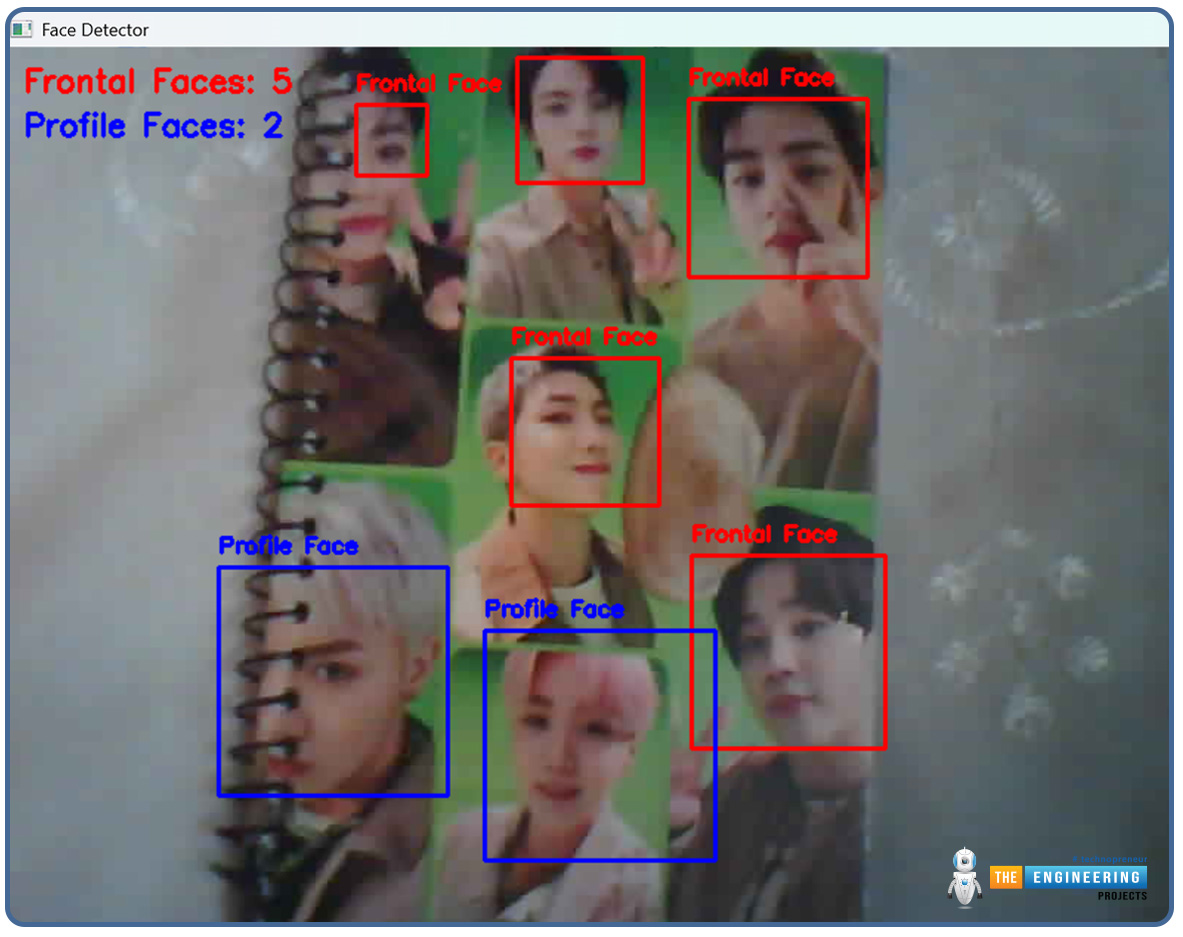
Hello friends. We hope you are doing fine. Today we are back with another interesting project. It is based on the image processing technology. Developing efficient and cost-effective solutions for real-time applications is becoming increasingly important in the area of embedded systems and computer vision. This project makes full use of ESP32-CAM. ESP32-CAM is a compact and AI-enabled microcontroller with built-in Wi-Fi capabilities. We will create a real-time face detection and counting system. The ESP32-CAM serves as the core of the system. It captures high-resolution images at 800x600 resolution and hosts an HTTP server to serve individual JPEG images over a local network. The device’s efficient JPEG compression and network capabilities ensure minimal latency while maintaining high-qual ...
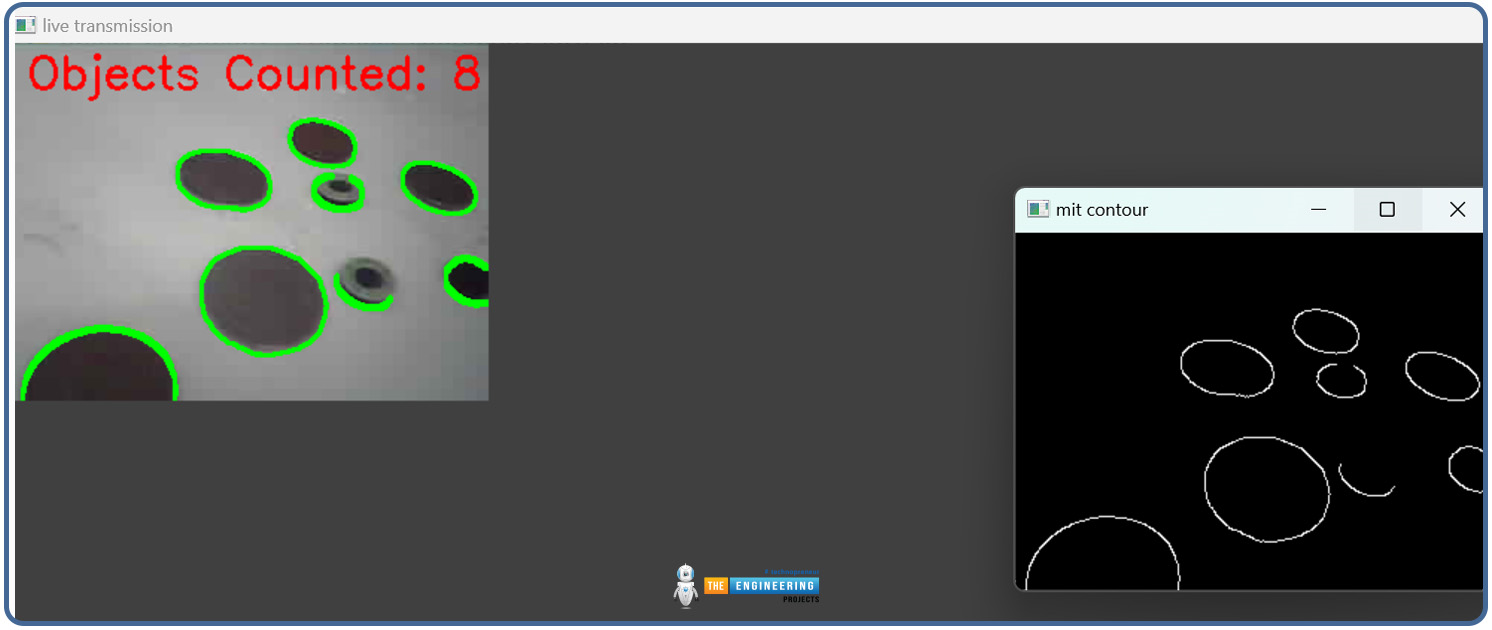
Imagine a real-time object counting system that is budget-friendly and easy to implement. You can achieve this goal with an ESP32-CAM. Today we will build an ESP32-CAM Object Counting System. This project is a combination of the power of embedded systems and computer vision. The main processor of the system is ESP32-CAM, a budget-friendly microcontroller with an integrated camera. This tiny powerhouse captures live video streams and transmits them over Wi-Fi. On the other side, a Python-based application processes these streams, detects objects using image processing techniques, and displays the count dynamically. Whether it’s tracking inventory in a warehouse, monitoring traffic flow, or automating production lines, this system is versatile and adaptable. You can implement this project wi ...
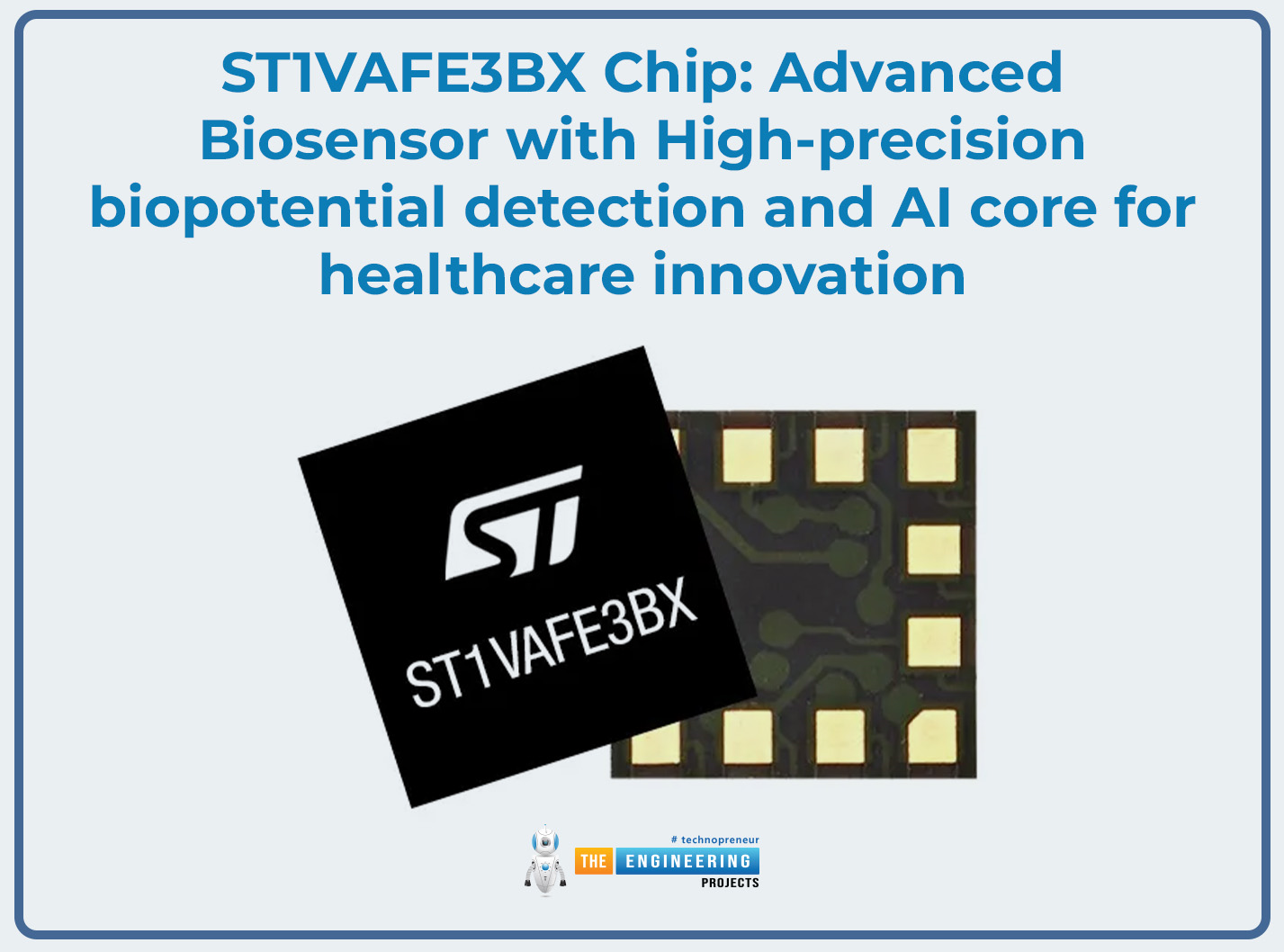
Hi readers! I hope you are fine and spending each day learning more about technology. Today, the subject of discussion is the ST1VAFE3BX Chip: advanced biosensors with high-precision biopotential detection and an AI core for healthcare innovation. The ST1VAFE3BX chip is an innovation that brings together advanced biosensors and artificial intelligence to revolutionize healthcare. It excels in precision biopotential detection, allowing for accurate monitoring of vital physiological signals such as heart rate, ECG, EEG, and EMG. It has high sensitivity and low noise performance to ensure reliable data acquisition in challenging environments. The onboard core AI in ST1VAFE3BX means real-time processed data. It has features such as predictive analytics, anomaly detection, and adaptive monitori ...