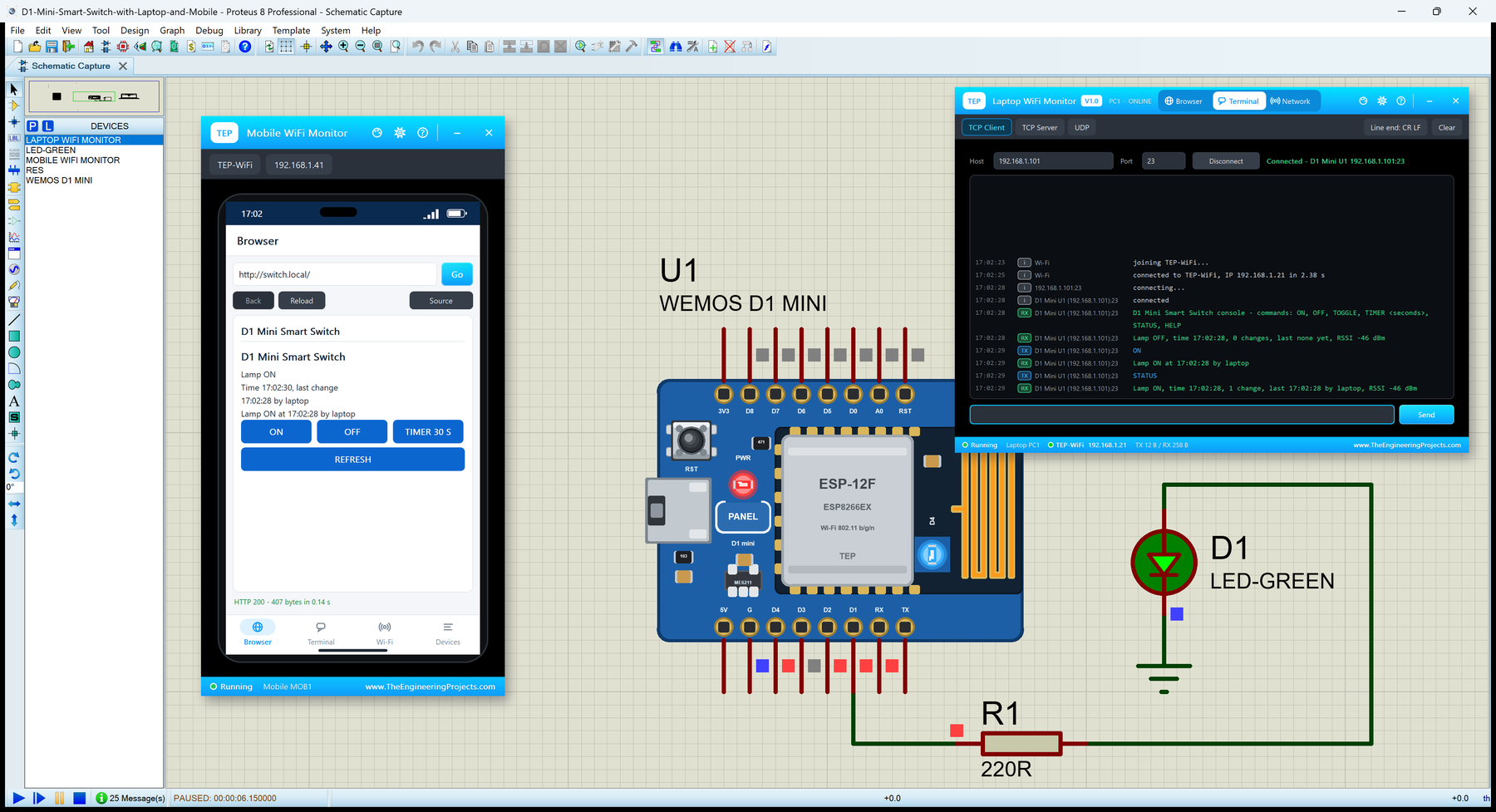
… the other way with your circuit. The simulation does not check this. Shields: the relay shield uses D1, the DHT shield D4, the OLED shield D1 and D2 (I2C) - plan your pins before you stack them. A0: the ESP8266's own ADC takes 0 to 1 V; the D1 Mini's divider …
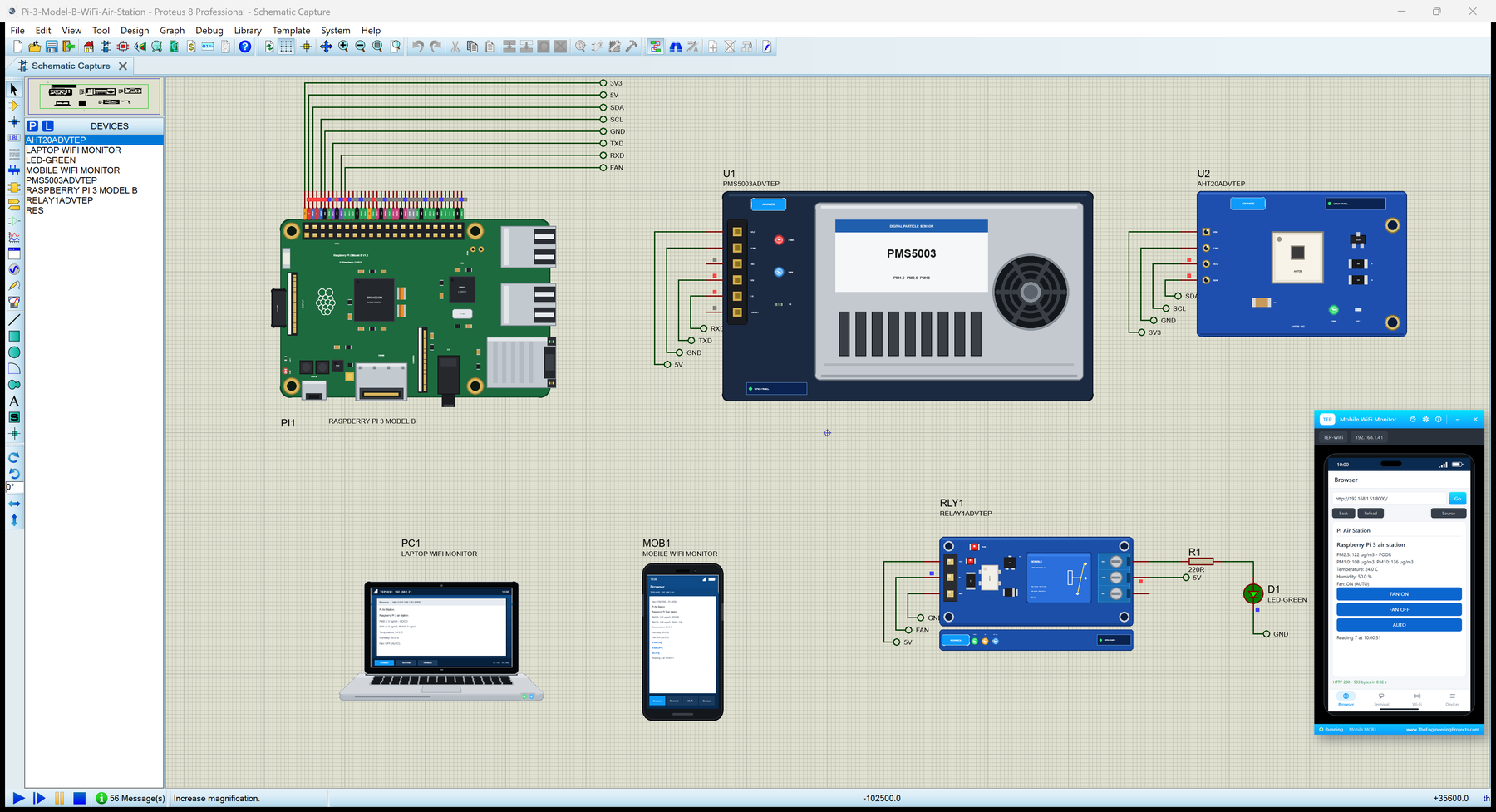
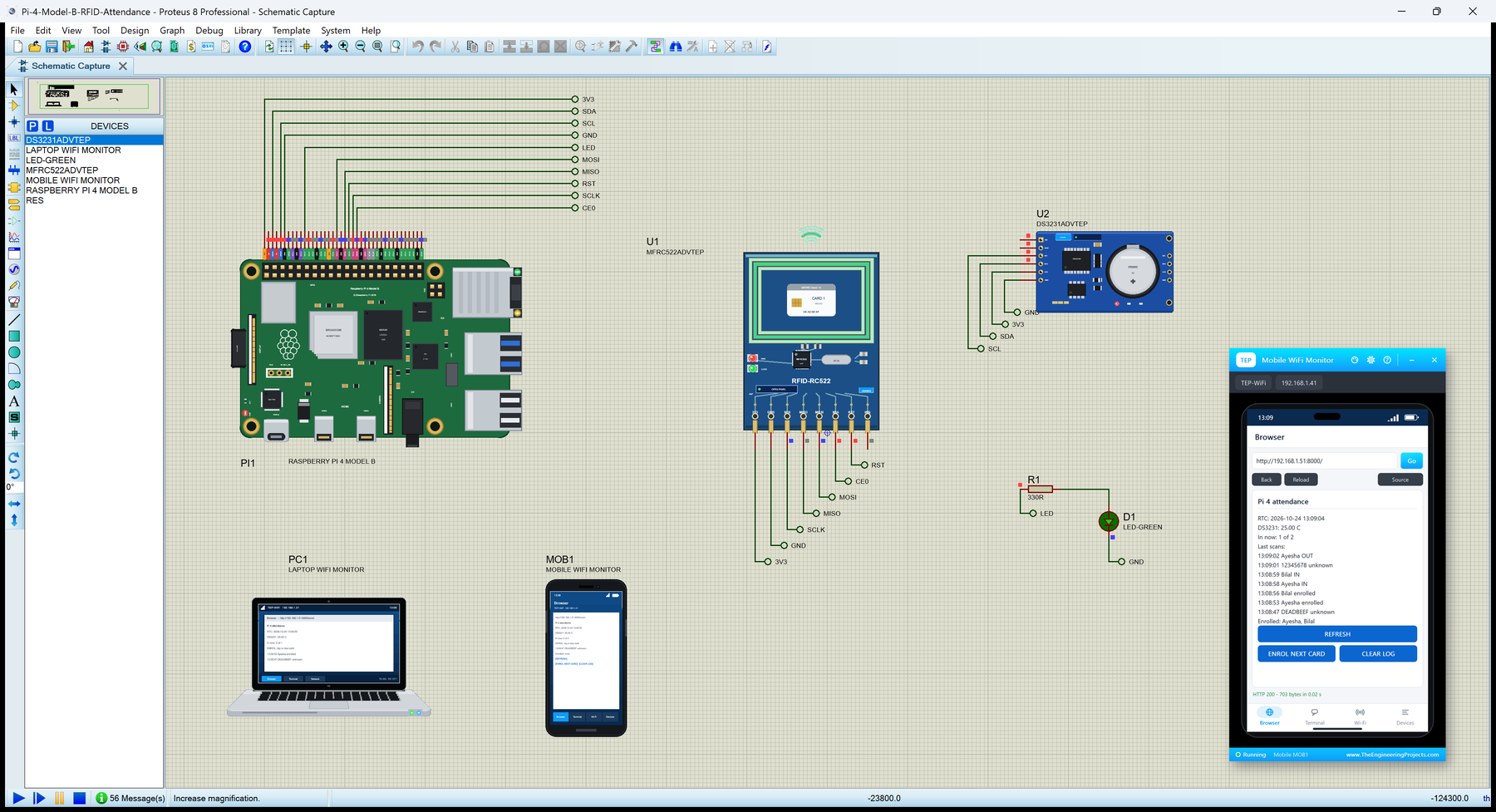
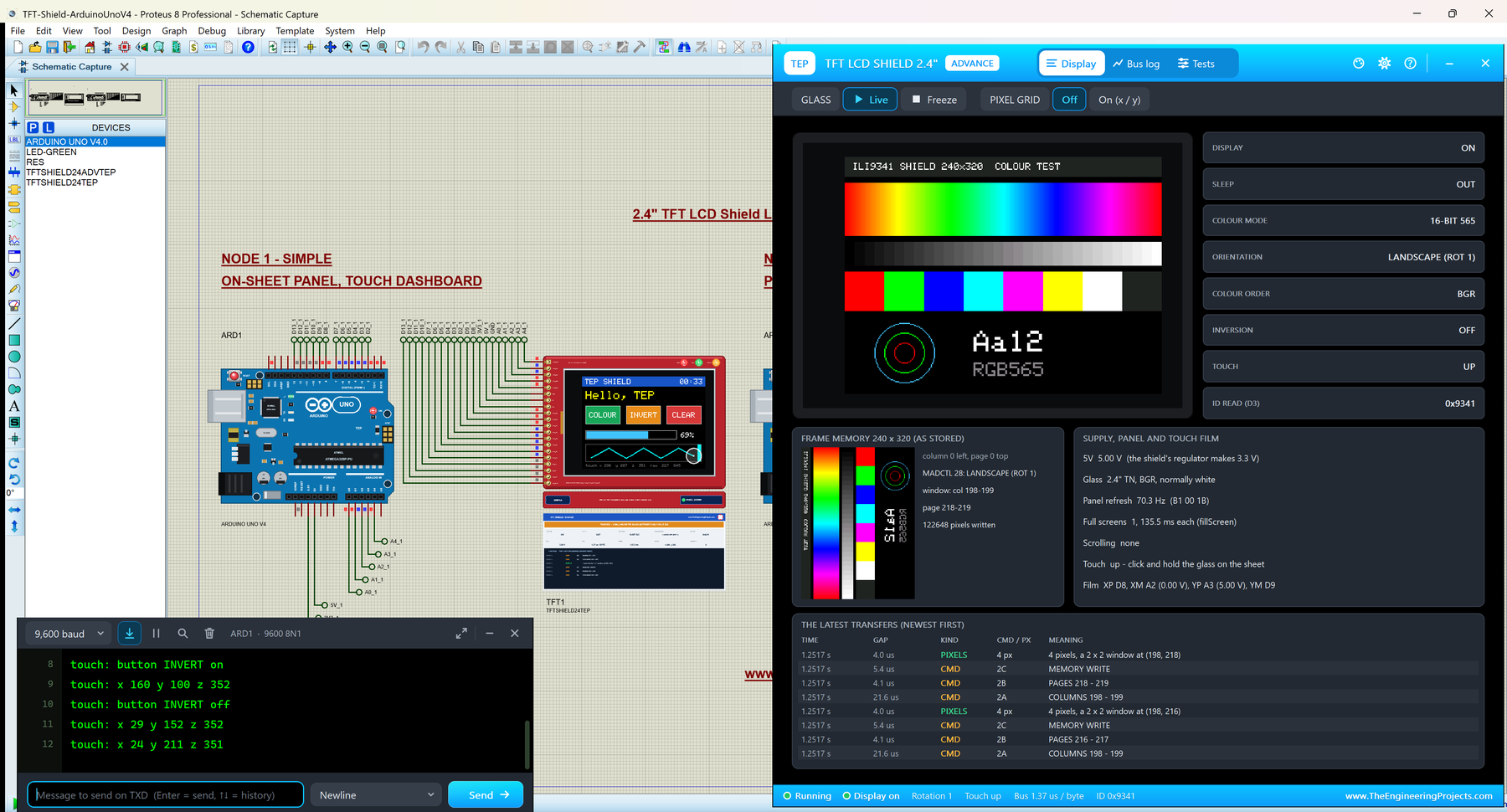
… for Proteus added the 40-pin header and a touch TFT, the Raspberry Pi 2 Model B Library for Proteus four I2C parts and an OLED, the Raspberry Pi 3 Model B Library for Proteus Wi-Fi and a web page. The B+ brings its faster cores - a GPIO call costs about 2.6 us …
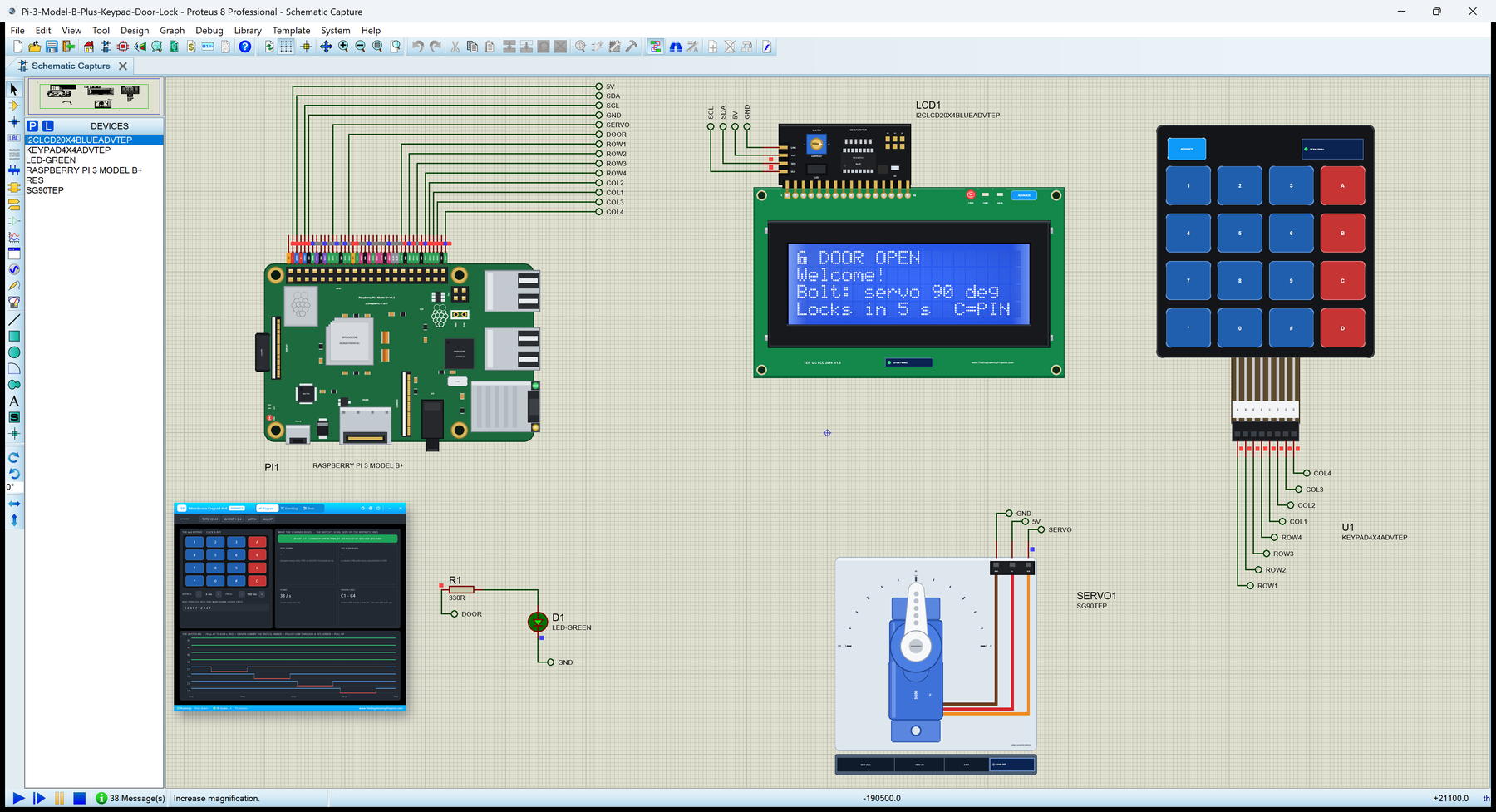
… for Proteus added the 40-pin header and a touch TFT, the Raspberry Pi 2 Model B Library for Proteus four I2C parts and an OLED, the Raspberry Pi 3 Model B Library for Proteus Wi-Fi and a web page, and the Raspberry Pi 3 Model B+ Library for Proteus a keypad, …
… for Proteus added the 40-pin header and a touch TFT, the Raspberry Pi 2 Model B Library for Proteus four I2C parts and an OLED. The Pi 3 adds Wi-Fi, and a GPIO call costs about 3 us of simulation time on its faster cores. Features of the Raspberry Pi 3 Model B …
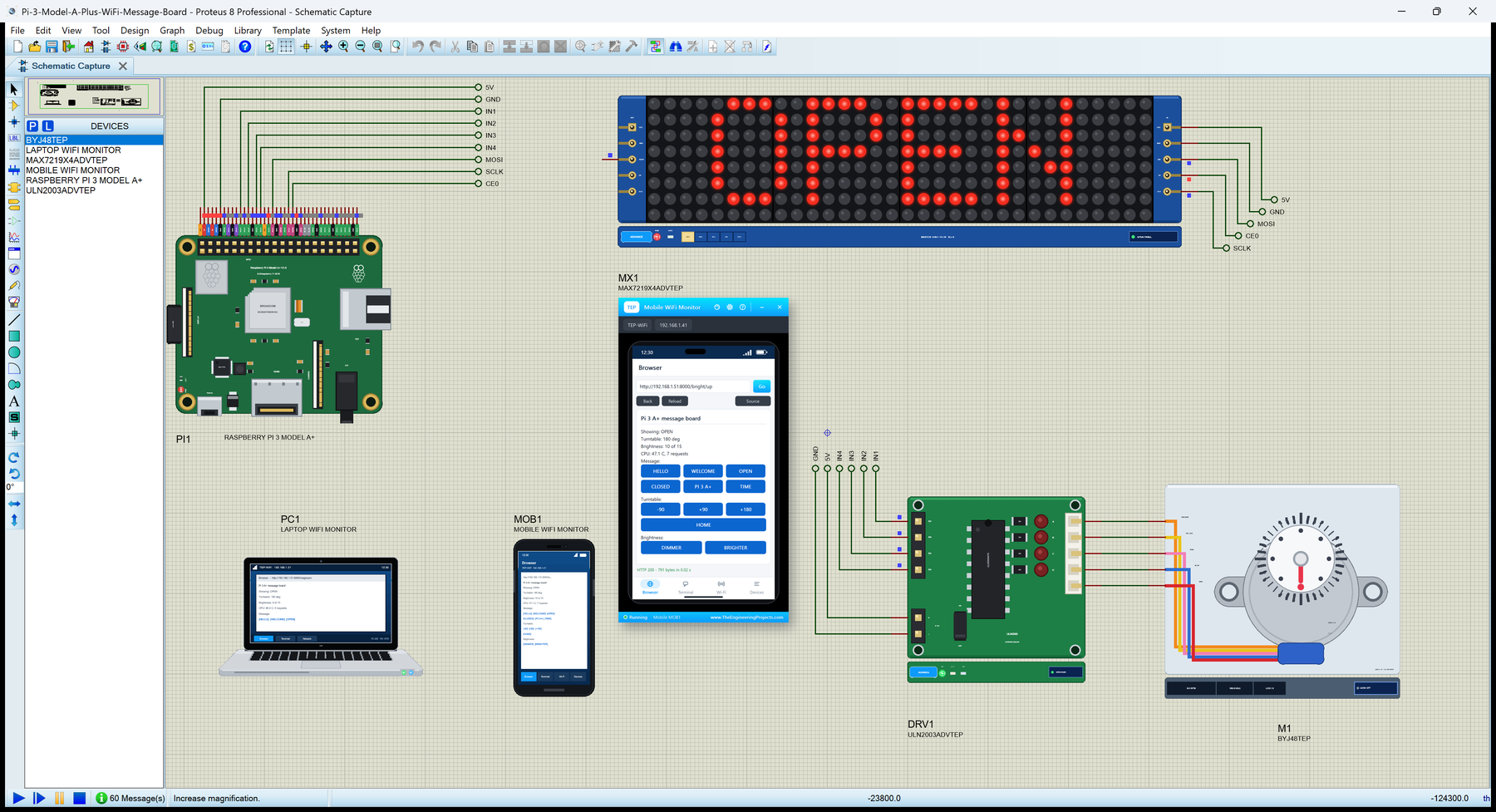
… for Proteus added the 40-pin header and a touch TFT, the Raspberry Pi 2 Model B Library for Proteus four I2C parts and an OLED, the Raspberry Pi 3 Model B Library for Proteus Wi-Fi and a web page, the Raspberry Pi 3 Model B+ Library for Proteus a keypad, an …