Hi Guys! Hope you’re well today. In today's tutorial, we will have a look at the 2SC1345 NPN Transistor. We will also discuss 2SC1345 Datasheet, Pinout, Power Ratings, Equivalents & Applications. As this is an NPN transistor, the conductivity is mainly carried out by electrons as the major charge carriers. 2SC1345 is mainly used for switching and amplification purposes.Let's first recall NPN transistors: NPN transistor comes with 3 terminals, named:
Emitter
Collector
Base
If the voltage at the base terminal is above 0.7V, the NPN transistor gets forward biased & starts conducting i.e. current will flow from the Collector to Emitter terminal. If the Base voltage is less than 0.7V, it remains reverse-biased.So now let’s get started with the 2SC1345 NPN Transistor.
2SC134 ...
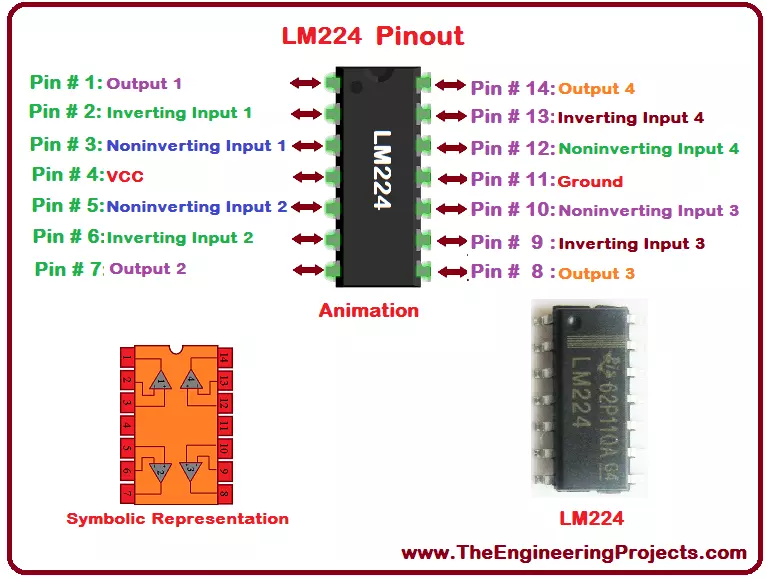
Hello everyone! I hope you all will be absolutely fine and having fun. Today, I will provide you document on detailed discussion about Introduction to LM224. LM-224 has four internal builtin operational amplifiers. These amplifiers are frequency compensated. The basic purpose to design these type of device is to operate it from a single power supply sources. Moreover, they are also able to perform different tasks using split power supplies. Magnitude of power supply and the current current drain both are independent of each other.
LM-224 has a very wide range of application areas which include DC gain blocks, transducer amplifiers etc. LM 224 has a large number of amazing features include wide power supply ranges, large bandwidth, low input offs ...
Hi Guys! Thank you for clicking this read. Hope this finds you well. In this post today, I’ll document the Introduction to Tip42.
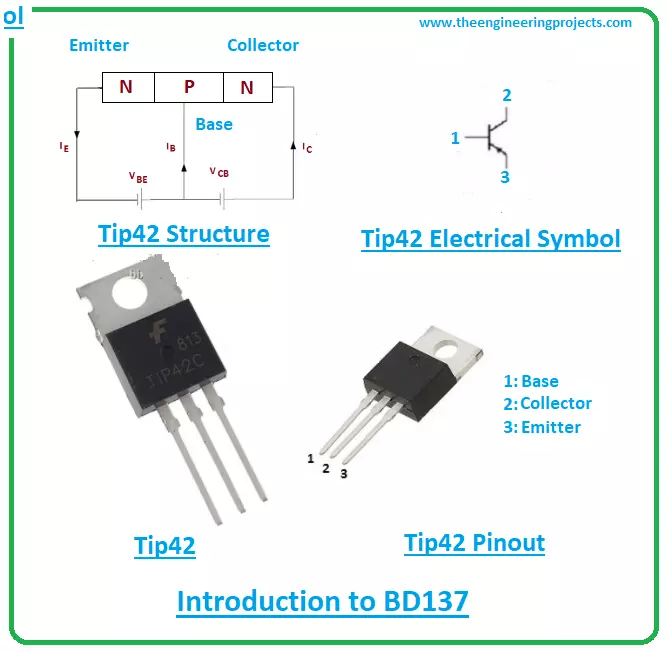
Tip42 is a medium power silicon transistor mainly used for switching and amplification purpose. It belongs to the PNP transistor family and comes in the TO-220 package. The collector current is 6A which signals it can support load under 6A. Both collector-base and the collector-emitter voltages are 40V. And the only 5V is required to initiate the transistor action as the emitter-base voltage is 5V. The power dissipation is 65W which defines the amount of energy released during the working of this transistor. The storage junction temperature is -65 to 150C and transition frequency is 3MHz.
Just stay with me for 2-min a ...
Hey Everyone! I hope you are doing great. I am back to give you daily dose of information so you can excel in your life. Today, I am going to uncover the details on the Introduction to 5n50. It is an N-Channel MOSFET which is designed to obtain high switching performance and minimum on state resistance in an effective way. It is a unipolar device which comes with three terminals called drain gate and source. I'll try to cover everything in detail related to this N-Channel MOSFET. Let's hop on the board and dive in the details to unlock the features of this transistor.
Introduction to 5n50
5n50 is an N-Channel MOSFET that comes in advanced DMOS, planer stripe technology.
It is designed to achieve high switching performance. As it is an N-Chann ...
Hello friends, hope you all are fine and having fun. In today's post we are gonna have a look at LM317 Voltage Regulator in Proteus. In the previous post, we have seen how to design a 5V Power Supply in Proteus ISIS, which I have designed using IC regulator 7805. Today I am going to share How to design LM317 Voltage Regulator Circuit in Proteus. This DC power supply is a variable one means you can set its output voltage to any level you want. In order to change its output value we have used a variable resistor and by changing its value you can change the output value. It is a basic level project and very simple but used as a base to design large industrial projects. In this project, we are going to control the speed of a DC Motor and the correspon ...
Hello everyone! I hope you all will be absolutely fine and having fun. Today, I am going to give a detailed discussion on Introduction to LM4040. LM-4040 is specially designed for an accurate micro-power shunt voltage reference. These voltage references includes the standards of 2.5V, 3V % 5V respectively. LM-4040 has three different grade A, B and C grades and they have o.1%, o.5% and 1% tolerances respectively.
This device is available in different packages and each package has different individual dimension which will be explained later. We can achieve an excellent performance from this device when it is operating at the current ranging from 60uA to 15mA and its temperature coefficient is 20 ppm per degree. In order to maintain good stability ...
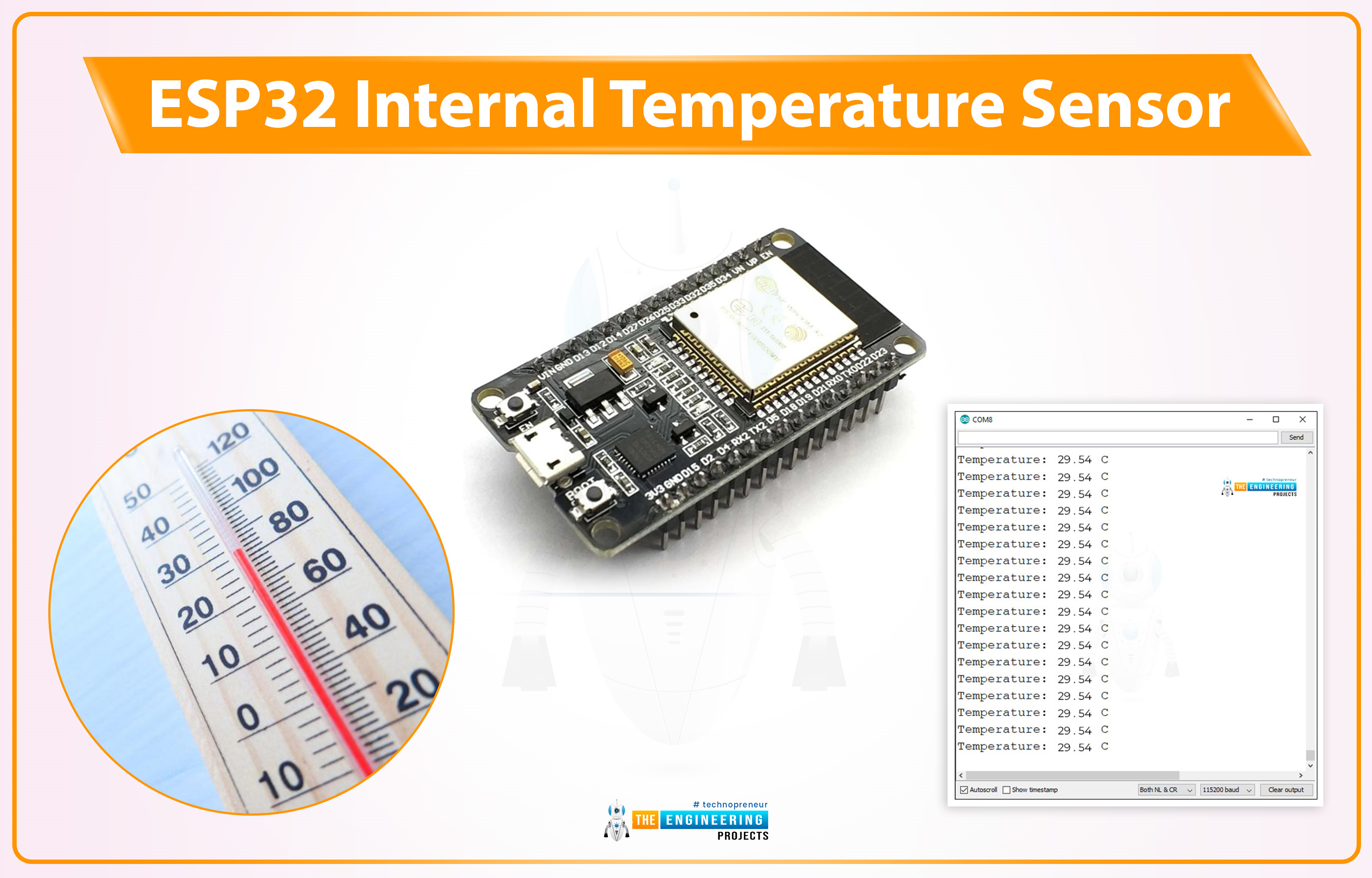
Hello friends, I hope you all are doing great. Welcome to the 3rd lecture of Section 5(ESP32 Sensors) in the ESP32 Programming Series. We have already discussed the two built-in ESP32 sensors i.e. Hall Effect Sensor and Capacitive Touch Sensor. Today, we are going to discuss the 3rd and final built-in ESP32 sensor i.e. Internal Temperature Sensor.
ESP32 Internal Temperature Sensor is used to calculate the temperature of the ESP32 core. So, we can't use it to measure the ambient temperature (the temperature of the atmosphere), for that, we need to use embedded temperature sensors i.e. DS18B20, DHT11, BMP280 etc. We will first discuss the basics of this Internal Temperature Sensor and then will design a code to monitor the change in temperature by changing the frequency of the ESP32 CPU.
...
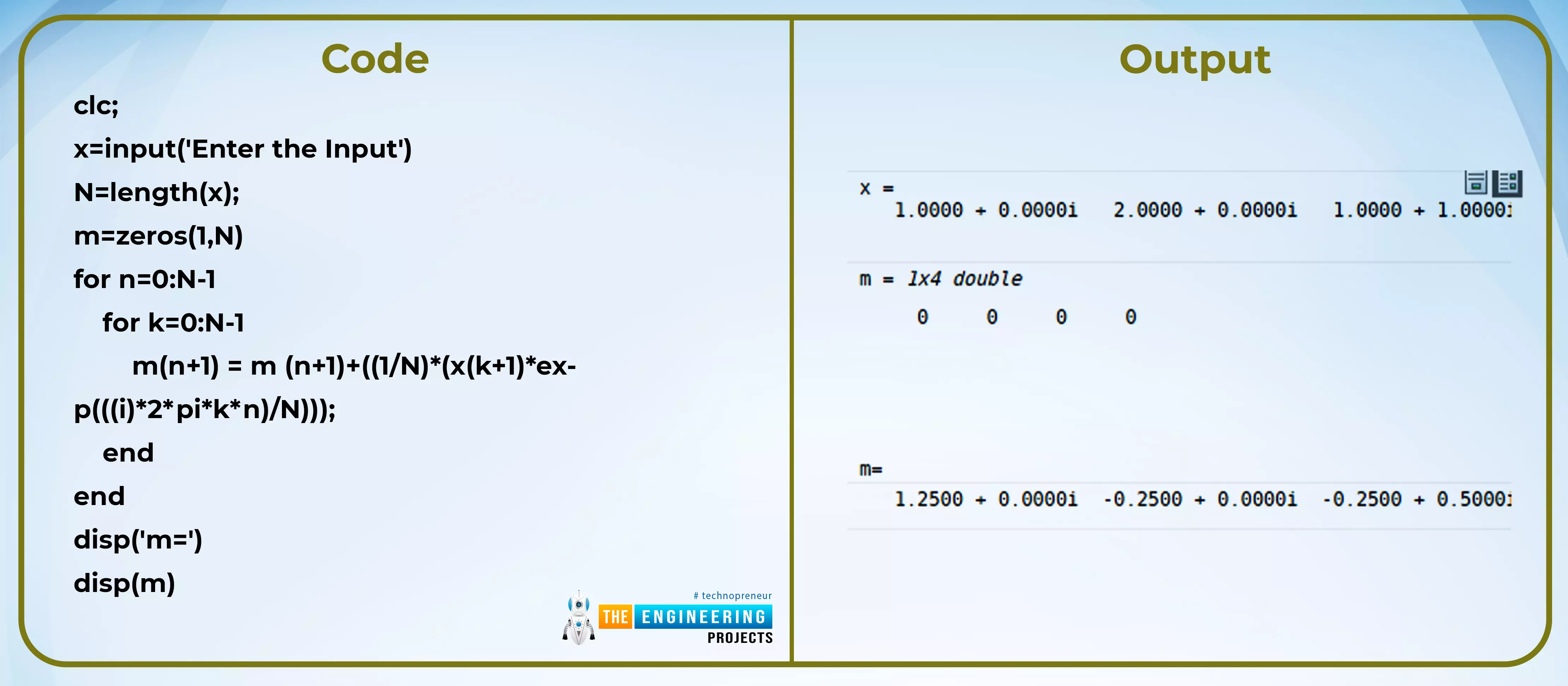
Hey, pupils welcome to the next session about the Fourier transform. Till now, we have learned about the basics of Fourier transform. It is always better to understand all the properties of a mathematical tool to understand its workings and characteristics. You will observe that most of its properties are similar to the topics that we have discussed before, and the reason is, that all of them are transforms, and the core objective of these transforms is the same. We have learned about the simple and easy discussion of the Fourier Transform, but when dealing with complex problems, it involves the usage of different properties so that we do not have to repeat the calculations all the time to get the required results. Have a look at what you are going to learn today:
What are the basic prope ...
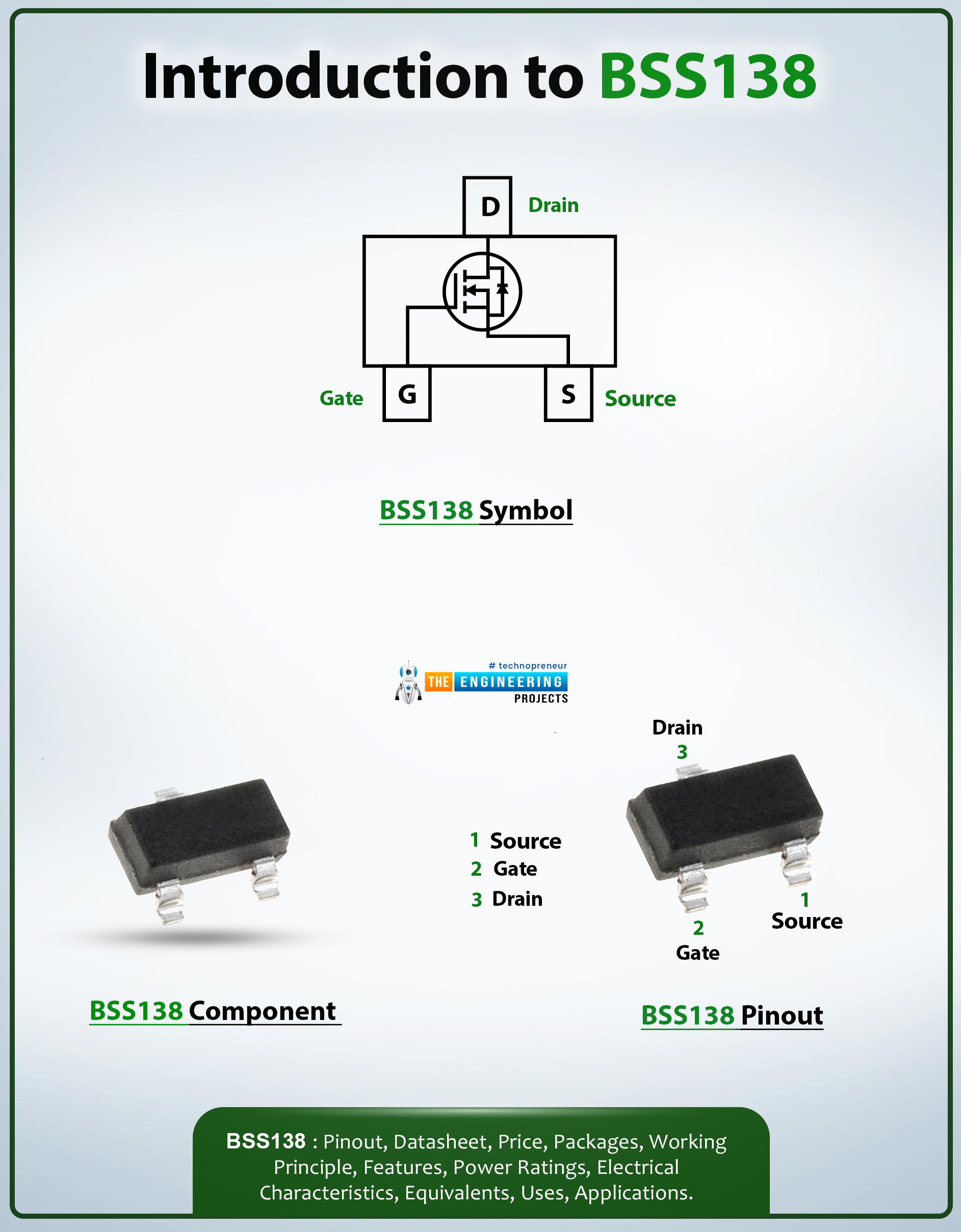
Hi Everyone! Hope you’re well today. I welcome you on board. In this post today, I’ll detail the Introduction to BSS138.The BSS138 is an N-Channel Logic Level Enhancement Mode Field Effect Transistor that is available in surface mount package SOT-23. It features a low input capacitance of around 40pF and a low on-state resistance of around 3.5. High switching speed and low threshold voltage make this device an ideal pick for level shifter circuit applications.
I suggest you read this post all the way through as I’ll walk you through the complete Introduction to BSS138 covering datasheet, pinout, features, and applications.
Let’s jump right in.
Introduction to BSS138
The BSS138 is an N-Channel MOSFET mainly used in low current and low voltage switching applications.
It contai ...
Hello readers, we hope you all are doing great. Welcome to the 1st lecture of Section 4 in the ESP32 Programming Series. In this section, we will interface the ESP32 module with common Embedded modules(i.e. LCD, Keypad, RTC etc.).
In today's tutorial, we will interface ESP32 with a 16x2 LCD and will display data using both Data Mode and I2C Mode. LCD is the most commonly used embedded module in IoT Projects. It is used to display different types of data i.e. sensor readings, warning messages, notifications etc.
Before going forward, let's first have a look at what is LCD and How it works:
16x2 LCD Module
LCD(Liquid Crystal Display) is a type of electronic display module that is used in a wide variety of applications and devices such as calculators, computers, mobile phones, ...