Hello readers, hope you all are doing great. In this tutorial, we will discuss another ESP32 protocol that is Web Socket and we will also explain how to create a web server using web socket protocol with ESP32. So, we will have a look at What is a web socket server, How web socket protocol is different from HTTP protocol, What is handshaking in networking, Three-way handshaking, Web socket application, Creating web socket server using ESP32 module etc. Let's get started:
What is a web socket protocol?
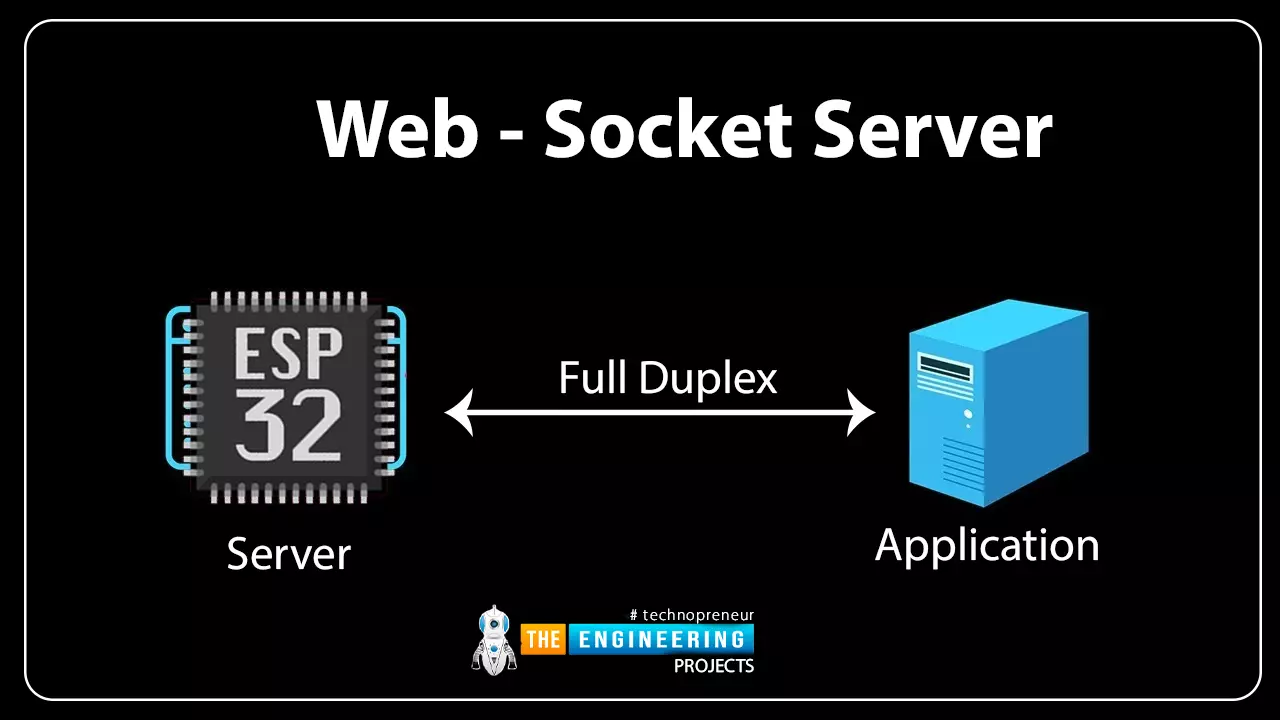
Fig 1 Web-socket server
A Web Socket is a full-duplex (both the server and the client can send and receive data at the same time) computer communication protocol. Web socket protocol, like HTTP (hypertext transfer protocol), also works in server an ...
Hello everyone. Today is a great day that we are going to put our focus on another type of PCB. So far in the previous articles, we have looked at high speed, metalcore, high density interconnect and the ceramic types of PCBs. In this article, we are going to introduce another type of PCB that might find great use in your day-to-day interaction with the printed circuit boards. it is very important for a designer to take note of how PCBs have evolved and how they have become an important aspect in the design of successful electronic devices. It has become hardly difficult to come across any time of an electronic device that does not involve the use of printed circuit boards.
In PCB boards you come across LEDs fixed in them, and due to the evolving w ...
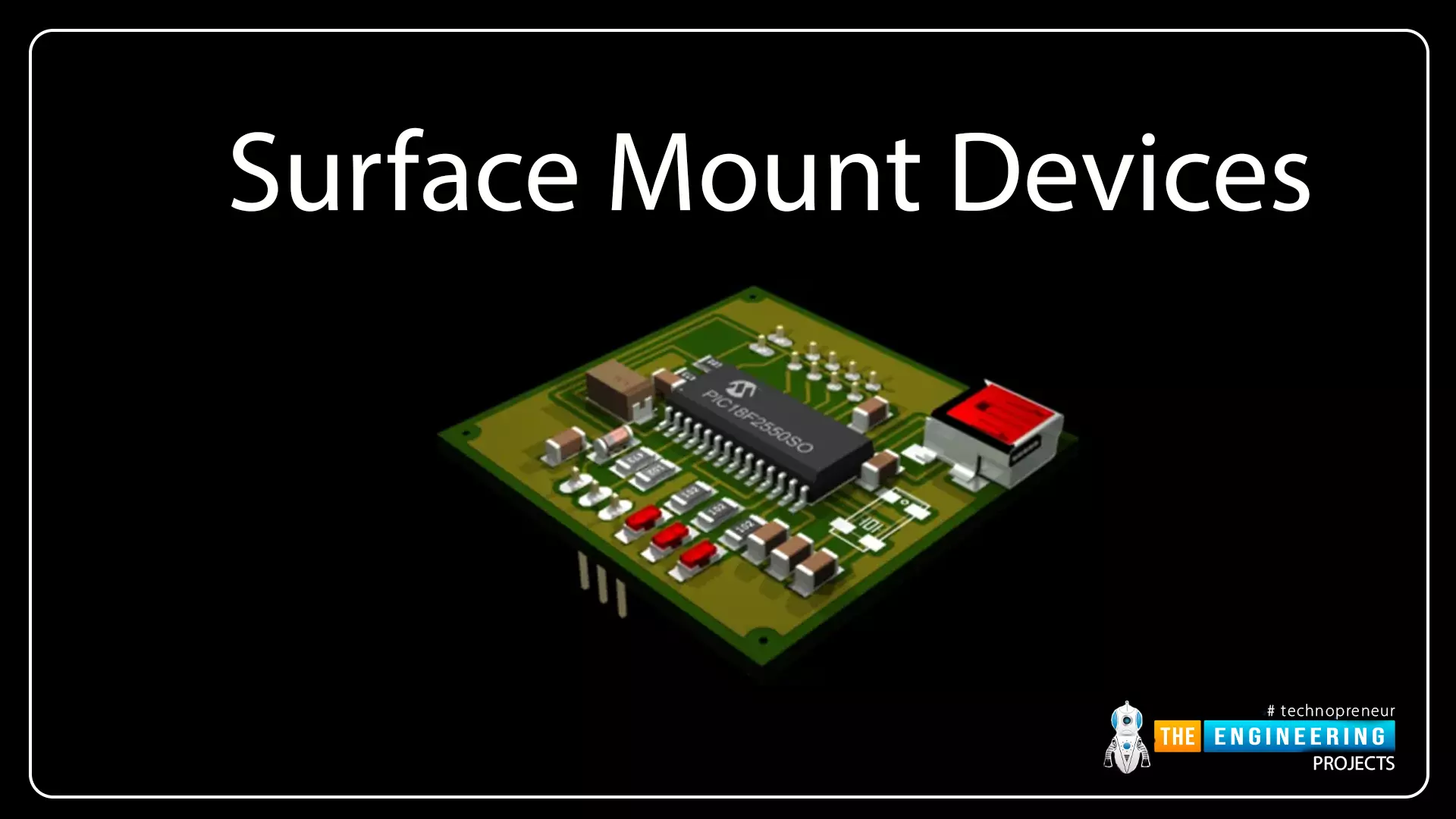
Greetings and welcome to today’s lecture. Today, we are going to focus our discussion on the Surface Mount Technology of PCB components mounting. It's our 8th tutorial in the PCB learning series and is going to be a very interesting and interactive class. In Surface-mount technology, SMT components(having small pads) are
placed on the surface of the PCB board and their pads are soldered on
the same side of the board.
As we discussed in our last lecture on Though-Hole Technology, there are two main methods used to mount components on PCB boards. We studied THT in the last lecture and today, we will focus on
Surface Mount Technology (SMT), we will discuss SMT classifications, types, applications, advantages and disadvantages in detail.
...
Hello everyone, I hope you all are doing great. Today, we are going to share the 9th chapter in the PCB learning series, where we will have a look at the difference between Through-hole and Surface-mount technology.In our previous lectures, we studied both THT and SMT methods separately and have seen that both are used for components mounting on the PCB board. So, today, we will have a look at the difference between the two techniques. So, let's get started without wasting any time.
Through-Hole vs Surface-Mount
Let us know have a look at these differences and get to know the way forward when it comes to the process of component selection whether SMT or DIP.
Definition - THT vs SMT
THT stands for through-hole technology.
In Through-hole technology, components are mounted by ...
The evolution of technology over the decades has helped almost all sectors to grow and flourish. And, the medical sector is no different. The way medicine was practiced a couple of decades ago has been completely changed today. This has obviously brought in multiple benefits to the patients. The treatment time has lowered and so has the accuracy increased. People now trust technology to get their treatments done.
This article highlights certain technologies that have transformed modern medicine.
Electronic health records
This is the prime example of how technology has transformed the way of conducting treatments and keeping records. The paper filing system of patients is now long gone. It is now replaced with electronic record-keeping. This ...
Hello everyone and welcome to this article. Previously we have been discussing different types of PCB boards and for sure we have not exhausted everything. Today we are going to focus on a very important aspect of the PCB design which is the thermal characteristics of the PCB's working environment. Up to this moment, we have interacted with boards that work best in normal working conditions. But remember there are some working conditions, that have very harsh environment such as high temperatures. Let us take for example temperature in boilers or even electric heaters. Do you think normal FR-4 boards can survive in such temperatures? Don’t you think they will melt off if exposed to high thermal radiation? Your guess is as good as mine. For us to h ...
In the highly competitive world of electronics, it has become obvious for leading companies to stick to the adhere standards of quality and consistency. Hence, many times companies and organizations prefer to adopt globally known standards to maintain singularity and high quality within the organization. Because IPC is considered the gold of all standards, many companies and organizations tend to follow it. For that very same reason, companies always prefer employees who demonstrate his/her ability to deliver as per IPC standards. It is vital to becoming an established professional in the field of electronics assembly and quality inspection to find a suitable job in the field of the electronics manufacturing industry. What could be the better way t ...
Hello geeks, I hope you all are doing well and looking forward to making something new yet interesting. So, today we have come up with our new project which is a calculator using Arduino.
We all use calculators in our daily life, whether you are working in an office or counting money at the bank, you are buying your daily grocery or doing shopping online, you will find calculators in different forms everywhere. In fact, the computer was initially considered a giant calculator. So if it is that common, why do we not make our own calculator?
Before going into the details of the project, it is good to know some history of that, let’s know some facts about the calculator. So the first known device for calculation is Abacus. And the first digital calcu ...
Hello friends, I hope you’re all well and healthy. In today’s tutorial, we will be going through a simple, yet effective practice to design a 4-way traffic light simulation in Proteus software. This project is designed for undergrad engineering students with majors in electronics, electrical and mechatronics engineering. It is also useful for people that want to learn the basics of circuit design and Arduino programming.
4-Way Traffic Light Control using Arduino:
Traffic lights are an integral part of the world’s transportation systems. Over the years a number of different algorithms regarding traffic lights have been developed. The algorithm being used at any place for the purpose of controlling traffic takes into account of various factors, such ...
There's a flock of noise at the instant concerning the Internet of Things(IoT) and its impact on everything from the method we travel and do our looking to the method makers keep track of inventory. However, what's the web of Things? how will it work? And is it genuinely that important?
Introduction to Internet of things
What is the Internet of Things?
In short, this technology connects any device to the net and plenty of different devices. In easy terms, this can be a classy network of things connected with one another. This network collects and shares information and data.
The devices embody a variety of objects, like good microwaves, self-driving cars, wearable devices, and complicated sensors, to ...