Hello readers, we hope you all are doing great. In this tutorial, we are going to demonstrate how to interface and control a servo motor using an ESP32 board. After that, we will demonstrate how to create a webserver to control the servo motor’s shaft position with the ESP32 board. Servo Motors are among the most important actuators in robotics, with applications ranging from RC planes to automated door locks. Hardware components required A servo motor ESP32 development board Connecting wires Breadboard Servo Motor There are several specific types of electric motor applications in which the motor must rotate only at a specific angle. For such applications, we need a special type of motor with such a special arrangement that causes the motor to rotate at a specific angle for a given electri ...
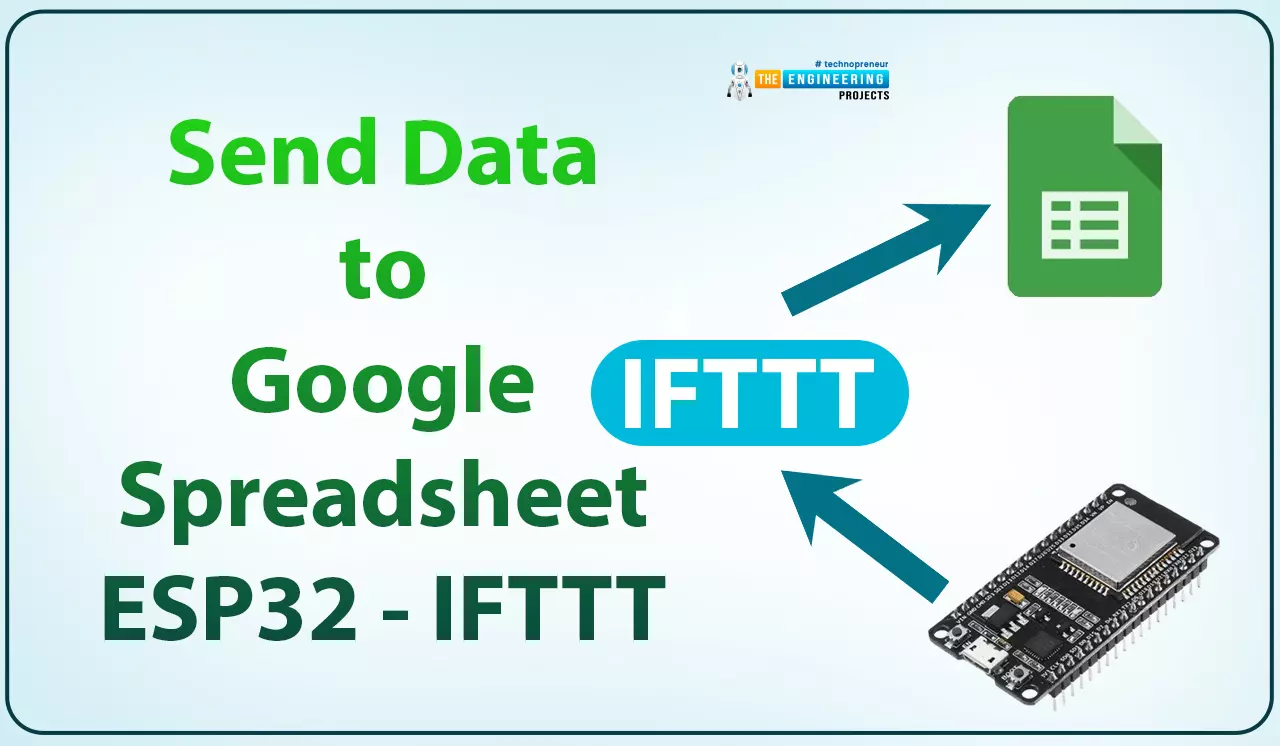
Hello readers, I hope you all are doing great. In our previous tutorial, we learnt how to make HTTP POST from ESP32 to the IFTTT server. In this tutorial, we will learn about another application of the ESP32 module in the field of IoT (Internet of Things). We can publish multiple sensor readings from ESP32 to Google sheets via the IFTTT web service. IFTTT is used as a third-party web service to integrate Google sheets with ESP32. Fig. 1 Creating an IFTTT Account for Integrating ESP32 with Google Sheets We are going to create an applet (on the IFTTT server) that is responsible to integrate the Webhooks and Google Sheets services. While operating with the IFTTT server there are some services/utilities that we are going to deal with like Applets and Webhooks. Before getting started with the p ...
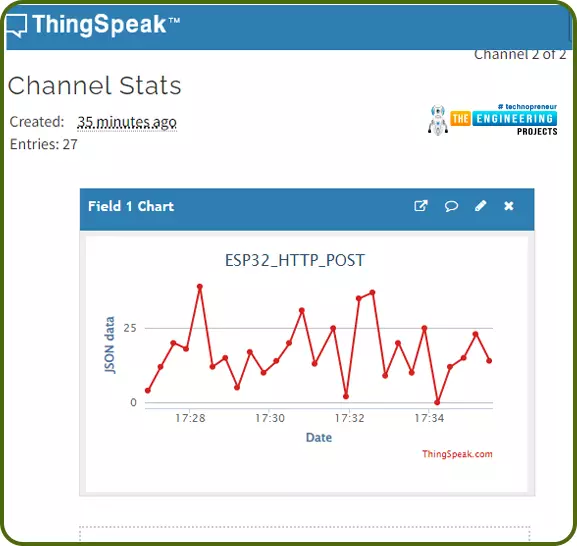
ESP32 is a powerful chip for Internet of Things applications. This tutorial is also based on another ESP32 application in the field of IoT. Hello readers, I hope you all are doing great. In the previous tutorial, we learned how to send sensor readings from ESP32 to the cloud (ThingSpeak webserver). In this tutorial, we will learn to send HTTP POST requests from the ESP32 board to ThingSpeak and IFTTT APIs. What is HTTP? Fig. 1 Hypertext Transfer Protocol HTTP stands for hypertext transfer control and it is a protocol for transferring data between a web client and a web server. Hyper text transfer protocol was invented alongside HTML (Hypertext markup language) to create the first interactive, text-based web browser: the original www or World Wide Web. Server and client communication proces ...
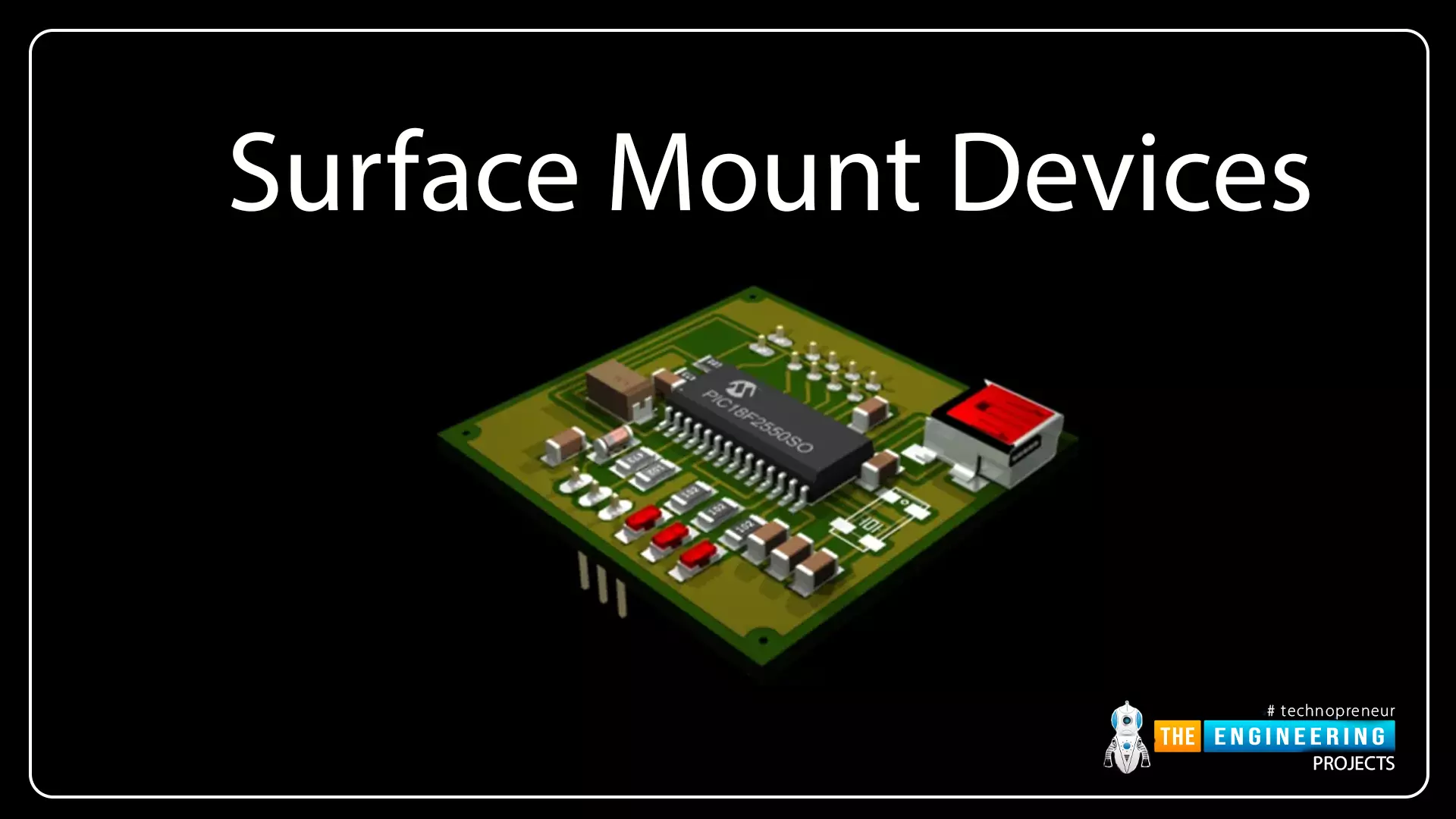
Greetings and welcome to today’s lecture. Today, we are going to focus our discussion on the Surface Mount Technology of PCB components mounting. It's our 8th tutorial in the PCB learning series and is going to be a very interesting and interactive class. In Surface-mount technology, SMT components(having small pads) are placed on the surface of the PCB board and their pads are soldered on the same side of the board. As we discussed in our last lecture on Though-Hole Technology , there are two main methods used to mount components on PCB boards. We studied THT in the last lecture and today, we will focus on Surface Mount Technology (SMT) , we will discuss SMT classifications, types, applications, advantages and disadvantages in detail. In the beginning, a breadboard was used to hold the co ...
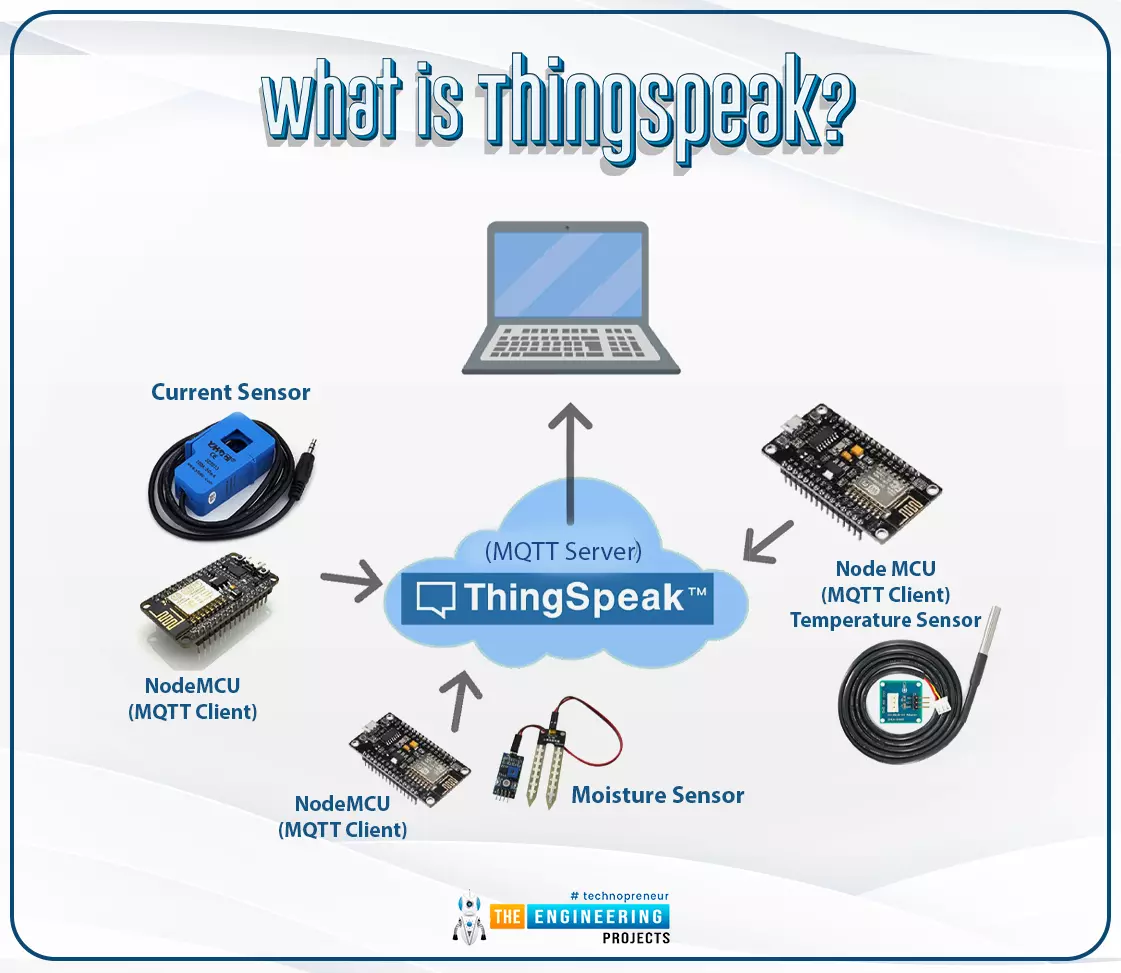
The Internet of Things ( or IoT) is a network of interconnected computing devices such as digital machines, automobiles with built-in sensors, or humans with unique identifiers and the ability to communicate data over a network without human intervention. Hello readers, I hope you all are doing great. In this tutorial, we will learn how to send sensor readings from ESP32 to the ThingSpeak cloud. Here we will use the ESP32’s internal sensor like hall-effect sensor and temperature sensor to observe the data and then will share that data cloud. What is ThingSpeak? Fig. 1: ESP32 ThingSpeak It is an open data platform for IoT (Internet of Things). ThingSpeak is a web service operated by MathWorks where we can send sensor readings/data to the cloud. We can also visualize and act on the data (cal ...
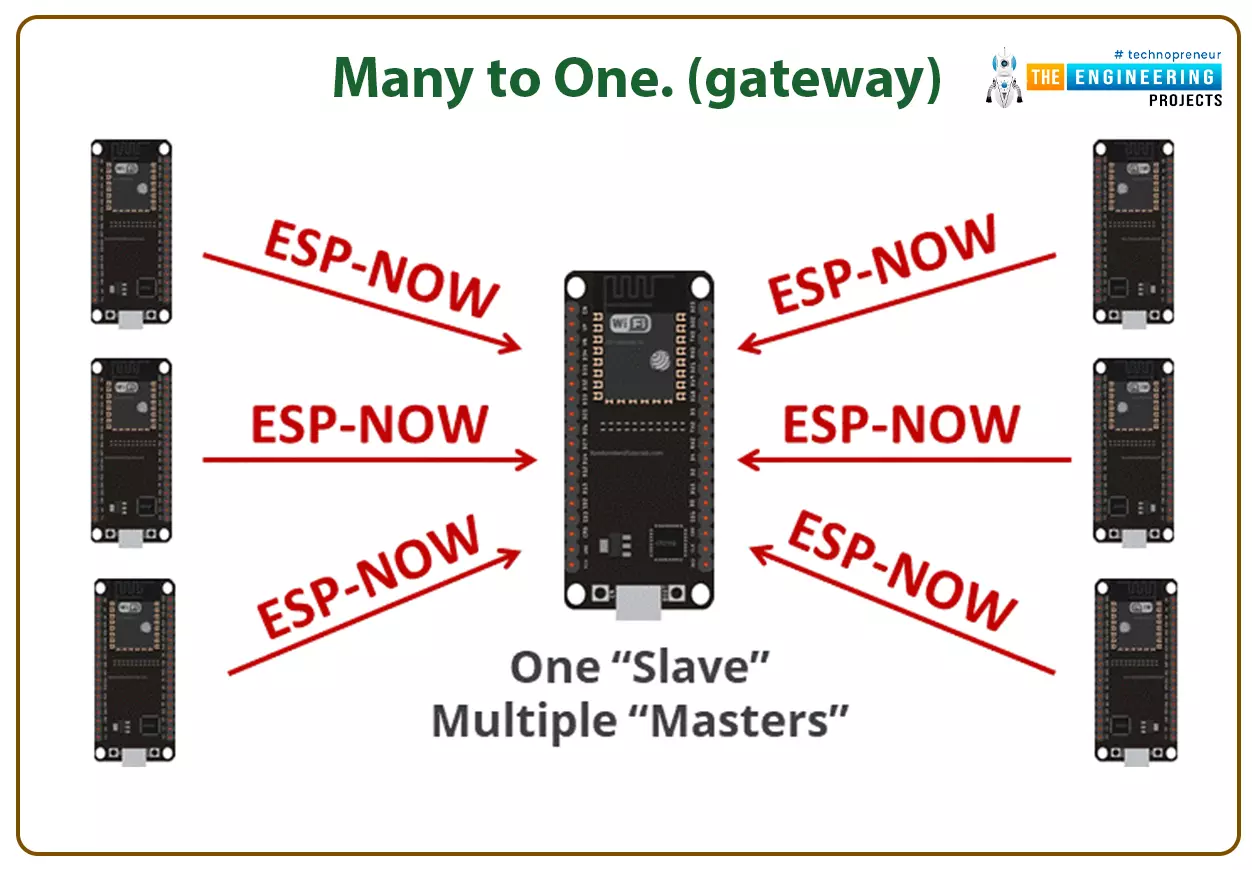
Hello readers, I hope you all are doing great. In this tutorial, we will learn about the ESP-NOW protocol and how to communicate data between two ESP modules through ESP-NOW protocol and that is too without Wi-Fi connectivity. What is ESP-NOW Protocol? Fig. 1: ESP-NOW Protocol ESP–NOW is a connectionless communication protocol that is used for sharing small data packets between two ESP boards. This protocol is developed by Espressif. Features of ESP-NOW Protocol: It is a low-power wireless protocol, which makes two or more ESP devices communicate directly with each other without using Wi-Fi. ESP-NOW protocol does not require a handshake for establishing a connection but, they require pairing and once the devices are paired they can exchange data. ESP-NOW offers a persistent connection betw ...
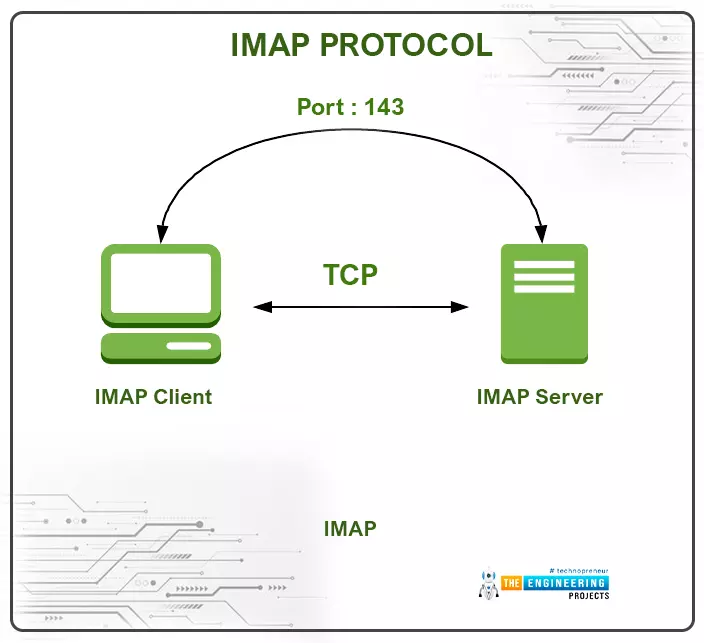
Hello readers, I hope you all are doing great. In our previous tutorial, we learned SMTP server and how to implement an SMTP server for sending emails with ESP32 . In the previous tutorial, we also demonstrated some examples like sharing raw text, HTML text, images and text files. So, at the transmitter end, we are using the SMTP server. But, what about the receiver end? At the receiver end, we use another protocol called IMAP (or Internet Message Access Protocol) and POP3 (Post office Protocol V3) for receiving the emails. Fig. IMAP and SMTP What is IMAP Protocol and How does it Work? IMAP is an application layer (TCP/IP) protocol that is used at the receiver end to receive emails from SMTP server or mail server. IMAP follows the client/server model. Fig. IMAP Protocol Features of IMAP pr ...
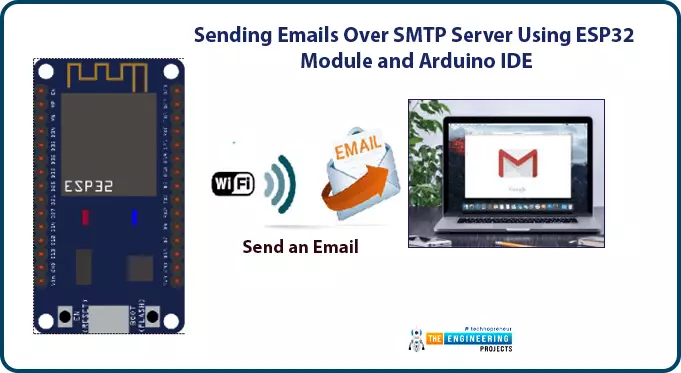
Hello readers, I hope you all are doing great. In this tutorial, we will learn how to send an email using ESP32 module. We will also learn to send text files, images or some sensor readings using the SMTP server using the ESP32 module. In IoT (Internet of things), there are various applications where we need to send emails carrying information like sending some sensor readings, altering emails, images, text files and much more. What is SMTP? SMTP or simple mail transfer protocol is an internet standard for sending and receiving electronic mail (or email) where an SMTP server receives emails from the email client. SMTP is also used for setting communication between servers. Various email providers like Gmail, Hotmail, Yahoo, etc. have unique SMTP addresses and port numbers. How does SMTP wo ...
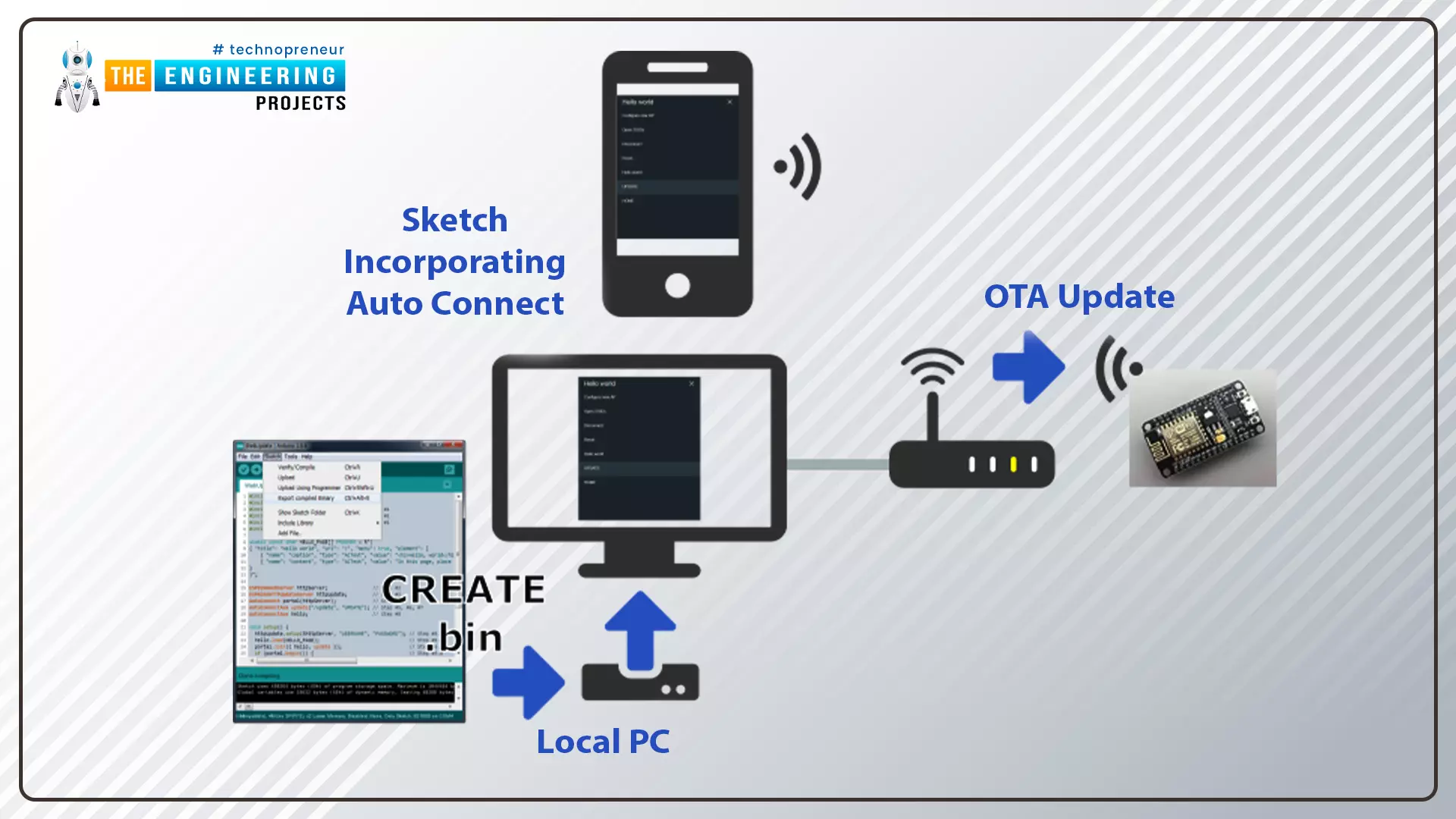
Hello readers, I hope you are all doing great. In this tutorial, we are going to discuss the OTA web updater on the ESP32. We already covered the fundamentals of OTA programming in ESP32 , in our previous tutorial where we used the Arduino IDE to upload OTA code into the ESP32 module using the network port. In the OTA web updater, you need to create a web server page for OTA programming. [caption id="attachment_166886" align="aligncenter" width="1920"] ESP32 OTA web updater[/caption] Fig.1 ESP32 OTA web updater Over the Air Web Updater "Over-the-air" refers to the ability to wirelessly download an application, configuration, or firmware to internet-enabled devices, also known as IoT. (OTA). It functions similarly to our computers, laptops, tablets, and phones. Instead of using a serial por ...
Hello readers, hope you all are doing great. In this tutorial, we are going to discuss a mechanism that allows users to update the ESP32 with a new program wirelessly or over the air (without using a USB cable to upload a new program). Over-The-Air (OTA) programming Fig. 1 ESP32 OTA OTA programming is the mean by which a product manufacturer or product service provider can update the features or functionality of the device wirelessly or over the air, after the device has been deployed in the field where connecting a cable or uploading the code serially is difficult. One key advantage of OTA is that a single central node can send an update to multiple ESPs on the same network. The device must have a provisioning client capable of receiving, processing, and setting parameters in order to rec ...